EU unveils “AccelerateEU” energy plan amid Middle East crisis and global fuel shock
 ΧΡΟΝΟΣ ΑΝΑΓΝΩΣΗΣ 3 '
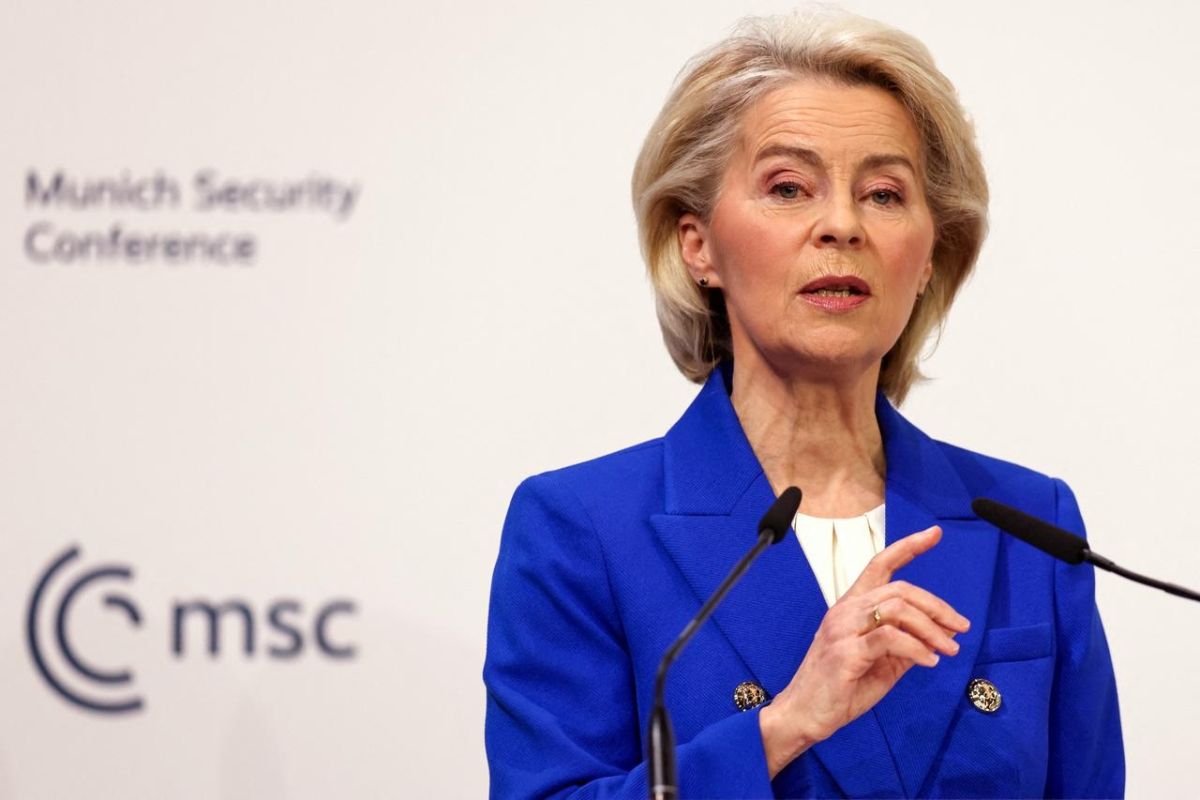
Πηγή Φωτογραφίας: AP Photo//EU unveils “AccelerateEU” energy plan amid Middle East crisis and global fuel shock



The European Commission has presented a new emergency and structural response framework titled “AccelerateEU”, designed to address mounting energy instability triggered by renewed tensions in the Middle East.
The package reflects growing concern in Brussels that geopolitical shocks are once again translating into fuel supply volatility, price pressures, and fragmentation risks across EU energy markets.
At the core of the initiative is a dual strategy: short-term market stabilization and long-term energy independence.
Ursula von der Leyen: “crisis shaping long-term resilience”
European Commission President Ursula von der Leyen emphasized that current policy choices will define Europe’s resilience in future crises.
“The choices we make today will determine our ability to face today’s challenges and tomorrow’s crises.”
She further stressed the strategic shift toward domestic clean energy:
“We must accelerate the transition to homegrown, clean energy sources. This will give us energy independence and security, and better resilience to geopolitical shocks.”
Core measures under “AccelerateEU”
The Commission’s proposal includes several coordinated interventions across the energy supply chain:
- Optimization of aviation fuel distribution across EU member states to prevent localized shortages
- Review of oil stockpile legislation, including higher mandatory reserves for aviation fuel
- Mapping and maximizing EU refining capacity to improve supply efficiency
- Coordinated natural gas purchasing to prevent simultaneous buying spikes that drive up prices
- Tax reform proposals to ensure electricity is taxed at lower levels than natural gas
These measures aim to reduce market fragmentation and strengthen collective bargaining power within the EU energy system.
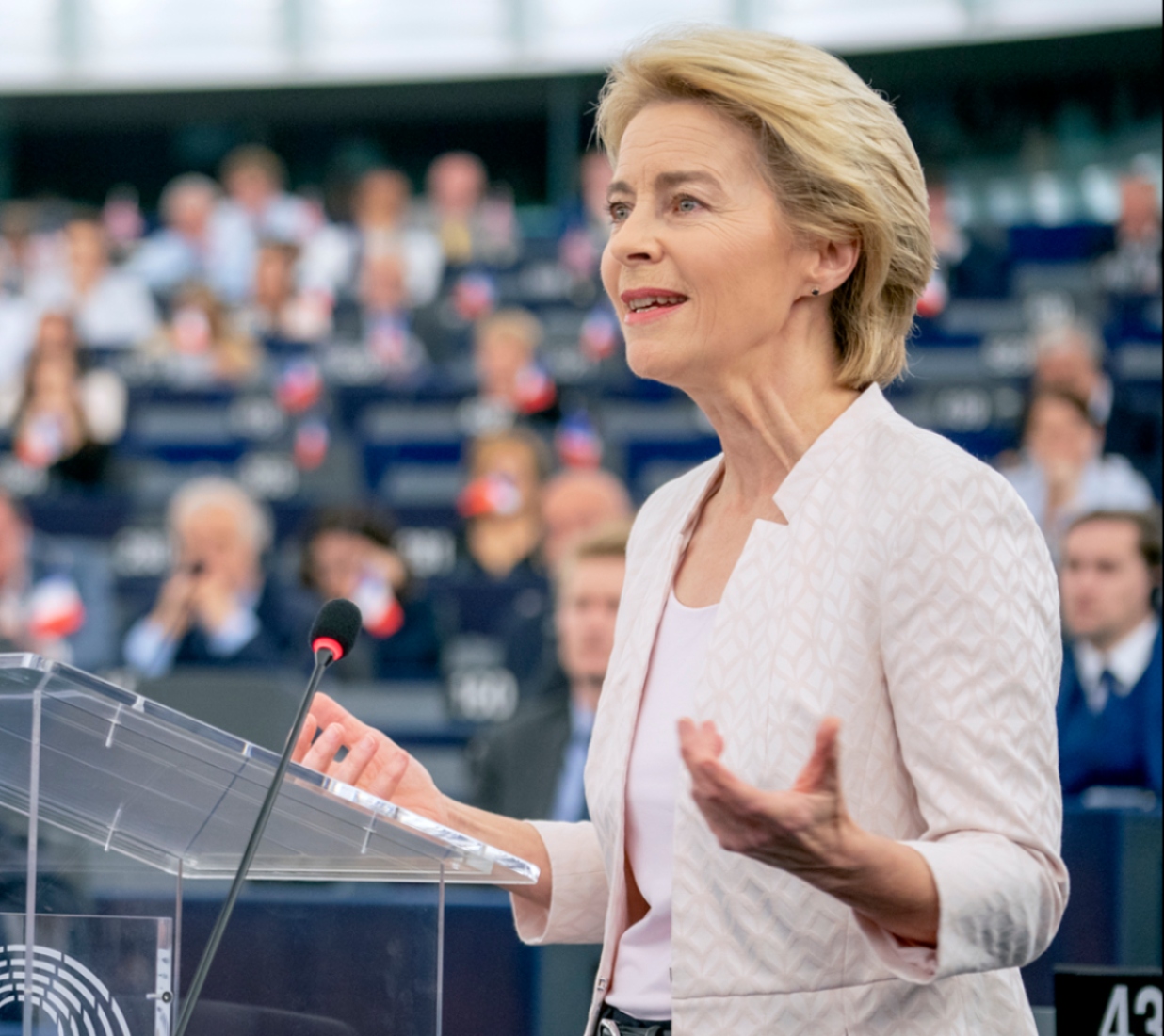
Strategic interpretation: beyond crisis management
Energy analysts view the package as both crisis response and structural redesign of the EU energy architecture.
Three key geopolitical dimensions stand out:
1. Supply chain resilience The EU is attempting to reduce vulnerability to sudden disruptions in global oil and gas flows.
2. Market coordination vs. national competition By coordinating gas procurement, Brussels seeks to prevent member states from competing against each other in tight markets.
3. Energy transition acceleration The push for lower electricity taxation and clean energy investment reflects a strategic effort to permanently reduce fossil fuel dependency.
Market and geopolitical pressure point
The timing of the initiative reflects increasing pressure from:
- instability in the Middle East affecting oil shipping routes
- global LNG competition tightening gas markets
- internal EU price disparities and storage concerns
- ongoing transition risks in energy-intensive industries
Experts warn that without coordination, fragmented purchasing behavior could amplify price volatility across Europe.
Policy direction: independence through electrification
A central pillar of the strategy is the shift from fossil-based systems toward electrification and renewables, framed as both an economic and security imperative.
The Commission argues that reducing dependence on imported fossil fuels will:
- increase energy sovereignty
- reduce exposure to geopolitical shocks
- stabilize long-term consumer pricing structures
Source: pagenews.gr
Διαβάστε όλες τις τελευταίες Ειδήσεις από την Ελλάδα και τον Κόσμο