Trump’s NATO “Blacklist”: Which Allies Are In — and Which Are Out
 ΧΡΟΝΟΣ ΑΝΑΓΝΩΣΗΣ 3 '
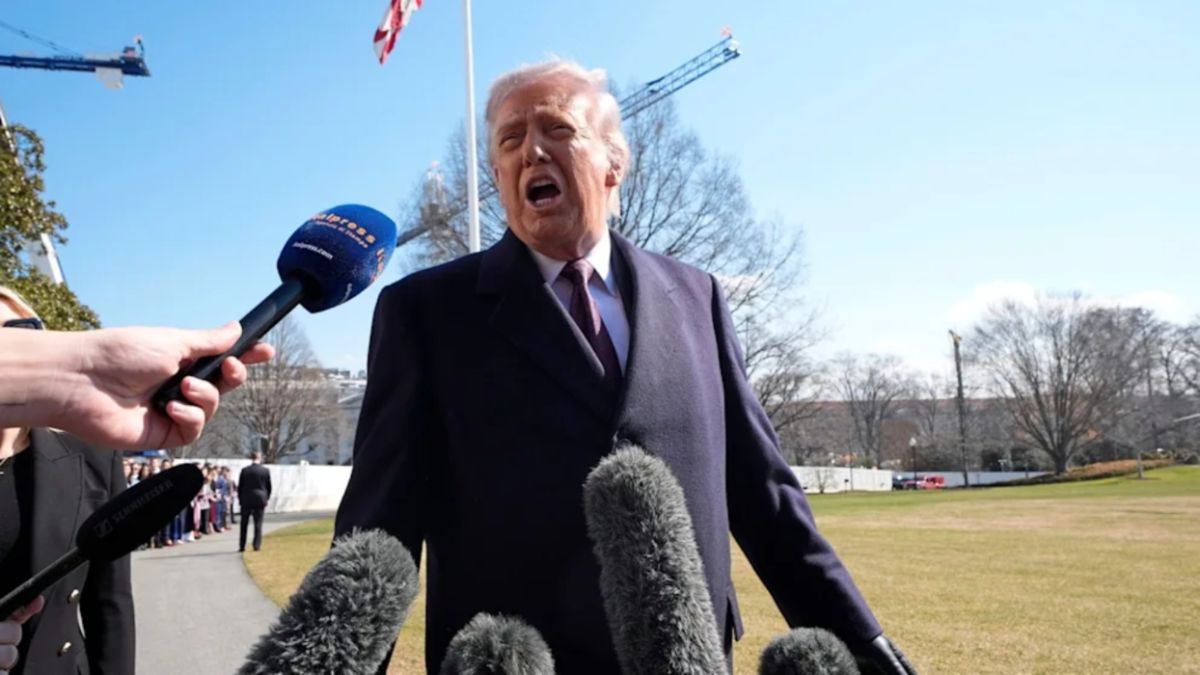
Πηγή Φωτογραφίας: AP Photo//Trump’s NATO “Blacklist”: Which Allies Are In — and Which Are Out



A new fault line is emerging داخل the NATO as the administration of Donald Trump reportedly drafts an informal “scorecard” ranking allies as “good” or “bad” based on their military and political alignment with Washington.
Washington’s plan
According to reporting by Politico, U.S. officials had already prepared a preliminary list ahead of NATO Secretary General Mark Rutte’s recent visit to Washington.
Core idea:
- Evaluate each member’s contribution
- Sort allies into compliance-based categories
- Explore potential rewards or punitive measures
The initiative is closely tied to how countries responded to U.S. military operations linked to the conflict with Iran.
The “good allies”
The framework echoes earlier remarks by Defense Secretary Pete Hegseth:
“Exemplary allies who step up […] will receive preferential treatment.”
Countries seen as aligned with U.S. priorities reportedly include:
- Poland
- Romania
- Baltic states
- Germany (increasingly engaged)
Partners such as Israel and South Korea were also cited as models of burden-sharing.
Romania and Poland, in particular, are seen as beneficiaries due to their willingness to support U.S. logistics and provide access to military bases.
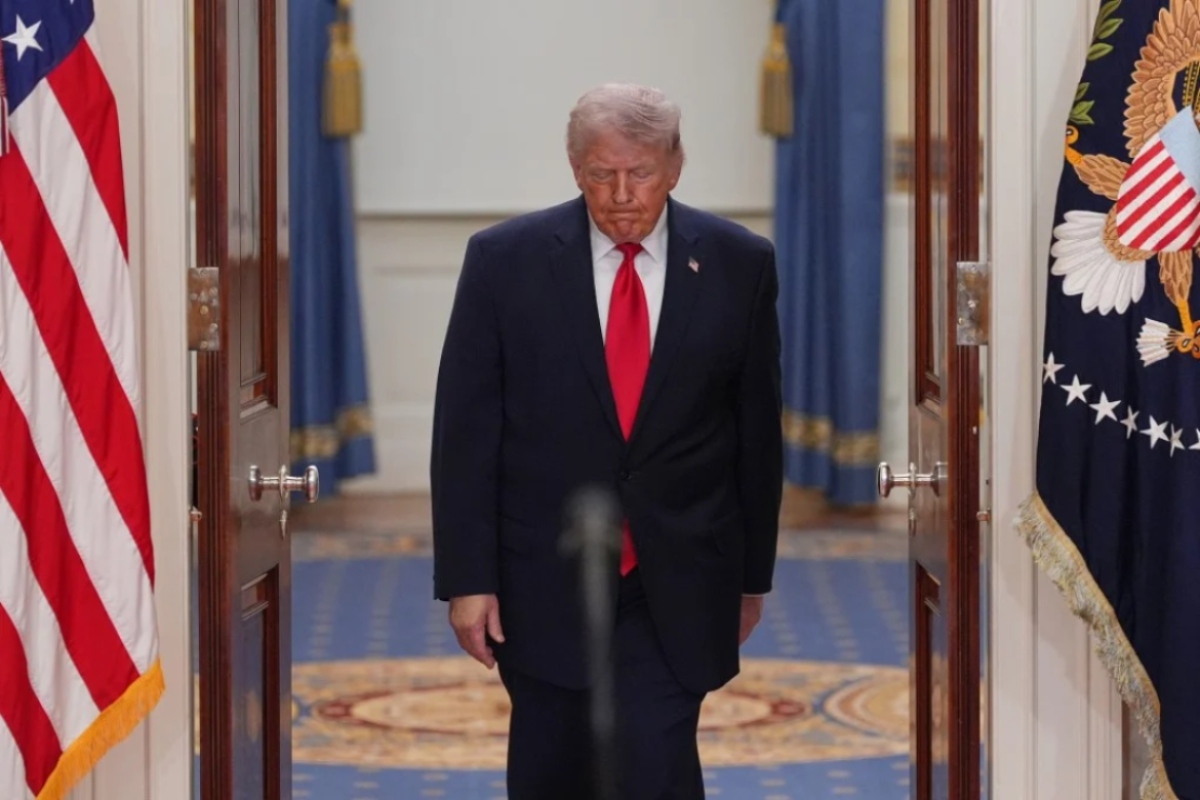
The “bad” — and the gray zone
On the other side are allies that:
- Delayed or declined support
- Took a more cautious approach to U.S. operations
Among those mentioned:
- Spain
- United Kingdom
- France
Still, officials stress that classifications remain fluid and largely undisclosed.
Possible pressure tools
Details remain unclear, but diplomatic sources point to several संभाव scenarios:
- Redeployment of U.S. troops
- Adjustments in security commitments
- Preferential defense cooperation or procurement deals
“They don’t seem to have very concrete ideas on punishment,” one European official noted—suggesting the list may function more as leverage than policy.
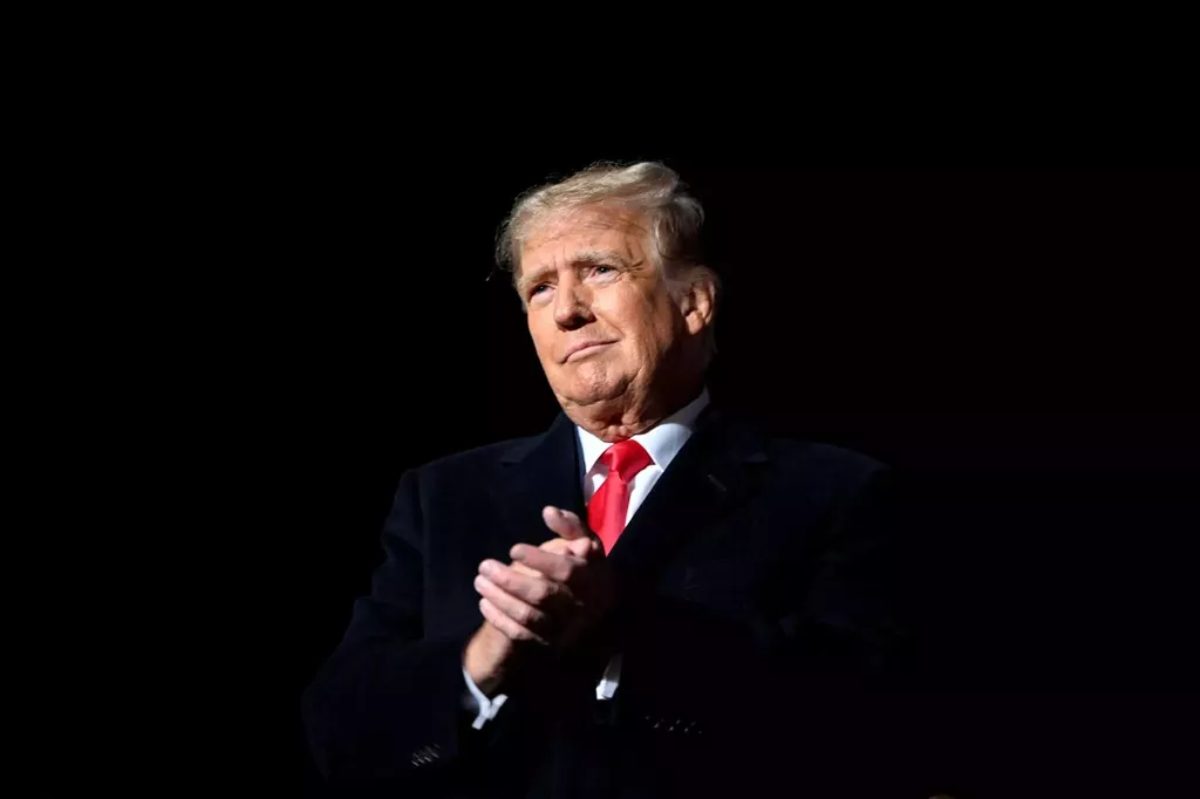
Geopolitical reading
The move reflects a broader shift in Trump’s strategic doctrine:
- Alliances defined by transactional value
- Increased pressure for defense spending and compliance
- Willingness to challenge long-standing security guarantees
It also adds to existing tensions driven by:
- Past threats of U.S. withdrawal from NATO
- Disputes over European strategic autonomy
- Controversial geopolitical proposals
Analysis: fracture or recalibration?
This “blacklist” signals more than internal friction—it marks a potential تحول in alliance logic:
- From collective defense → to conditional partnership
- From predictability → to negotiated loyalty
Risks include:
- Erosion of trust داخل NATO
- Acceleration of EU defense independence
Yet it could also act as a catalyst:
- For higher military contributions
- For clearer burden-sharing expectations
Trump’s reported initiative underscores a pivotal transition:
- Alliances are no longer treated as unconditional
- NATO’s internal balance is being renegotiated
- Europe faces increasing pressure to define its strategic role
The key question now is whether NATO can absorb this pressure—or whether it is entering a phase of deeper transformation.
Source: pagenews.gr
Διαβάστε όλες τις τελευταίες Ειδήσεις από την Ελλάδα και τον Κόσμο