The Vertical Natural Gas Corridor is entering —no longer political, but purely market-driven—phase. Despite declared support from the European Union and Balkan governments, market reality is proving harsher—and far less willing to “buy” the narrative.
So far, market tests have effectively failed, confirming that the project, in its current form, lacks commercial appeal. The question is no longer whether the Corridor is needed, but whether it can exist under viable terms.
The market speaks — and demands a model shift
The upcoming July auction is shaping up as a decisive stress test. It will reveal whether political leadership has understood the signal—or continues to invest in a narrative without commercial backing.
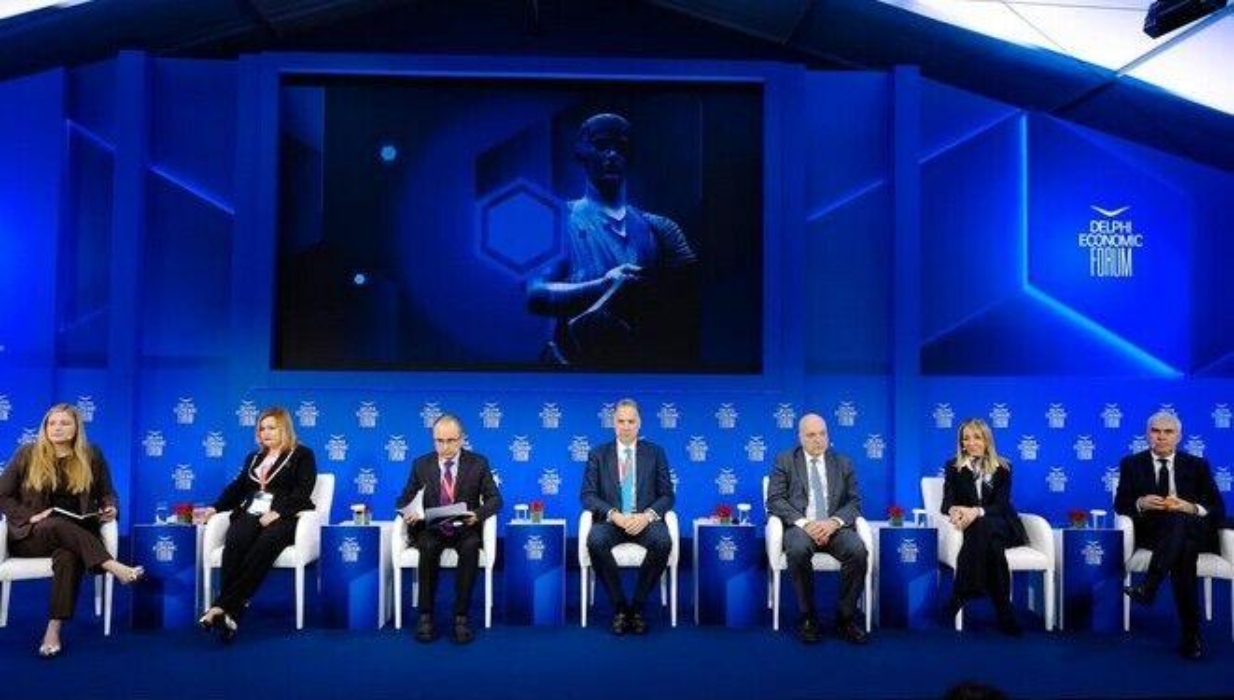
Pressure is already mounting. Bulgaria, through Deputy Energy Minister Teodora Georgieva, is calling for an ad hoc support mechanism—essentially subsidies to make the project attractive. This amounts to a clear admission: without institutional intervention, the project does not stand on its own.

From energy security to economic viability
Romania, represented by Cristian Silviu Bușoi, is attempting to balance three pillars: decarbonization, security, and competitiveness.
Yet the message is more realistic than ever: the energy transition cannot ignore the market.
Natural gas—despite political pressure—remains critical, while nuclear energy is re-emerging as a key pillar.
Greece: Hub or risk?
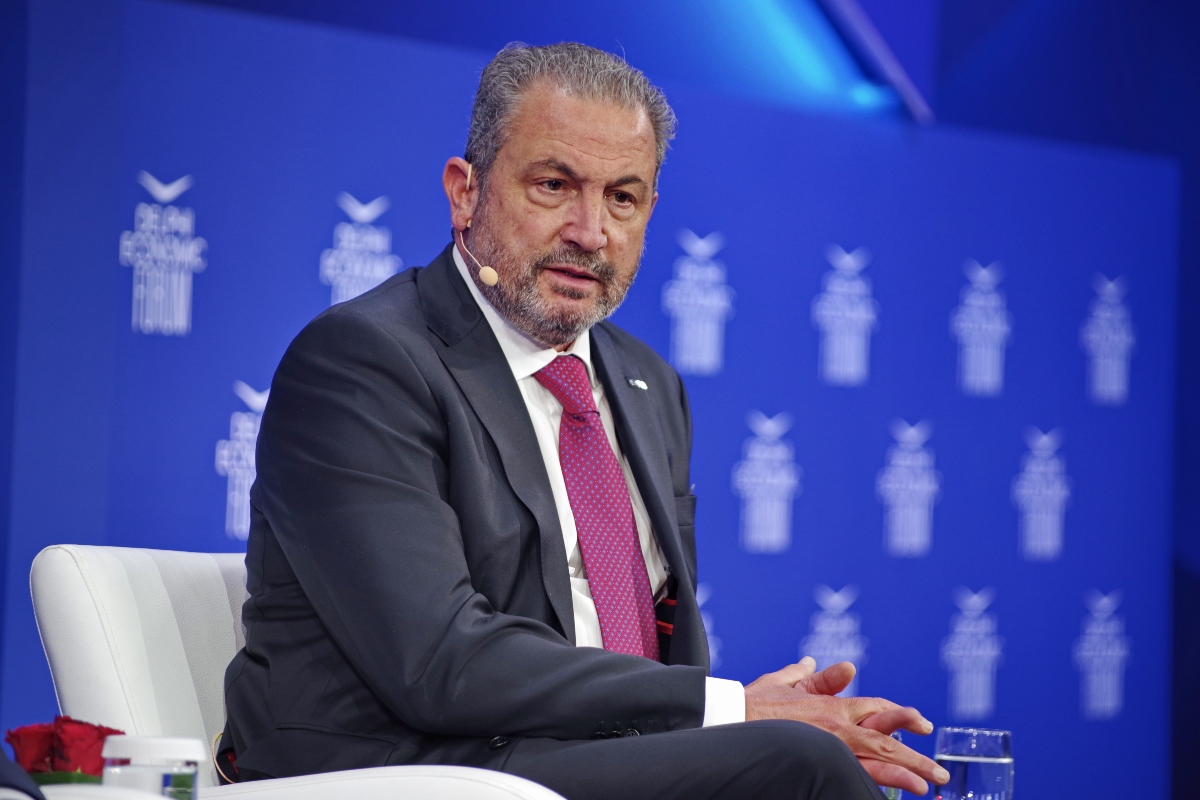
Greece aims to become a major energy gateway, leveraging LNG infrastructure and interconnections toward the Balkans. Georgios Alexopoulos of HELLENiQ ENERGY highlighted the importance of source diversification, especially in a Europe that remains structurally energy-dependent.
At the same time, Konstantinos Sifnaios of Gastrade insists that without new FSRU infrastructure and tangible EU backing, the Corridor risks remaining on paper.
The “Exarchou model”: From option… to necessity
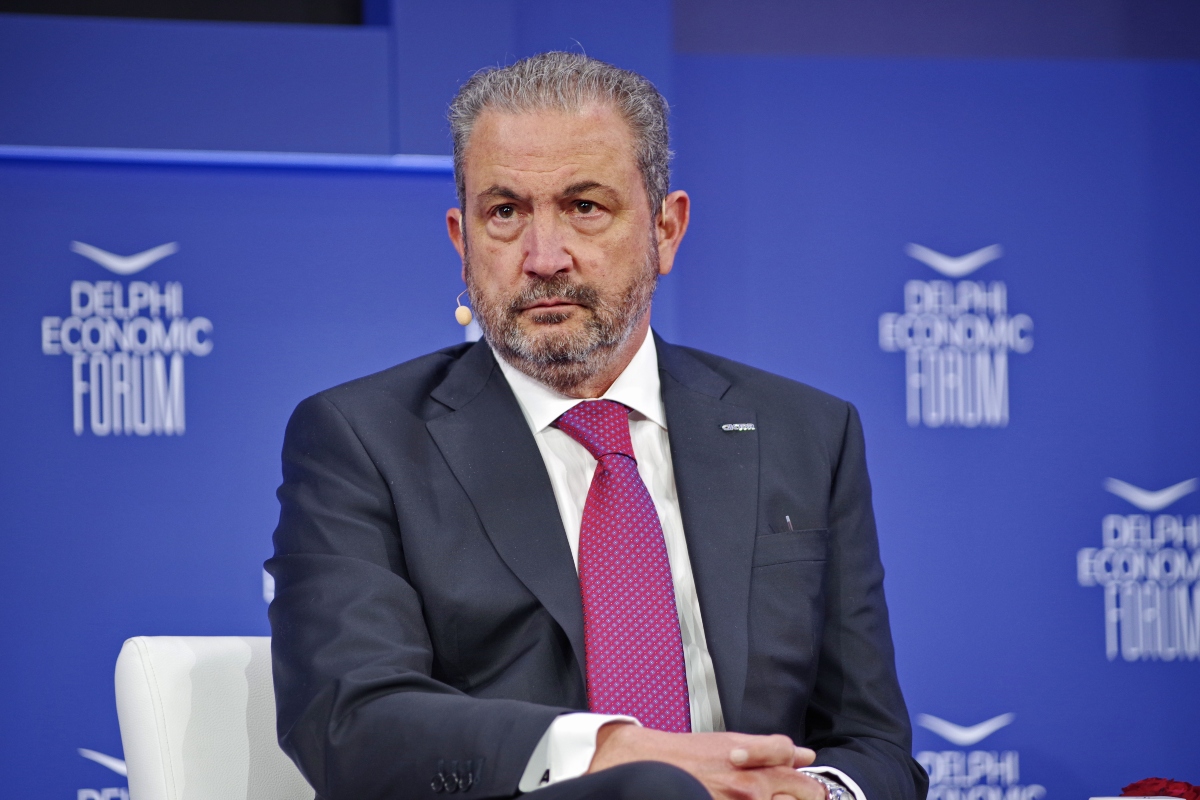
In this context, the proposal by Alexandros Exarchou gains particular weight—not as an alternative, but as a realistic pathway forward.
His model is based on a simple but uncompromising principle:if a project cannot stand in the market, it should not be artificially sustained.
Why it works:
- Aligned with demand Instead of pushing unwanted infrastructure, it invests where real need and commercial interest exist.
- Avoids subsidies At a time of fiscal pressure, minimizing public funding reduces risk for both economies and taxpayers.
- Boosts competitiveness A project that survives without subsidies is inherently more resilient and competitive.
- Attracts serious capital Large-scale investments follow clear returns—not political signaling.
- Builds a real LNG market It replaces administratively constructed flows with a system driven by supply and demand.
Changing the rules of the game
This model shifts the center of gravity:
From governments → to investors From subsidies → to returns From theory → to execution
And perhaps its greatest strength is this: it imposes discipline on an energy system long shaped by political expectations.
The unavoidable reality
The Vertical Corridor is facing a hard truth: markets are not convinced by declarations—they are convinced by numbers.
Within this framework, the Exarchou model is not merely a “liberal” approach. It is now the only strategy that answers the defining question of our time:
How do you build energy infrastructure that stands without artificial support?
If Europe chooses to ignore this signal, it will likely continue funding projects that fail to deliver. If it embraces it, however, the Vertical Corridor—or whatever replaces it—may finally gain what it currently lacks:true sustainability.
Source: pagenews.gr