IMF BLASTS EU: Energy Aid “Misses the Target” as Billions Go to Waste
 ΧΡΟΝΟΣ ΑΝΑΓΝΩΣΗΣ 4 '
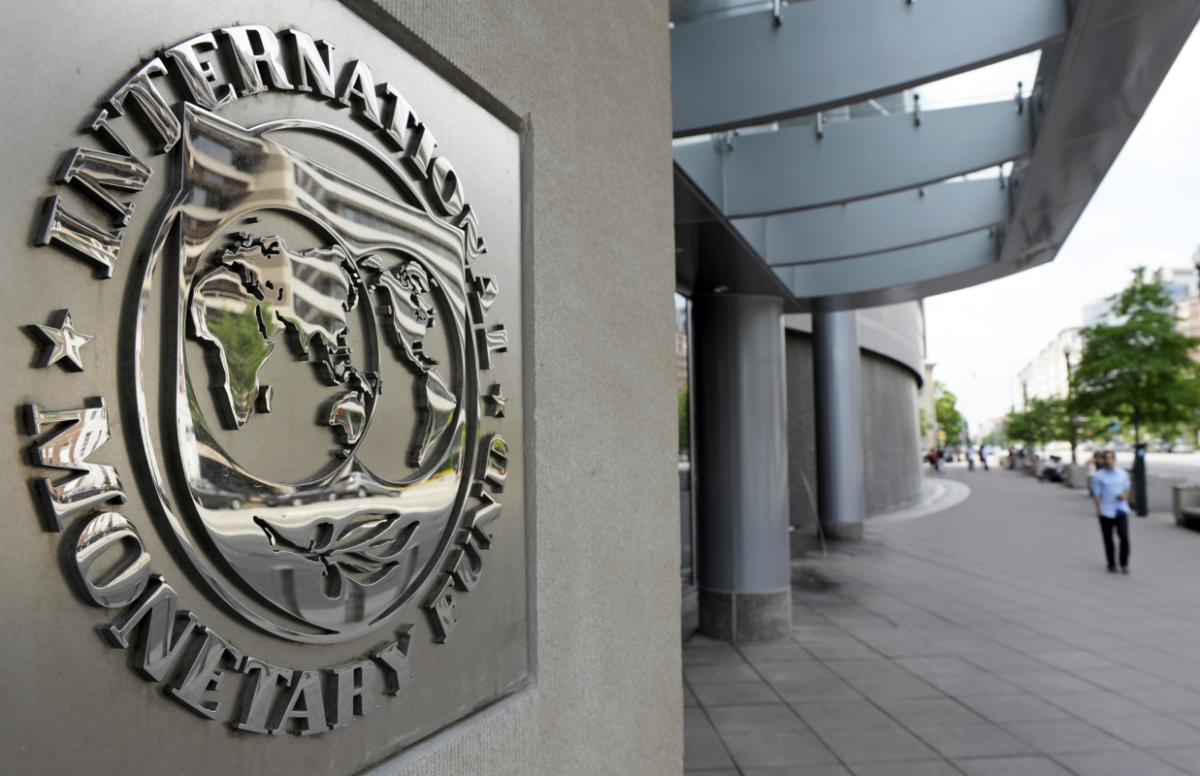
Πηγή Φωτογραφίας: AP Photo//IMF BLASTS EU: Energy Aid “Misses the Target” as Billions Go to Waste



The International Monetary Fund has issued a sharp warning to European governments, arguing that the majority of energy support measures introduced across the EU are poorly targeted, fiscally costly, and economically inefficient.
At a time when energy markets remain volatile and public finances fragile, the IMF’s assessment raises serious concerns: Europe may be repeating the same policy mistakes made during the 2022 energy shock.
TWO-THIRDS OF SUPPORT “MISDIRECTED”
According to the IMF, nearly two-thirds of energy-related subsidies and tax cuts across the EU are broad-based, rather than focused on vulnerable households and businesses.
This means that:
- High-income consumers often benefit unnecessarily
- Fiscal resources are spread too thinly
- Governments lose efficiency in crisis response
“It is clear that lessons from 2022 are not being fully taken into account,” warned Alfred Kammer, the IMF’s Director for Europe.
A COSTLY STRATEGY WITH LIMITED IMPACT
The Fund highlights that horizontal measures—such as fuel tax cuts and price caps—are among the most expensive tools, while offering limited precision.
Examples across Europe include:
- Temporary fuel tax reductions in major economies
- VAT cuts on energy bills
- Broad subsidies covering entire populations
While politically appealing, these measures risk becoming fiscal traps, especially if the energy crisis proves more persistent than expected.
MARKETS ON EDGE
The IMF also points to rising concerns in financial markets. Borrowing costs for several eurozone countries have climbed to multi-year highs, reflecting investor anxiety over:
- Expanding public spending
- Energy-driven fiscal pressures
- Weak medium-term consolidation plans
Countries with already high debt levels face the greatest risk of market backlash, particularly if spending continues without offsetting measures.
LIMITED FISCAL SPACE, GROWING RISKS
The warning is especially stark for heavily indebted economies, where fiscal room is already constrained following:
- Pandemic-era support measures
- The initial energy crisis after Russia’s invasion of Ukraine
The IMF estimates that EU governments have already spent around 2.5% of GDP on energy-related interventions since 2022. Even if current measures appear limited, the cost could escalate rapidly if supply disruptions persist.
DISTORTING THE ENERGY MARKET
Beyond fiscal concerns, the IMF warns that many policies are undermining core market signals.
Measures such as:
- Price caps
- Broad tax reductions
can artificially suppress prices, leading to:
- Sustained high demand despite limited supply
- Delayed transition to alternative energy sources
- Weakened incentives for energy efficiency
More than 90% of EU countries have adopted at least one such price-distorting measure during the current crisis.
THE POLICY DILEMMA
European governments now face a difficult balancing act:
Protect households and businesses without undermining fiscal stability or market dynamics.
The IMF’s recommendation is clear:
- Shift toward targeted, temporary, and fiscally sustainable measures
- Prioritize support for the most vulnerable
- Preserve incentives for energy transition

A CRITICAL TURNING POINT
As geopolitical tensions continue to pressure global energy supplies, the effectiveness of Europe’s policy response is under scrutiny.
The real risk is not just the cost—but the entrenchment of inefficient policies that are difficult to reverse.
If governments fail to adjust course, Europe could find itself locked into expensive support schemes, with long-term consequences for both public finances and the energy transition.
The message from the IMF is blunt:better targeting is no longer optional—it is essential.
Source: pagenews.gr
Διαβάστε όλες τις τελευταίες Ειδήσεις από την Ελλάδα και τον Κόσμο