The decision by the Organization of the Petroleum Exporting Countries to lose one of its most influential members marks a turning point in global energy politics. The United Arab Emirates has announced it will leave OPEC, pursuing what officials describe as an “accelerated” production strategy—effectively prioritizing national capacity over collective restraint.
The move, expected to take effect in May 2026, ends decades of alignment with a cartel historically dominated by Saudi Arabia and signals a broader shift toward energy nationalism.
Strategic autonomy over cartel discipline
At the heart of Abu Dhabi’s decision lies a simple calculation: OPEC quotas no longer serve its long-term interests. The UAE has invested heavily in expanding its production capacity and now seeks to monetize those investments without restriction.
“The decision reflects a sovereign strategy focused on growth and flexibility,” said Energy Minister Suhail al-Mazrouei in remarks cited by international media.
Rather than coordinating supply cuts, the UAE is positioning itself to increase output in anticipation of sustained global demand—particularly from Asia.

War, Hormuz, and market volatility
The timing is no coincidence. The ongoing confrontation involving Iran and instability around the Strait of Hormuz have heightened concerns about supply disruptions.
Roughly one-fifth of the world’s oil passes through this narrow maritime corridor. Any threat to its security translates immediately into price volatility and geopolitical leverage.
By exiting OPEC, the UAE gains the flexibility to respond quickly to such disruptions—either by increasing supply or redirecting exports.
A blow to OPEC cohesion
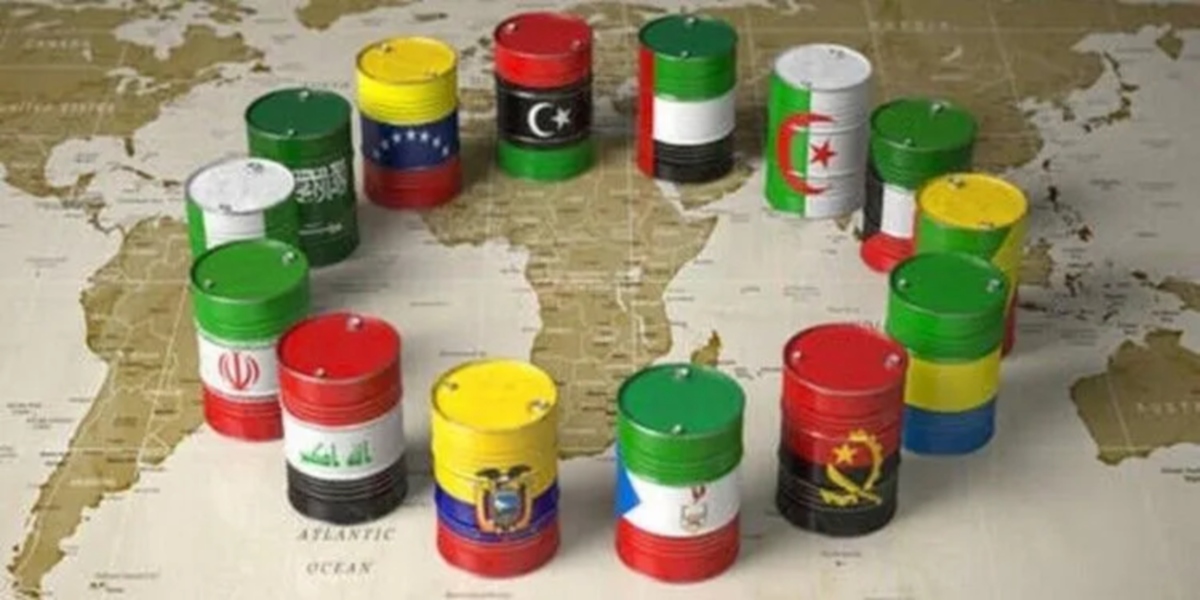
The departure represents more than a symbolic loss. As one of the cartel’s top producers, the UAE contributed significantly to OPEC’s spare capacity—the very mechanism that allowed it to stabilize markets.
Without it, OPEC’s ability to coordinate supply becomes weaker, while internal divisions are likely to deepen. Analysts warn that this could embolden other members to reconsider their commitments, especially those frustrated by production limits.
Shifting alliances and global strategy
The move also reflects a subtle geopolitical recalibration. The UAE has strengthened ties with Western partners, particularly the United States, while pursuing a more independent foreign policy.
At the same time, it is hedging against regional instability and the unpredictability of global alliances. In an era where energy security and geopolitics are increasingly intertwined, flexibility is power.

What comes next for oil markets
In the short term, markets may absorb the shock due to already tight supply conditions. However, the long-term implications are significant:
- increased production competition
- reduced effectiveness of coordinated supply controls
- greater price volatility
The global oil system may be entering a phase where decentralized decision-making replaces cartel discipline.
The UAE’s exit from OPEC is not just an energy story—it is a geopolitical statement. It reflects a world in which national interests outweigh collective frameworks, and where control over energy translates directly into strategic influence.
Whether this marks the gradual erosion of OPEC or simply its transformation remains to be seen. What is clear is that the rules of the oil game are changing—and fast.
Source: pagenews.gr