EIB unlocks Cyprus–Greece energy link: GSI shifts Eastern Mediterranean power map
 ΧΡΟΝΟΣ ΑΝΑΓΝΩΣΗΣ 3 '
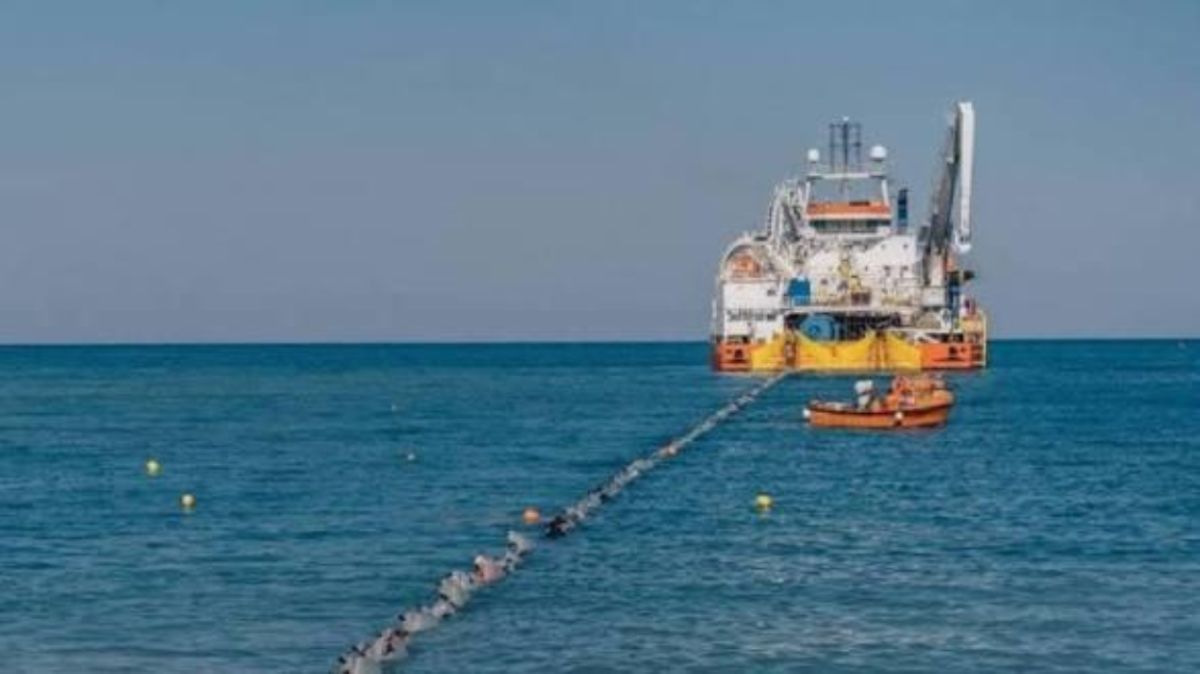
Πηγή Φωτογραφίας: eurokinissi// EIB unlocks Cyprus–Greece energy link: GSI shifts Eastern Mediterranean power map



A critical turning point is emerging for the long-delayed Great Sea Interconnector (GSI), as approval and involvement from the European Investment Bank (EIB) appears set to unlock Cyprus’ participation and revive the project.
Athens and Nicosia have formally moved to secure EIB backing, underlining the interconnector’s strategic importance not only for energy—but for geopolitics, sovereignty, and European integration.
Why the EIB changes everything
The joint letter sent by Greece and Cyprus to the EIB highlights a decisive shift:
- The project is now embedded in both countries’ National Energy and Climate Plans
- Updated financial and technical data have been submitted after due diligence
- The EIB is expected to play a dual role:
- financing provider
- technical evaluator of market impact
This effectively de-risks the project, addressing one of the main reasons Cyprus had hesitated: financial uncertainty.
Ending Cyprus’ energy isolation
The GSI is not just another infrastructure project. It is:
- The only approved electricity link connecting Cyprus to the European grid
- A system capable of transmitting up to 2 GW of power between Europe and the Eastern Mediterranean
Cyprus remains the last energy-isolated EU member state, making the project strategically essential.
Once completed, it will:
- integrate Cyprus into the EU energy market
- enable renewable energy flows
- reduce dependence on imported fuels
The geopolitical dimension: energy = sovereignty
The project sits at the intersection of energy and geopolitics.
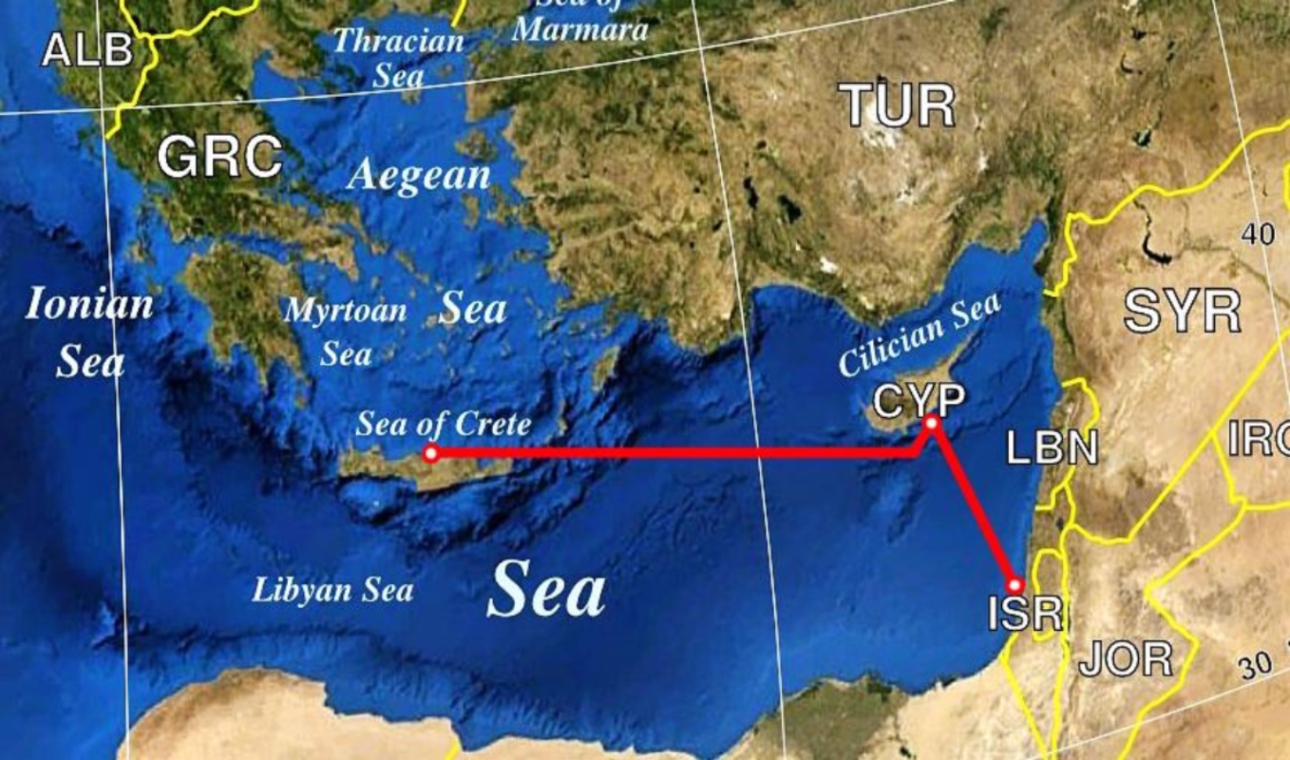
- It links Greece, Cyprus, and Israel
- It is designated as an EU Project of Common Interest (PCI)
- It functions as an energy corridor between Europe and the Eastern Mediterranean
In strategic terms, GSI transforms:
- Greece into a regional energy hub
- Cyprus into a bridge between EU and Middle East
The Turkish factor: persistent risk
Despite technical and financial progress, geopolitical tensions remain a major obstacle.
Recent developments confirm that:
- Turkey maintains a hardline stance in the Eastern Mediterranean
- It has previously interfered with offshore activities linked to energy infrastructure
This introduces a critical variable:even if financing is secured, implementation will depend on geopolitical stability.
Technology breakthrough removes a key barrier
One of the project’s biggest challenges—deep-sea feasibility—has been addressed.
- Tests confirmed the cable can operate at depths of 3,000 meters
This removes a long-standing technical doubt and strengthens the case for final investment decisions.
Strategic implications for Europe
The revival of GSI reflects a broader European shift:
- Toward energy independence and diversification
- Away from fragmented national systems
- Toward integrated infrastructure backed by EU institutions
The EIB’s involvement is crucial because:
- it aligns financing with EU strategic priorities
- it signals political backing at the highest level
The EIB’s expected approval is more than a financial milestone—it is a geopolitical catalyst.
- It unlocks Cyprus’ participation
- It accelerates a flagship EU energy project
- It reinforces Europe’s strategic footprint in the Eastern Mediterranean
The Great Sea Interconnector is no longer just an energy cable.It is a test case for Europe’s ability to project power through infrastructure.
Source: pagenews.gr
Διαβάστε όλες τις τελευταίες Ειδήσεις από την Ελλάδα και τον Κόσμο