A departure long in the making
The decision by the United Arab Emirates to leave OPEC may have looked sudden—but it was anything but.
This type of institutional exit is rarely about timing. It reflects a deeper shift already decided behind closed doors.“The resignation letter is just the final formality.”
For Abu Dhabi, OPEC had become the last remaining structure limiting its long-term strategic flexibility.
The doctrine: strategic autonomy
At the core of the move lies a defining principle of Emirati policy: strategic autonomy.
Anwar Gargash articulated it clearly:“Strategic autonomy remains the UAE’s enduring choice.”
Over the past decade, the UAE has consistently:
- diversified alliances
- pursued independent foreign policy decisions
- invested in non-oil sectors
OPEC increasingly conflicted with that doctrine.

It was never really about oil
Despite the headlines, the UAE’s exit is not about reducing oil relevance.
In fact:
- Production capacity remains strong
- Export ambitions continue
- Market presence is unchanged
What changes is control:
- no quotas
- no collective constraints
- full flexibility in output decisions
A shift in global energy order
1. OPEC’s cohesion weakens The loss of a technologically advanced, forward-looking member signals internal strain.
2. Rise of sovereign energy strategies Countries are prioritizing national interest over coordinated supply management.
3. Flexible alignment The UAE gains room to maneuver between Western and Eastern energy partnerships.
Beyond oil: the UAE’s future model
Abu Dhabi is already positioning itself for a post-oil era:
- renewable energy leadership
- hydrogen investments
- AI and digital infrastructure
- global logistics hubs
Leaving OPEC aligns with this transformation.
Oil becomes one pillar—not the system’s foundation.
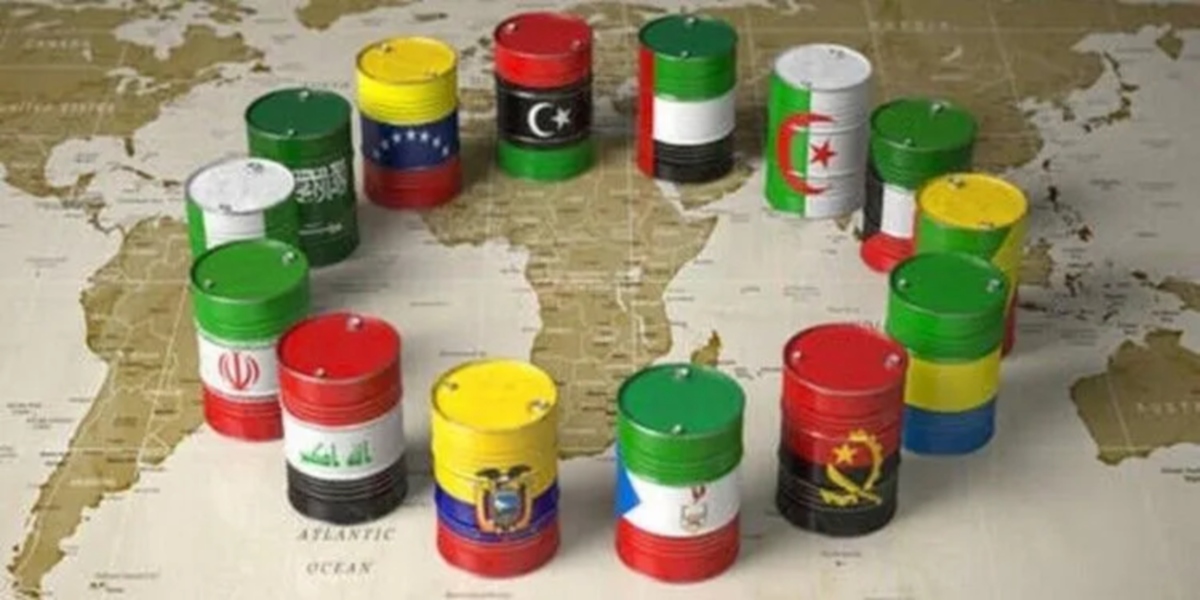

Risks and uncertainties
Market volatility Less coordination may increase oil price swings.
Producer tensions Remaining OPEC members could react competitively.
Geopolitical balancing Autonomy requires careful navigation among major powers.
A new energy doctrine
From cartel to flexibility Rigid production blocs are giving way to agile national strategies.
Energy sovereignty Control over output becomes a geopolitical asset.
Hybrid energy identity Oil + renewables + technology define future power.
A precedent for others? The UAE’s move may inspire similar exits or looser alignments.
The UAE’s departure from OPEC is not an energy story—it’s a geopolitical signal.

It reflects a world where:
- institutions matter less than state strategy
- energy is a tool of power, not just revenue
- autonomy outweighs coordination
Abu Dhabi is not stepping away from oil.It is stepping into a more flexible—and potentially more influential—global role.
Source: pagenews.gr