Legal Loophole or Constitutional Strain? Pentagon ‘Freezes’ War Powers Clock on Iran
 ΧΡΟΝΟΣ ΑΝΑΓΝΩΣΗΣ 3 '
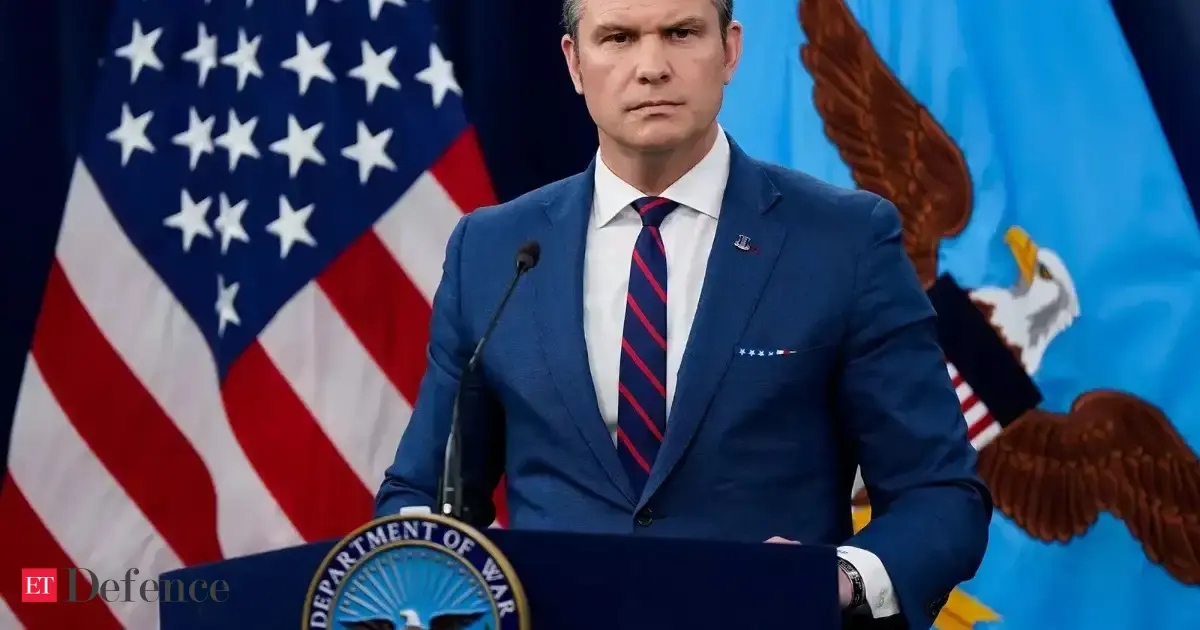
Πηγή Φωτογραφίας: AP Photo//Legal Loophole or Constitutional Strain? Pentagon ‘Freezes’ War Powers Clock on Iran



The core issue: a disputed 60-day deadline
The administration of Donald Trump is facing mounting pressure from Congress over how it interprets the 60-day limit under the War Powers Resolution, which requires a president to seek authorization or end military operations.
The deadline—widely calculated to fall around May 1, 2026—stems from the initial notification to Congress following early March strikes on Iran.
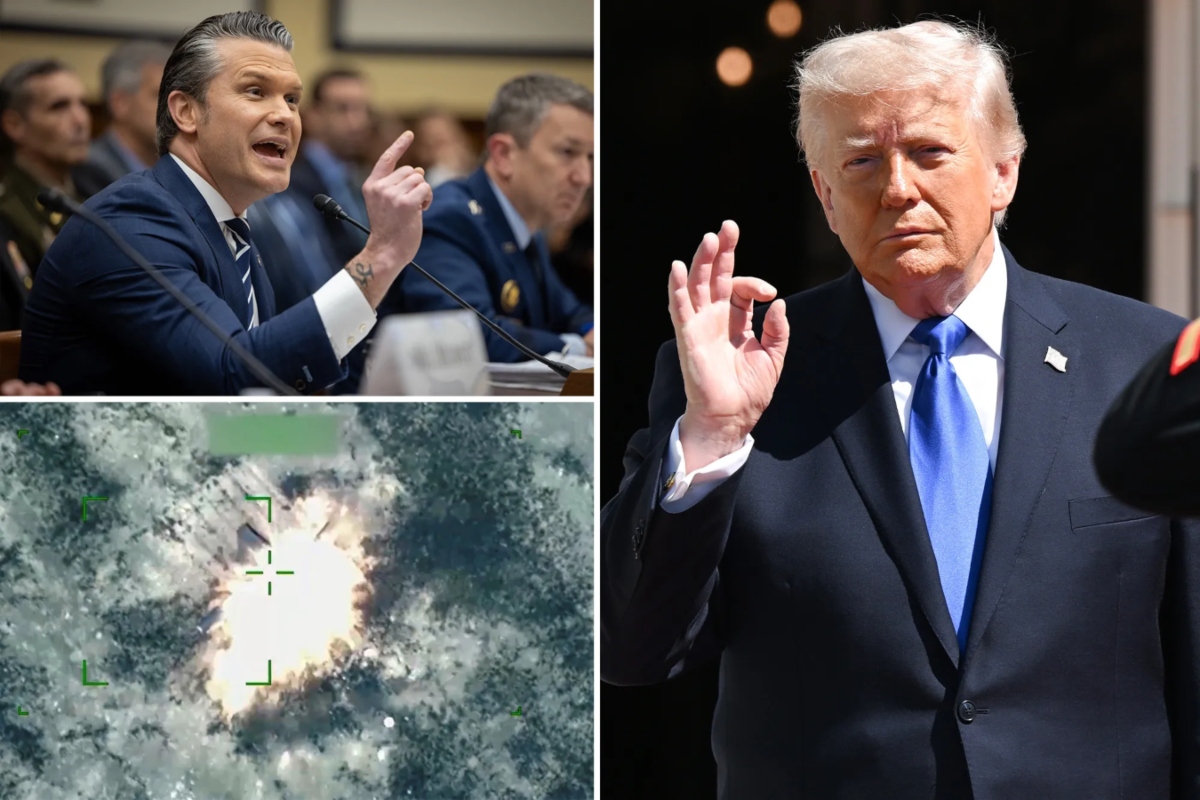
However, the Pentagon has advanced a controversial argument. Defense Secretary Pete Hegseth suggested that:“A ceasefire may effectively pause the clock.”
This interpretation could allow continued strategic operations without fresh congressional approval.
Political friction in Washington
Lawmakers are divided. Some Republicans support the administration’s reading, while others demand clarity. Democrats broadly argue that the interpretation undermines constitutional checks and balances.
Attempts to restrain the president have repeatedly failed in Congress, including narrow Senate votes that fell short of blocking continued operations.
A notable Republican framing has been:“We are not at war.”
This phrasing functions as both a political and legal shield to avoid triggering War Powers enforcement.
A legal gray zone with precedents
The debate echoes earlier disputes, such as the 2011 Libya intervention, when U.S. involvement proceeded without explicit congressional authorization.
Legal analysts argue that:
- U.S. actions against Iran likely qualify as “hostilities”
- Therefore, congressional approval should be required
- The ceasefire argument is legally debatable
At the heart of the dispute lies a key question: does a pause in fighting equal the end of hostilities—or merely a temporary suspension?
Geopolitical reality: conflict without “war”
Despite ceasefire rhetoric, tensions remain high:
- Strategic pressure continues in the Strait of Hormuz
- Diplomatic efforts are ongoing
- The White House has not ruled out renewed strikes
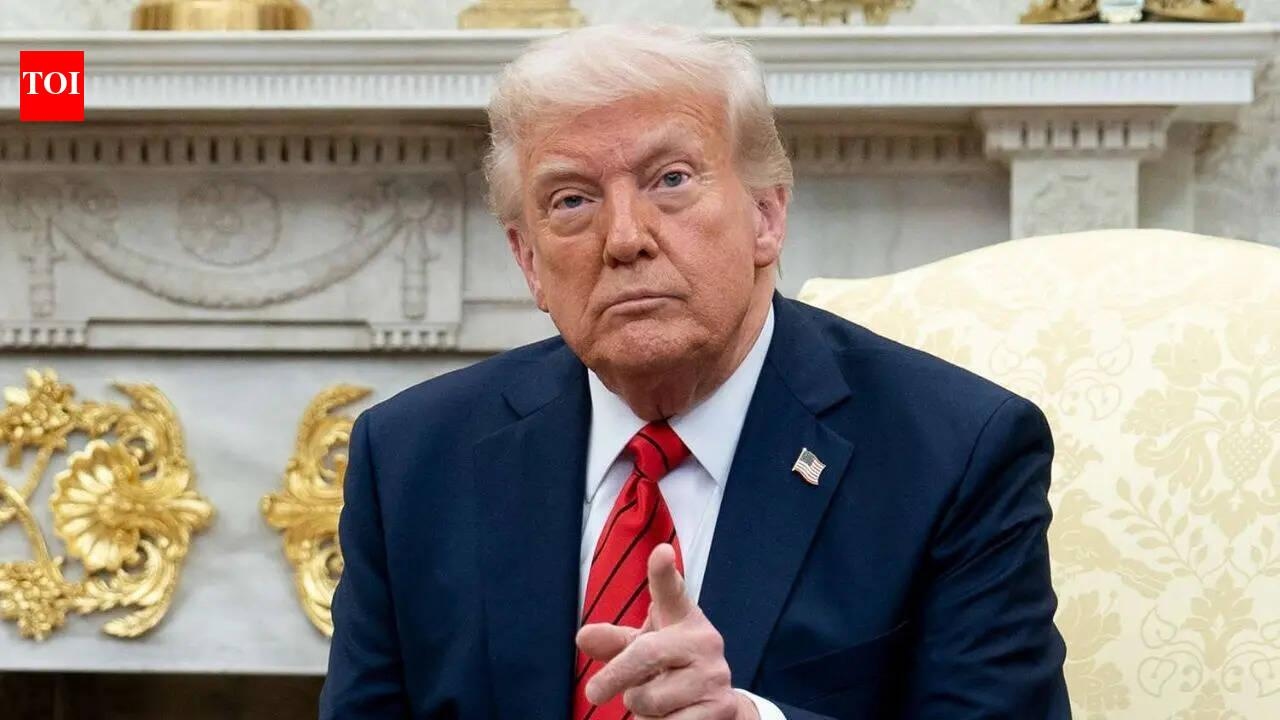
President Trump has indicated the possibility of escalation:“We may have to resume.”
This reflects a broader shift toward limited, flexible military engagement without formal war declarations.
what’s really at stake
Executive power expansion The administration’s interpretation strengthens presidential authority over military decisions.
Congressional erosion Repeated legislative failures highlight the difficulty of enforcing War Powers constraints.
A new warfare doctrine Operating in a state of “not war, not peace” could become a template for future conflicts.
Escalation risks A fragile ceasefire without legal clarity increases the chance of sudden military flare-ups.
The War Powers dispute is more than a technical legal argument—it is a defining test of who controls U.S. war-making authority.
In an increasingly unstable global environment, the Iran case may set a precedent for:
- undeclared conflicts
- flexible legal interpretations
- and expanded executive power
Source: pagenews.gr
Διαβάστε όλες τις τελευταίες Ειδήσεις από την Ελλάδα και τον Κόσμο