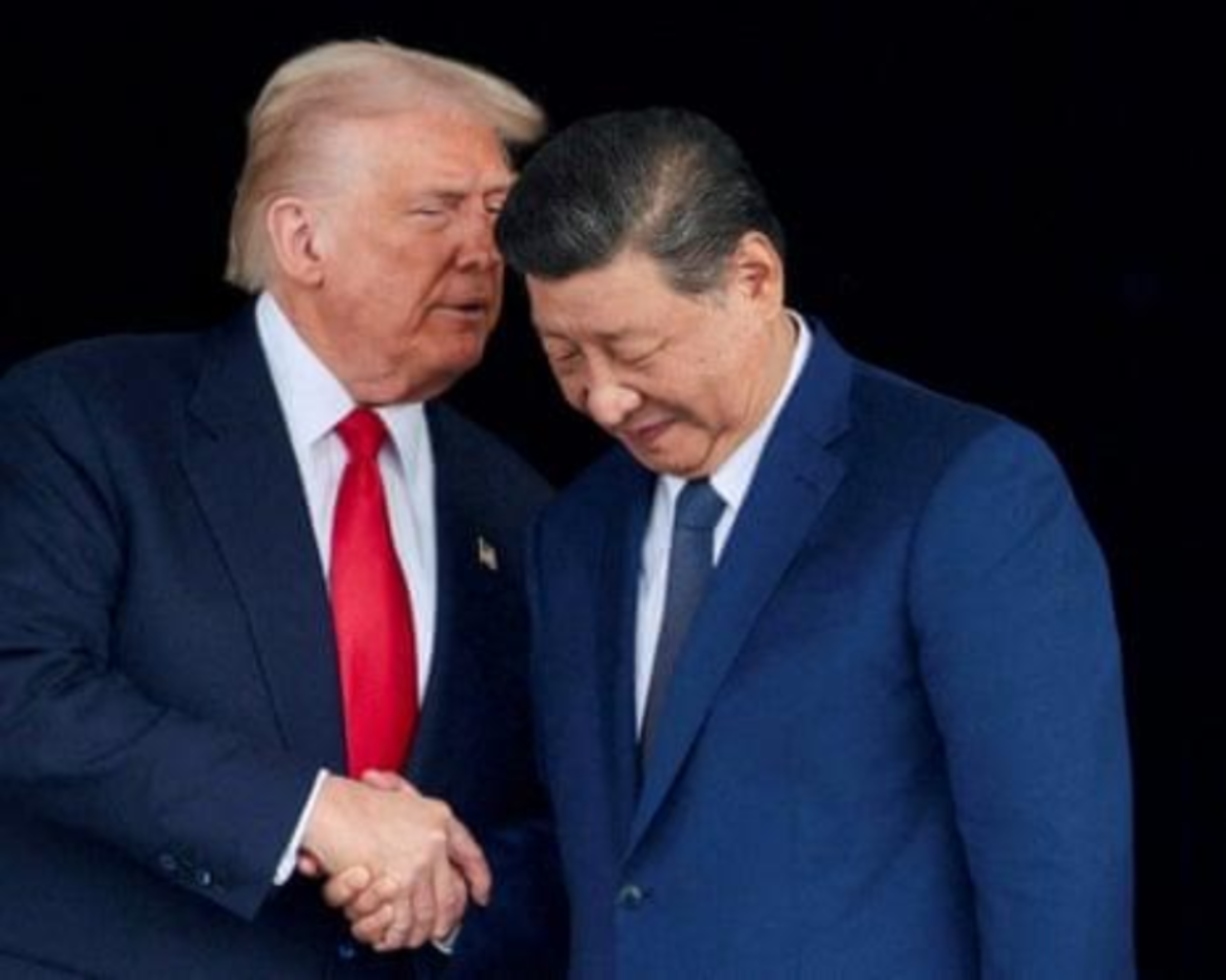
Behind the carefully choreographed diplomacy surrounding Donald Trump’s anticipated visit to Beijing lies a far colder strategic calculation inside China’s political and intelligence establishment.
According to analyses circulating among Chinese think tanks and intelligence-linked institutions, Beijing does not view the upcoming Xi-Trump summit as the beginning of a genuine partnership. Instead, Chinese strategists reportedly see it as a tactical pause — a controlled de-escalation designed to buy time while China strengthens its economic, technological and geopolitical position against the United States.
At the center of this calculation is one key assessment:
China believes Trump can be managed through deals.
Chinese officials reportedly view the American president less as a traditional ideological strategist and more as a highly transactional political actor driven by optics, immediate economic wins and domestic political messaging.
A Summit Built on Optics, Not Trust
Inside Beijing, analysts reportedly expect the summit to produce dramatic headlines, major trade announcements and symbolic gestures of cooperation.
But beneath the public relations spectacle, Chinese strategic circles remain deeply skeptical about long-term American intentions.
According to several Chinese geopolitical assessments, the summit is being interpreted internally as “a truce, not a partnership.”
The objective for Beijing is not reconciliation — it is stabilization.
China wants to temporarily reduce pressure from Washington while accelerating:
- technological self-sufficiency,
- semiconductor independence,
- AI development,
- alternative export markets,
- and energy security.
At the same time, Beijing believes Trump’s governing style creates opportunities unavailable under previous US administrations.
Unlike traditional American foreign policy elites, Trump is viewed by Chinese strategists as more interested in immediate economic agreements than ideological confrontation over democracy or human rights.
That distinction matters enormously for Beijing.
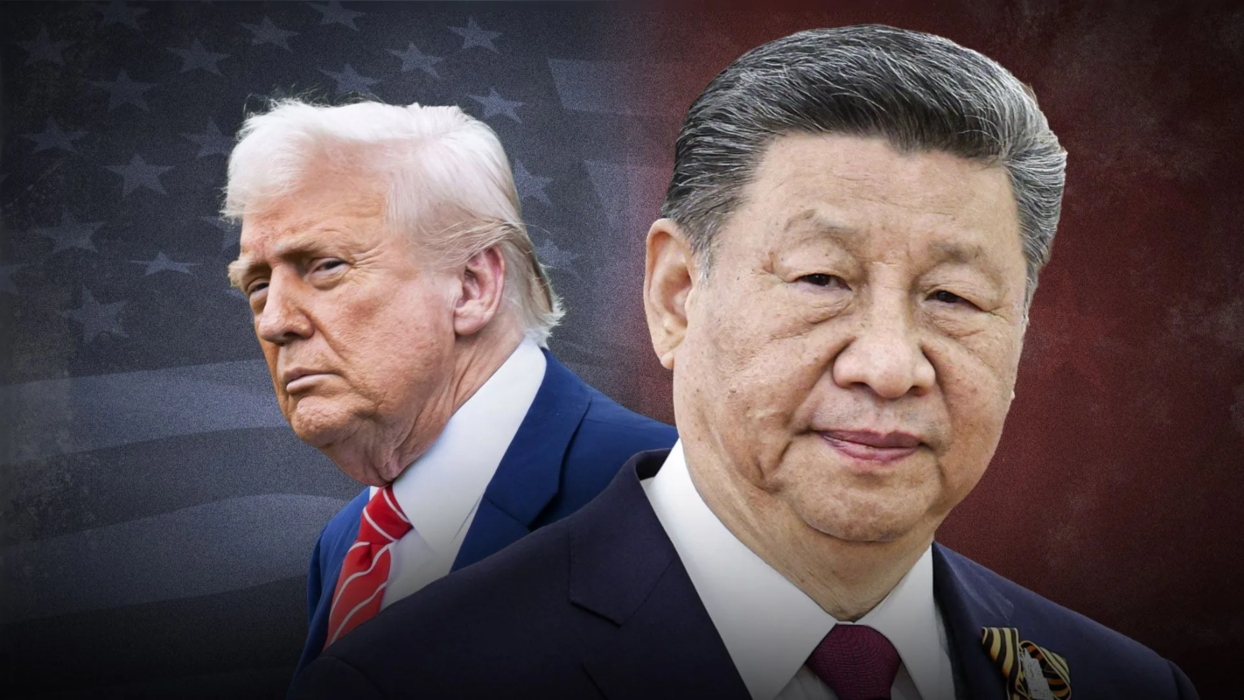

China’s Real Fear: Trump’s Unpredictability
Despite viewing Trump as negotiable, Chinese intelligence assessments reportedly continue warning about one major danger:
his unpredictability.
Several Chinese analyses suggest Beijing fears Trump could rapidly shift from cooperation to confrontation if he believes China is embarrassing him politically or undermining his image domestically.
This concern has reportedly intensified Chinese intelligence efforts to better understand Trump’s personal decision-making style, political psychology and negotiation behavior.
According to regional diplomatic sources, Beijing increasingly relies on business channels, commercial intermediaries and unofficial networks to shape Trump-era economic negotiations and reduce the risk of sudden escalation.
Taiwan Remains the Most Dangerous Flashpoint
While trade dominates headlines, Chinese strategic planners continue viewing Taiwan as the core issue defining the future of US-China relations.
Beijing reportedly believes the summit could produce a temporary freeze in escalation around Taiwan, especially after Washington delayed sensitive military decisions ahead of the meeting.
Trump’s own pragmatic approach toward Taiwan is also closely watched in Beijing.
Chinese analysts believe Trump sees Taiwan not only as a geopolitical issue but also as an economic competitor — particularly in the semiconductor sector.
That perception could potentially create more room for negotiation compared to previous administrations.
Still, Chinese strategists do not expect Washington to fundamentally abandon Taiwan.
Instead, Beijing’s realistic objective is narrower:
- prevent escalation,
- reduce major arms transfers,
- establish military hotlines,
- and reinforce symbolic American opposition to formal Taiwanese independence.

Artificial Intelligence Is Becoming the New Nuclear Arms Race
Perhaps the most explosive dimension of the summit may involve artificial intelligence.
Chinese technological advances in AI models, cyber capabilities and advanced computing have reportedly triggered growing alarm inside Washington.
Beijing now sees AI not simply as a commercial competition — but as the defining battlefield of future global power.
Chinese analysts expect the United States to push aggressively for safeguards preventing AI from being weaponized through cyber warfare, autonomous military systems or biological threats.
In return, Beijing will reportedly seek relief from American restrictions on advanced semiconductor exports and supercomputing technologies.
Several geopolitical observers now describe the US-China AI race as “the digital equivalent of the Cold War nuclear competition.”
The Middle East Is Quietly Reshaping US-China Relations
The deepening crisis involving Iran and the Strait of Hormuz has also dramatically altered Beijing’s calculations.
Chinese strategists increasingly believe America’s growing military entanglement in the Middle East creates a historic opportunity for Beijing to present itself as a more stable diplomatic actor.
While Washington is seen as escalating regional tensions alongside Israel, China is attempting to position itself as a pragmatic mediator capable of maintaining communication with:
- Iran,
- Gulf monarchies,
- Pakistan,
- and even Western powers simultaneously.
This balancing strategy is central to Beijing’s regional ambitions.
China’s overriding concern remains energy security.
More than half of China’s imported oil flows through the Strait of Hormuz, making regional stability an existential economic issue for Beijing.
That explains why Chinese diplomacy has intensified dramatically in recent months, with Foreign Minister Wang Yi reportedly holding dozens of emergency calls aimed at preventing maritime escalation.
Rare Earths: China’s Silent Weapon Against the West
Another major issue expected to dominate the summit involves rare earth minerals — one of the most strategically important resources in the global economy.
China currently dominates global rare earth supply chains critical for:
- semiconductors,
- defense industries,
- electric vehicles,
- AI hardware,
- aerospace systems,
- and advanced weapons manufacturing.
The current US-China trade truce involving gallium and germanium exports remains fragile.
Western defense manufacturers continue warning that Chinese export licensing delays are disrupting production and driving up global prices.
Chinese negotiators are expected to leverage these supply chain dependencies during Trump’s visit in exchange for:
- tariff reductions,
- expanded agricultural purchases,
- Boeing deals,
- and softer technology restrictions.
China’s Grand Strategy: Tactical Calm, Long-Term Competition
The broader Chinese worldview emerging from these assessments is strikingly pragmatic.
Beijing does not appear to believe strategic rivalry with the United States will disappear.
On the contrary, Chinese analysts increasingly view prolonged competition with Washington as inevitable.
The summit therefore serves a narrower purpose:
buy time, reduce immediate economic pressure, avoid military escalation, and continue preparing for a multipolar world where American dominance steadily weakens.
Inside Chinese strategic circles, Trump is increasingly seen as a high-risk but manageable negotiator — a political gambler whose focus on deals and spectacle creates tactical openings Beijing intends to exploit carefully.
And while cameras may capture smiles and handshakes in Beijing, few inside China’s geopolitical establishment appear to believe the deeper struggle for global power is anywhere close to ending.
Source: pagenews.gr