Pierrakakis heads to Paris for G7: alarm over Hormuz, energy shock and global economic turmoil
 ΧΡΟΝΟΣ ΑΝΑΓΝΩΣΗΣ 4 '
Πηγή Φωτογραφίας: eurokinissi//Pierrakakis heads to Paris for G7: alarm over Hormuz, energy shock and global economic turmoil



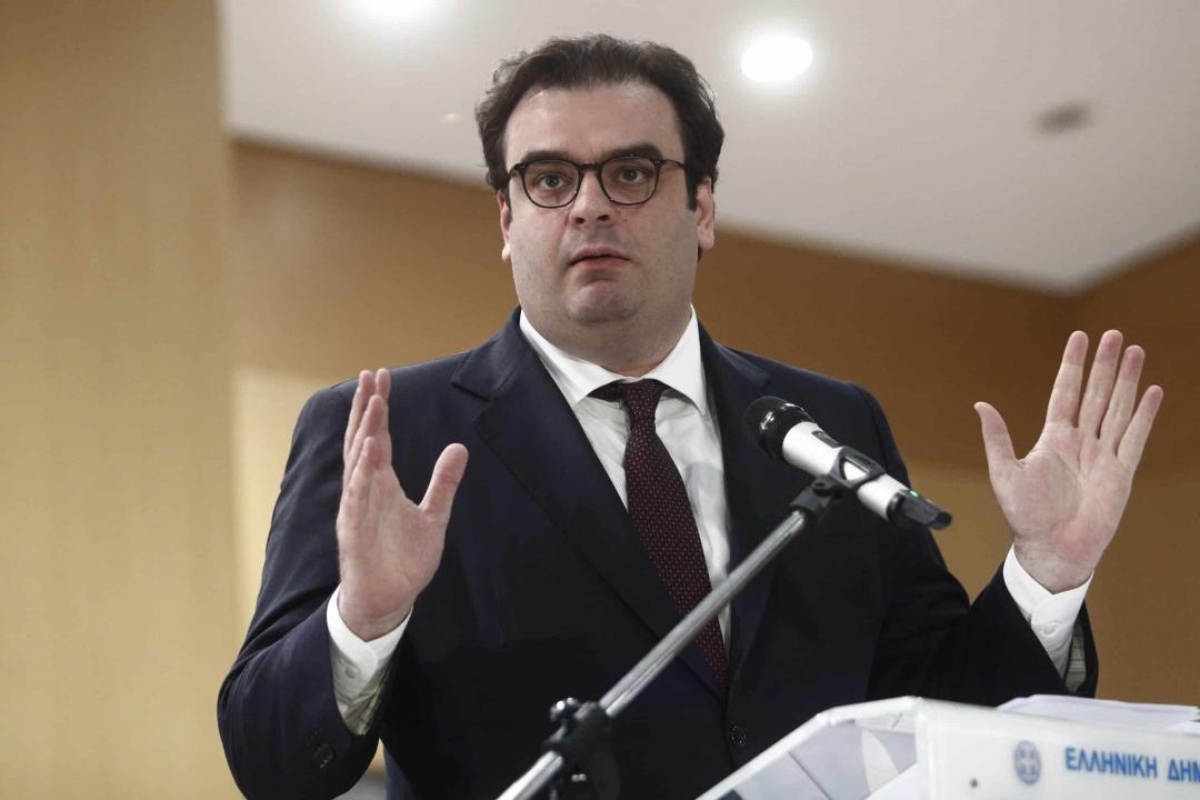
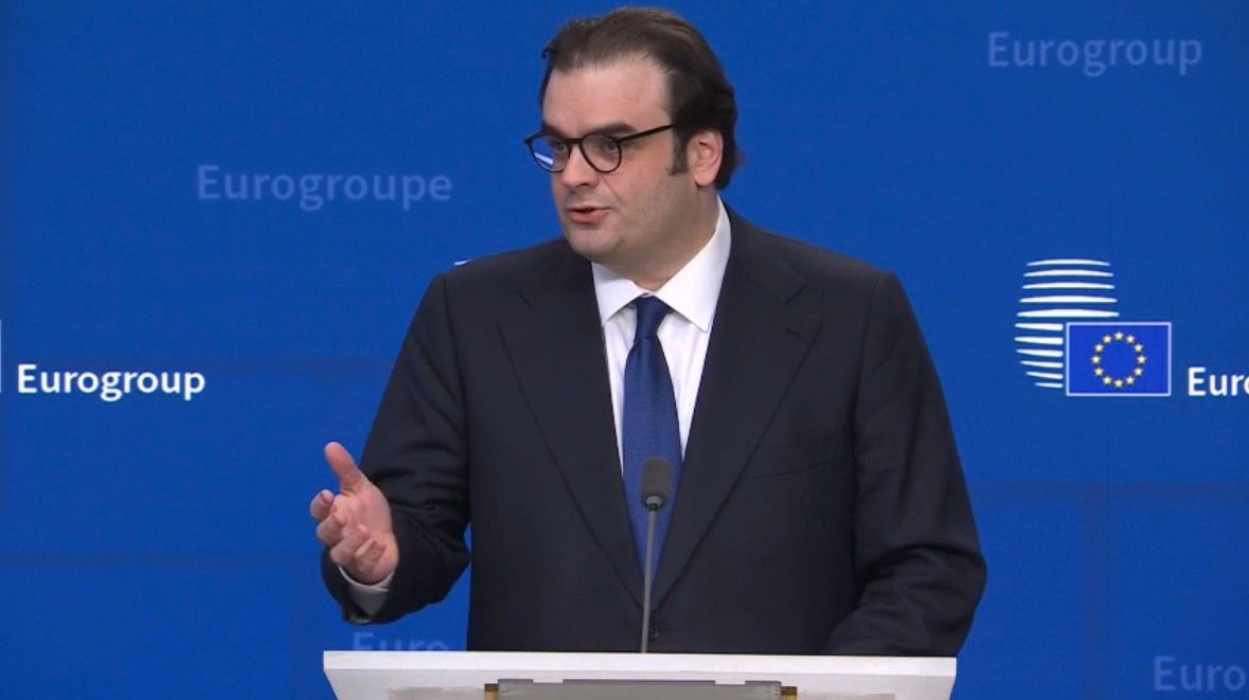
Against the backdrop of escalating instability in the Middle East, rising volatility in international markets and fears of a new global energy shock, Greece’s Minister of National Economy and Finance and President of the Eurogroup, Kyriakos Pierrakakis, will travel to Paris on Monday to participate in the G7 meeting of Finance Ministers and Central Bank Governors.
The summit, taking place on May 18–19 under the French presidency, comes at a particularly critical moment for the global economy, as the world’s leading financial powers attempt to prevent geopolitical tensions from triggering another major economic disruption.
Discussions are expected to focus heavily on the macroeconomic consequences of the Middle East conflict, global energy security, continued support for Ukraine, and the widening international economic imbalances that are unsettling investors and governments alike.
Growing fears over the Strait of Hormuz
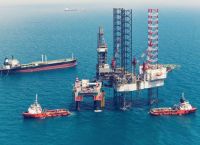
At the center of international concern lies the Strait of Hormuz — one of the world’s most strategic energy chokepoints, through which a significant portion of global oil and gas supplies passes every day.
Before departing for Paris, Kyriakos Pierrakakis delivered a clear warning:
“Keeping the Strait of Hormuz open and achieving a definitive end to the conflict are of utmost importance in limiting the impact on the global economy.”
His statement reflects mounting anxiety across European capitals over the possibility of another surge in energy prices, renewed inflationary pressures and a slowdown in economic growth.
Although Europe demonstrated resilience during the energy crisis sparked by the war in Ukraine, officials fear that a prolonged conflict in the Middle East could derail fragile recovery plans, delay interest rate cuts and reignite instability across financial markets.
Greece seeks a stronger voice on the global stage
Pierrakakis’ participation in the G7 discussions carries symbolic and strategic significance for Greece.
It signals the country’s growing role within European economic decision-making circles at a time when Athens is seeking to position itself as both a pillar of stability in the Eastern Mediterranean and a reliable economic partner for international investors.
Greek officials are expected to emphasize the need for deeper European economic integration, stronger capital markets and policies aimed at making Europe more attractive for long-term investment.
“Today’s economic challenges are global challenges,” Pierrakakis stressed, underlining the need for coordinated international responses.
Europe’s battle for investment and economic competitiveness
Behind the diplomatic language of the summit lies a much larger economic struggle.
Europe is increasingly concerned about losing investment capital to the United States and Asia, while simultaneously dealing with weak growth, high borrowing costs and geopolitical uncertainty.
Pierrakakis is expected to push for policies that deepen European capital markets and strengthen the EU’s economic competitiveness — a strategy viewed by many policymakers as essential for Europe’s long-term economic survival.
The debate goes beyond short-term crisis management. It is ultimately about reshaping Europe’s economic model in an era marked by permanent geopolitical risk and global fragmentation.
A world economy on thin ice
This year’s G7 summit takes place as the global economy faces mounting pressure from multiple fronts.
The war in Ukraine continues with no clear end in sight, tensions in the Middle East are escalating, US-China economic rivalries are intensifying, and central banks are still struggling to contain inflation without pushing economies into recession.
Within this fragile environment, Europe aims to send a dual message:
That it remains resilient despite ongoing crises — but also that without international cooperation, stable energy routes and coordinated global action, the risk of another major economic shock remains dangerously real.
Διαβάστε όλες τις τελευταίες Ειδήσεις από την Ελλάδα και τον Κόσμο