Xi Warns Trump on ‘Thucydides Trap’ as US-China Rivalry Pushes World Toward Dangerous Crossroads
 ΧΡΟΝΟΣ ΑΝΑΓΝΩΣΗΣ 5 '
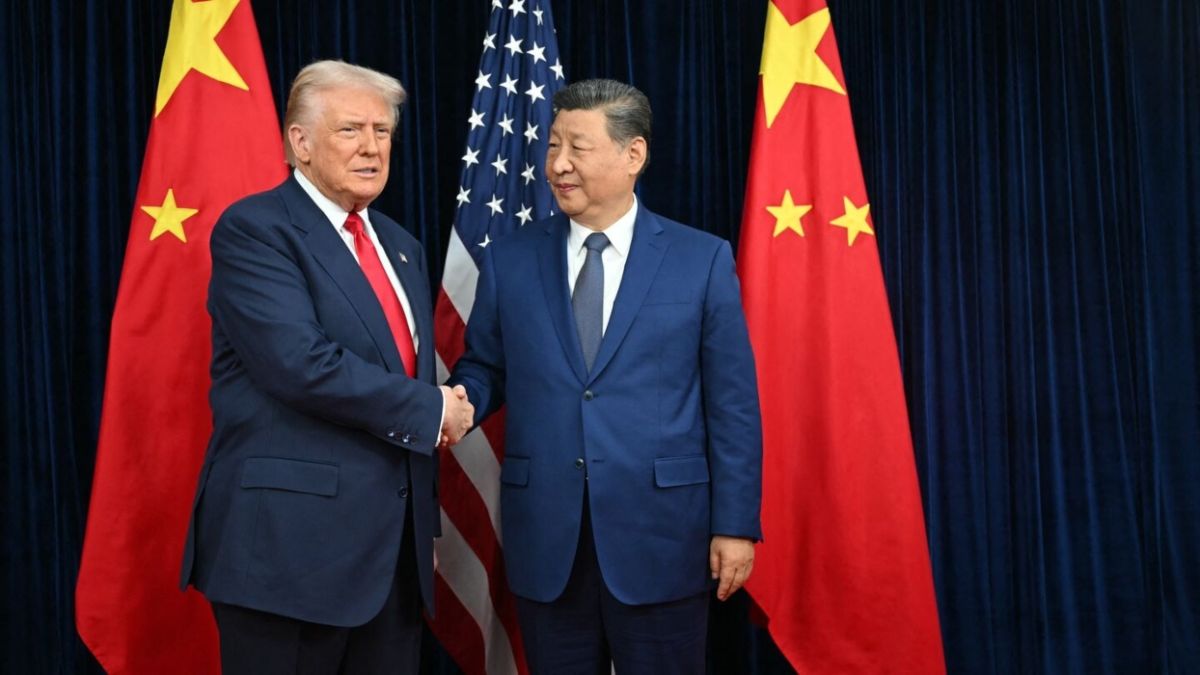
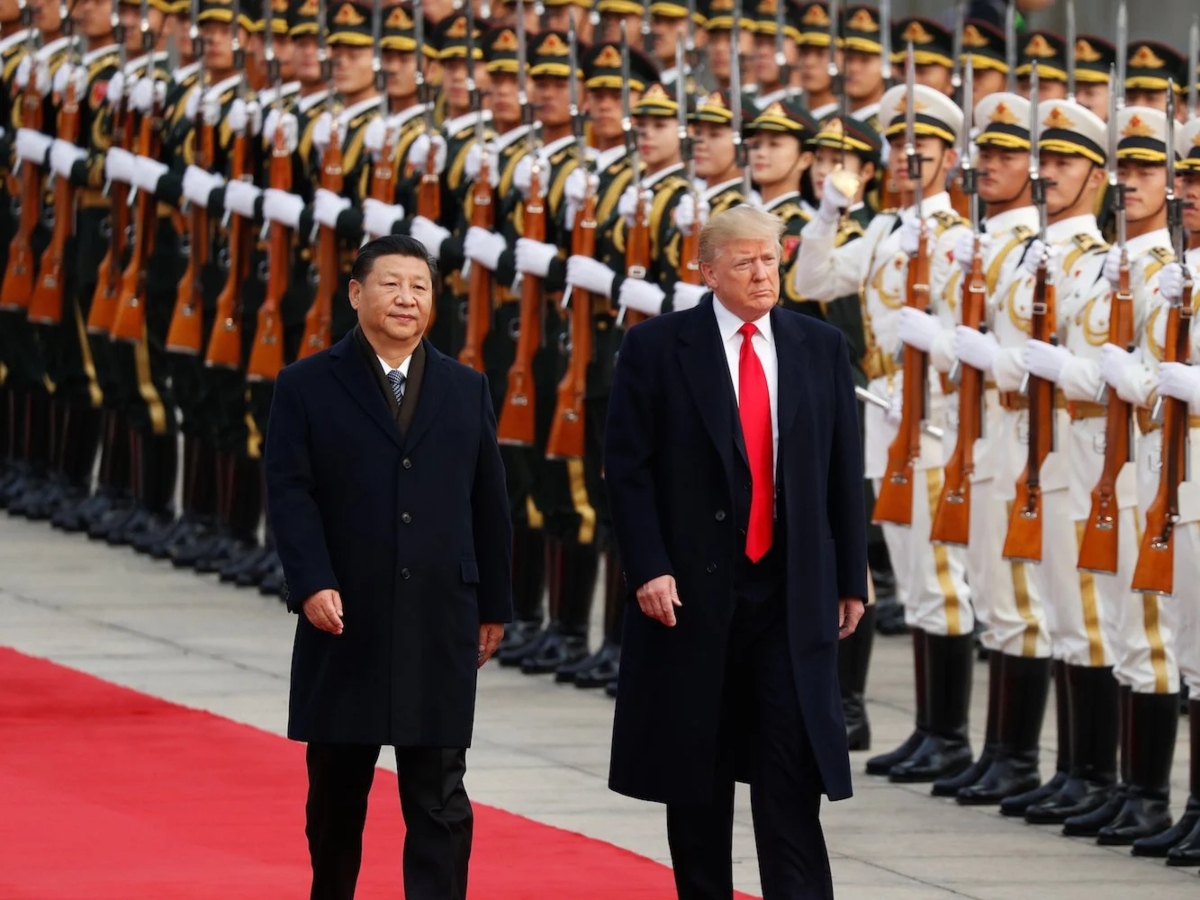
Πηγή Φωτογραφίας: AP Photo//Xi Warns Trump on ‘Thucydides Trap’ as US-China Rivalry Pushes World Toward Dangerous Crossroads


One phrase from Chinese President Xi Jinping was enough to send shockwaves through the geopolitical world.
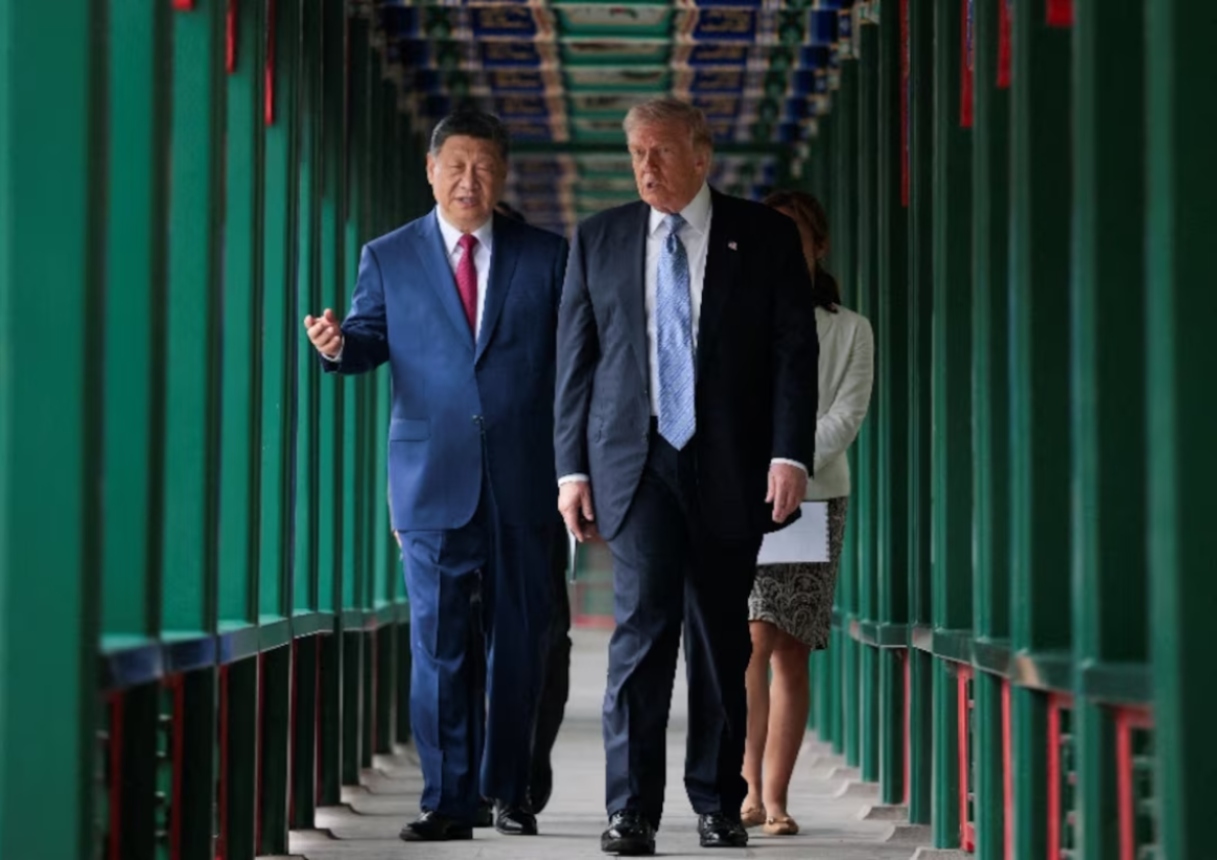
During high-stakes talks in Beijing with United States President Donald Trump, Xi reportedly raised the specter of the “Thucydides Trap” — a concept that has become one of the most feared scenarios in modern international relations.
Behind the diplomatic language was a stark message from Beijing: the strategic rivalry between the United States and China is entering a phase of dangerous instability that could reshape the global order for decades.
“Whether China and the United States can avoid the Thucydides Trap is a historic question,” Xi reportedly told Trump during their discussions.
The warning immediately reignited debate among diplomats, military strategists, economists and intelligence communities over whether the world’s two largest powers are drifting toward an unavoidable collision.
What Is the Thucydides Trap?
The term originates from the ancient Greek historian Thucydides and his account of the Peloponnesian War between Athens and Sparta in the fifth century BCE.
Thucydides famously wrote:
“The growth of the power of Athens, and the alarm which this inspired in Sparta, made war inevitable.”
Modern political scientist Graham Allison later revived the concept to describe what happens when a rising power threatens an established superpower. According to the theory, fear, insecurity and strategic competition can push nations into conflict even when neither side initially seeks war.
Today, many analysts see clear parallels between ancient Greece and the growing confrontation between Washington and Beijing.
The United States represents the dominant global power. China is the rapidly ascending challenger determined to expand its economic, military and geopolitical influence.
Taiwan: The Most Dangerous Flashpoint on Earth
At the heart of the crisis lies Taiwan — arguably the single most dangerous geopolitical hotspot in the world today.
Beijing considers Taiwan part of Chinese territory and has repeatedly warned that reunification remains non-negotiable. China has also refused to rule out military action if necessary.
Meanwhile, the United States continues strengthening Taiwan’s defense capabilities while increasing military coordination with allies across the Indo-Pacific region.
During the Beijing talks, Xi reportedly warned Trump that mishandling Taiwan could trigger catastrophic consequences for bilateral relations.
Diplomatic insiders described the Chinese leader’s language as one of the strongest warnings Beijing has delivered in years.
Military analysts increasingly fear that Taiwan could become the trigger point for direct confrontation between two nuclear superpowers.
The Battle for Technological and Economic Supremacy
The US-China rivalry is no longer limited to military competition.
The struggle now extends across:
- artificial intelligence,
- semiconductors,
- cyber warfare,
- rare earth minerals,
- global trade routes,
- energy supply chains,
- and control over next-generation technologies.
Washington has intensified restrictions on advanced chip exports and strategic technologies to China, arguing that Beijing could use them for military expansion.
China, meanwhile, accuses the United States of attempting to contain its rise through economic pressure, military alliances and regional encirclement.
The result is a rapidly deepening geopolitical divide that increasingly resembles a 21st century Cold War.
Fear May Become More Dangerous Than War Itself
One of the central lessons behind the Thucydides Trap is that fear itself can become destabilizing.
History shows that great powers do not always enter wars because they actively desire conflict. Often, wars emerge because leaders fear losing influence, security or strategic advantage.
That is precisely why many international observers are alarmed by the current trajectory of US-China relations.
Every military exercise in the South China Sea, every sanction, every naval deployment and every diplomatic escalation increases mistrust between the two capitals.
And unlike ancient Greece, the consequences today would be global.
A direct confrontation between Washington and Beijing would devastate the world economy, disrupt financial markets, paralyze supply chains and risk military escalation on an unprecedented scale.
The Ancient Greek Lesson Terrifying Modern Superpowers
The irony of history is impossible to ignore.
The geopolitical doctrine now haunting Washington and Beijing was born from the collapse of ancient Greek civilization itself.
The Peloponnesian War ultimately weakened both Sparta and Athens. Sparta won militarily but exhausted itself politically and economically, while Athens lost its empire and regional dominance.
The deeper lesson is not merely about war — but about the destructive consequences of unchecked rivalry, overexpansion and strategic paranoia.
Today’s global powers are studying that history carefully because they understand what is truly at stake:
The future international order may ultimately depend on whether the United States and China learn how to compete without allowing fear to push the world into catastrophe.
Sources used for enrichment: Reuters, Graham Allison (Harvard Kennedy School), Cornell Chronicle, South China Morning Post, Xinhua, Caixin Global, Foreign Affairs.
Διαβάστε όλες τις τελευταίες Ειδήσεις από την Ελλάδα και τον Κόσμο