“The ministry will proceed – there is no alternative”
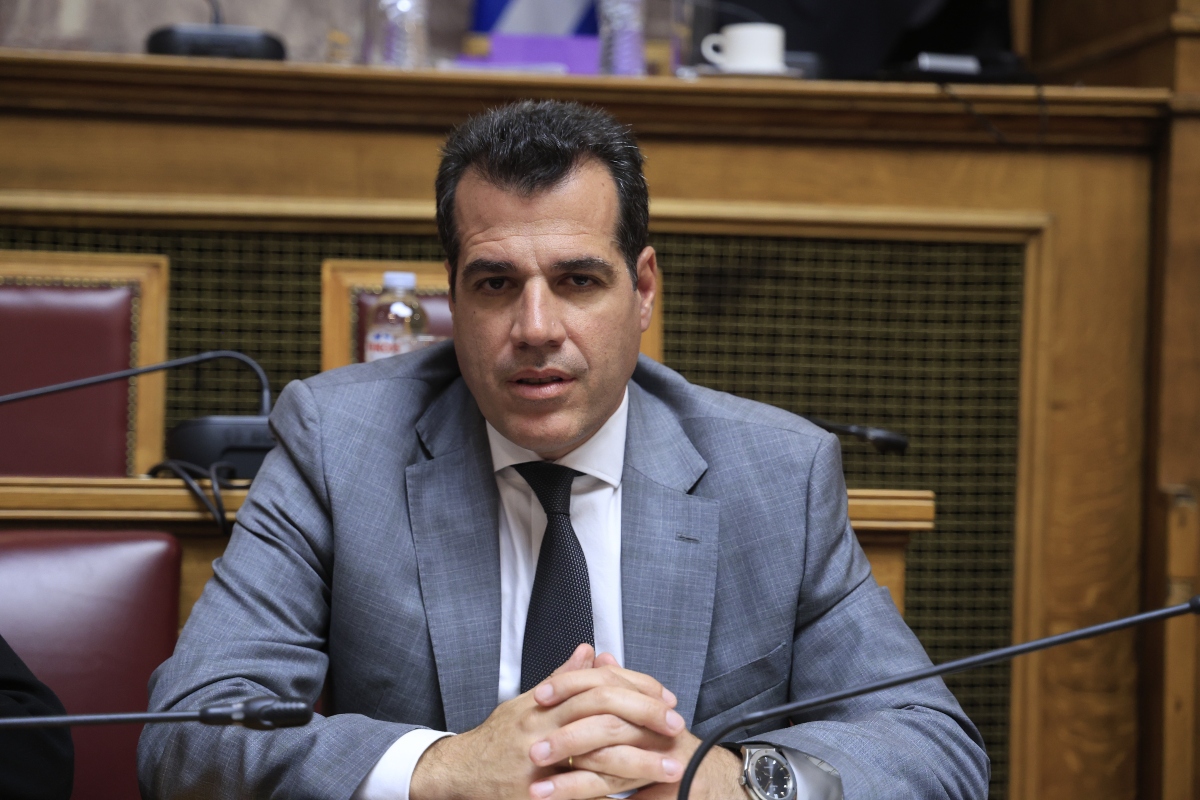
Greek Migration and Asylum Minister Thanos Plevris stated in clear terms that the government will move forward with the creation of a migrant reception structure in Heraklion, Crete, despite local objections and difficulties in finding suitable sites.
“The ministry will proceed with the sites,” he said, warning that otherwise migrant management would end up taking place at the port itself—an option he described as unsustainable for one of the country’s key entry points.
Rising numbers in Crete – pressure from Libya
According to the data presented, around 19,000–20,000 irregular migrant arrivals were recorded in Crete in 2025.
In addition, during the first half of May alone:
- around 1,200 arrivals were recorded
- and 530 interceptions took place for the first time at such a scale
Plevris also highlighted migration pressure from Libya, stating that approximately 500,000 migrants are currently located there with the intention of reaching Europe.
“More difficult than the Aegean”
The minister stressed that managing migration flows in Crete is more complex than in the Aegean Sea, as interception becomes significantly harder once vessels reach international waters.
He also acknowledged challenges in securing locations for reception facilities in Heraklion, noting that several proposed sites (including military camps and areas in Kalami and Gazi) were rejected by local authorities without alternative proposals.


New EU Migration Pact: faster asylum decisions, detention for rejections
Plevris also referred to the new European Migration Pact, which introduces major changes:
- Asylum applications to be processed within 12 weeks
- Individuals without refugee status to be placed in detention regimes
- Increased pressure for returns to third countries
At the same time, five EU countries—including Germany, Denmark, and the Netherlands—have agreed on establishing return hubs outside the EU for migrants who cannot be immediately deported.
“The logic is that the prospect of return encourages voluntary returns,” he noted.
“Crete cannot function without structured planning”
The minister emphasized that Crete cannot handle migration flows without organized reception infrastructure, insisting that the ministry will move ahead with implementation.
He also said cooperation is better in Chania and assured that no major problems are expected during the summer period.
Oversight and EU funding
Regarding reports of European Public Prosecutor’s Office investigations into reception facilities, Plevris said he was not aware of any active probe, though he confirmed that data has been requested in the past.
He added that all relevant contracts have been approved by the Court of Audit and the European Commission, stressing that Brussels has already authorized funding disbursements and is monitoring project progress.
Migration remains a central political issue in Greece, with the government emphasizing deterrence, faster asylum procedures, and the development of structured reception facilities—while Crete emerges as a growing frontline of migration flows into Europe.
Source: pagenews.gr