Mylonas: “Greece Has Become an Investment Destination”–National Bank of Greece Charts Europe’s Path to Growth
 ΧΡΟΝΟΣ ΑΝΑΓΝΩΣΗΣ 5 '
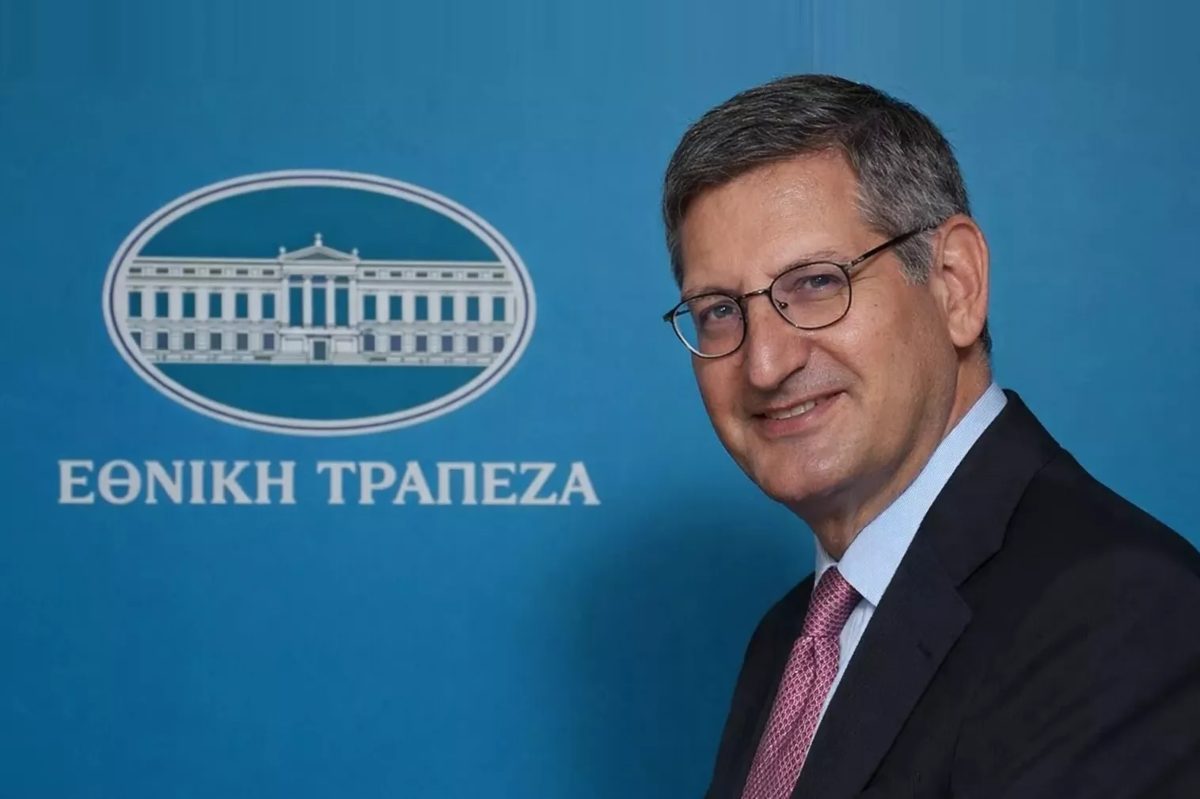
Πηγή Φωτογραφίας: eurokinissi//Mylonas: “Greece Has Become an Investment Destination” – National Bank of Greece Charts Europe’s Path to Growth



From Europe’s Weak Link to an Investment Success Story
As Europe seeks to strengthen its competitiveness against the United States and Asia Pavlos Mylonas, Chief Executive Officer of the National Bank of Greece (NBG), presented Greece as a compelling example of successful economic transformation.
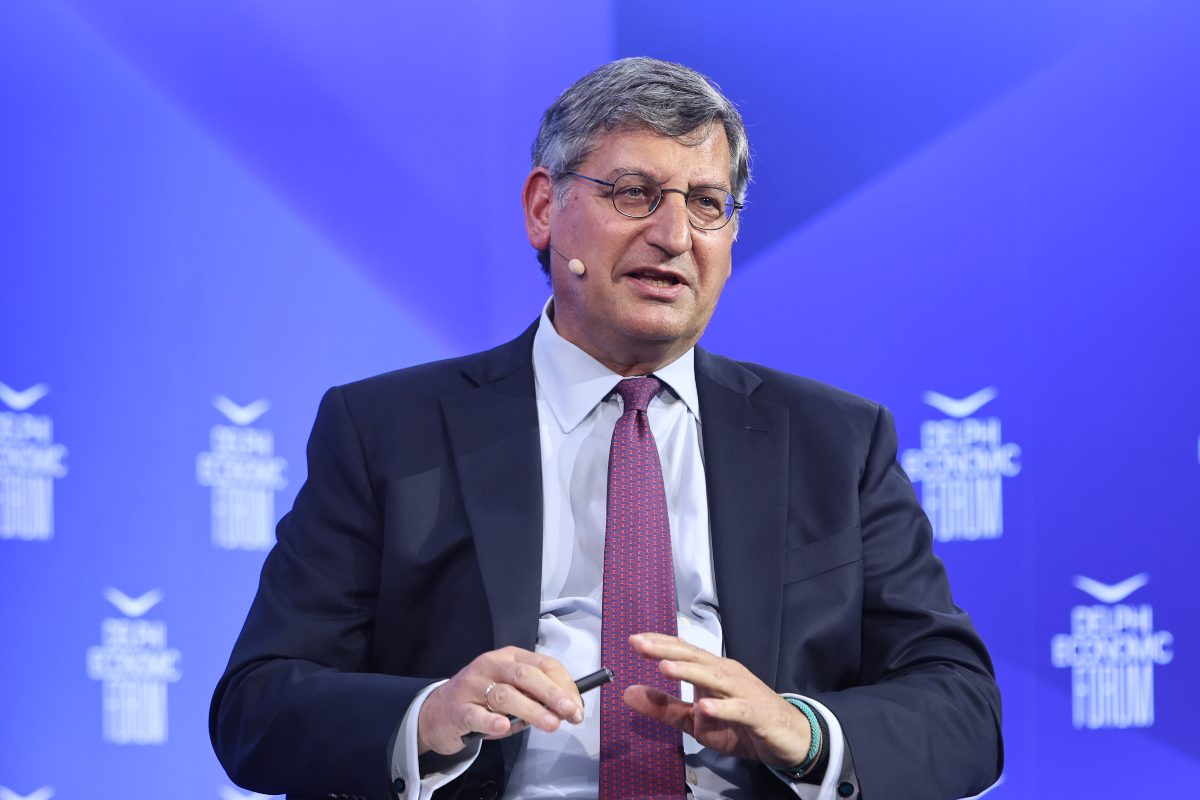
Speaking during the Economist Conference panel titled “The Global Economy in 2026 and Beyond – Financing Europe and Greece’s Future,” alongside Bank of Greece Governor Yannis Stournaras and ECB Vice President Boris Vujčić, Mylonas emphasized that sustainable growth depends on attracting more—and better—investment.
“Investor Confidence Is Earned, Not Given”
According to Mylonas, Greece’s return to international credibility was not accidental.
He stressed that the country regained investor confidence through a combination of:
- Strong fiscal discipline,
- Primary budget surpluses between 3% and 5% of GDP,
- Ambitious structural reforms,
- Rapid digital transformation,
- Energy sector modernization,
- A more competitive tax framework.
These policies, he noted, helped Greece almost double its investment levels within a relatively short period, reversing years of underinvestment.
“Greece earned investors’ trust through consistent fiscal policy, structural reforms and a commitment to modernization.”
Investment Quality Matters as Much as Quantity
While attracting capital is essential, Mylonas argued that the quality of investment ultimately determines long-term productivity and economic competitiveness.
He pointed to a significant structural difference between Europe and the United States.
Approximately 40% of American investment is directed toward high-technology sectors, compared with only 25% in Europe—a figure that is broadly similar in Greece.
This gap, he said, largely explains why the United States continues to outperform Europe in productivity growth.
Europe Needs a Stronger Capital Markets Union
One of the central themes of Mylonas’ intervention was the urgent need to complete the European Capital Markets Union (CMU).
He argued that Europe’s heavy reliance on bank financing limits its ability to fund innovation and high-growth companies.
A deeper and more integrated capital market would:
- Expand venture capital financing,
- Increase private equity investment,
- Encourage greater risk-taking,
- Support technology-driven entrepreneurship,
- Improve Europe’s long-term productivity.
According to Mylonas, a stronger CMU is essential if Europe wants to compete effectively in the global economy.
Banks Also Have a Critical Role
Mylonas highlighted that Greek banks are actively contributing to this transformation.
The National Bank of Greece and the wider banking sector have significantly increased investments in:
- Digital banking,
- Information technology,
- Artificial intelligence,
- Automation,
- Cybersecurity infrastructure.
These investments, he noted, not only improve banking efficiency but also enhance the competitiveness of the broader economy.
Political Consensus Encourages Investment
Beyond fiscal stability and reforms, Mylonas stressed another often overlooked factor: political consensus.
Stable policy environments encourage long-term investment decisions and reduce uncertainty for international investors.
He suggested that Europe still struggles to create the same predictable investment climate enjoyed by other major economies and should learn from successful national experiences, including Greece’s recent transformation.
Implementation Remains Europe’s Biggest Challenge
Concluding his remarks, Mylonas said Europe already understands what reforms are necessary.
The real challenge lies in implementation.
Delivering meaningful progress will require:
- Political determination,
- Coordination among EU member states,
- Institutional cooperation,
- Long-term strategic commitment.
Without effective execution, Europe risks falling further behind global competitors despite having the necessary policy framework.
Pavlos Mylonas’ intervention went well beyond traditional banking issues. His message reflected a broader economic strategy for Europe, centered on investment-led growth, innovation and financial integration.
By presenting Greece as a case study of successful reform and restored credibility, the National Bank of Greece reinforces the narrative that the country has evolved from a financial crisis hotspot into an increasingly attractive destination for international capital. At the same time, Mylonas’ call for a fully integrated Capital Markets Union highlights one of Europe’s most pressing structural challenges: mobilizing private investment to close the technology and productivity gap with the United States.
For policymakers, investors and financial institutions alike, the message was clear: Europe’s future competitiveness will depend not only on fiscal stability, but on its ability to finance innovation, reward entrepreneurship and transform savings into productive investment.
Source: pagenews.gr
Διαβάστε όλες τις τελευταίες Ειδήσεις από την Ελλάδα και τον Κόσμο