Private debt remains one of the deepest scars left by Greece’s decade-long financial crisis. Although the country has restored fiscal stability and regained investment-grade status, millions of households and businesses continue to struggle with loans, tax liabilities, and enforcement measures that limit their financial recovery.
With a comprehensive legislative package recently approved by Parliament, the Ministry of National Economy and Finance is introducing a broad set of reforms designed to provide meaningful relief to more than two million households and businesses.
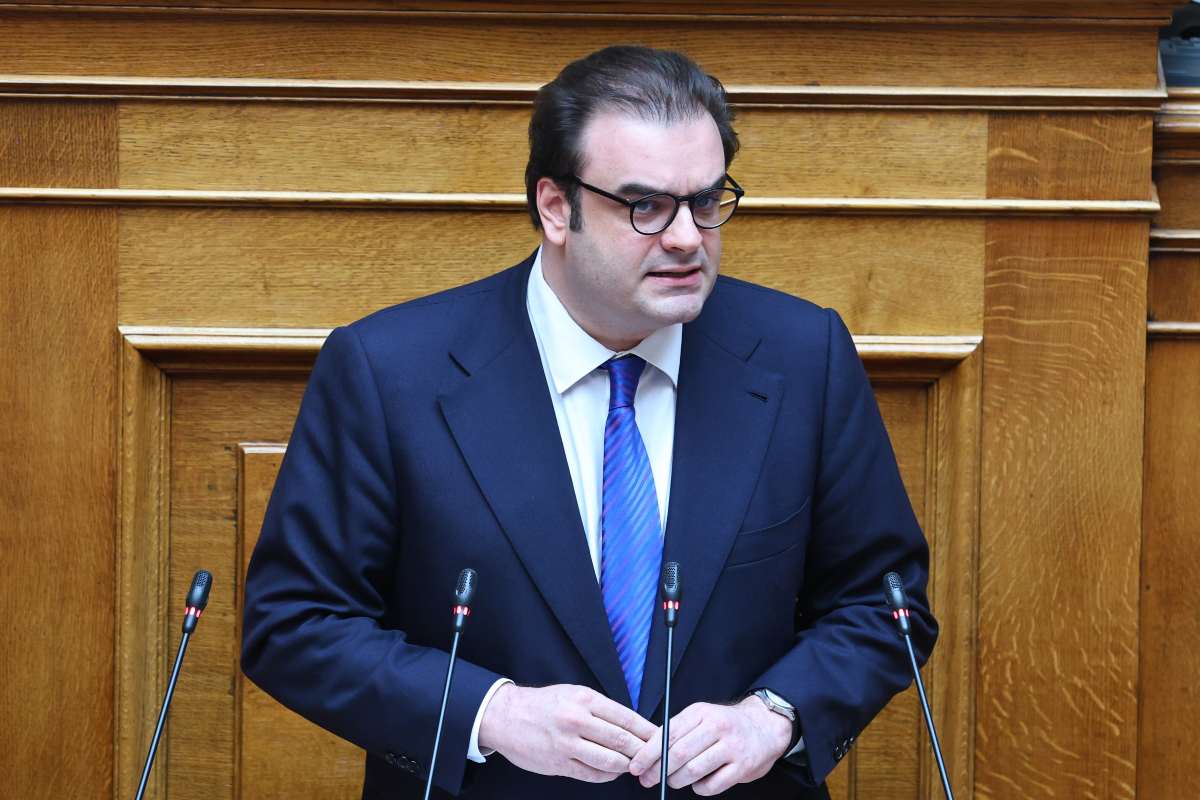
Minister of National Economy and Finance Kyriakos Pierrakakis described the initiative as a major step toward restoring financial normality.
“Private debt is perhaps the most complex social legacy of the crisis. It is measured in insecurity, postponed life decisions, and people who feel that the past continues to determine their future.”
He added:
“Our responsibility is to break this vicious cycle through policies that create real second chances.”
Major Reform of the Katseli Law
The most significant intervention concerns judicial debt settlements under the former Katseli Law (Law 3869/2010).
For the first time, legislation explicitly clarifies that interest will now be calculated only on each monthly installment rather than on the outstanding balance of the debt.
This dramatically reduces the overall repayment burden.
According to the Ministry’s example:
- Outstanding debt: €144,500
- Repayment period: 25 years
- Under the previous system, total repayment reached approximately €219,352, including nearly €75,000 in interest.
- Under the new calculation method, total repayment falls to approximately €144,933, with total interest amounting to only €430 over the entire repayment period.
The reform also applies retroactively, meaning that excess interest already paid will be credited against future installments.
More than 100,000 households with active Katseli Law settlements are expected to benefit.
Expanded Access to the Out-of-Court Settlement Mechanism
The government is also significantly expanding Greece’s out-of-court debt settlement framework.
The minimum eligible debt is reduced from €10,000 to €5,000, allowing thousands of additional small debtors to qualify.
The updated framework offers:
- up to 240 installments for debts owed to the State,
- up to 420 installments for debts owed to banks and loan servicers,
- minimum monthly payments starting at €50.
For the first time, borrowers will also be able to protect their primary residence by separating it from other assets within the restructuring process.


New 72-Installment Program for Public Debt
A new extraordinary repayment scheme allows taxpayers to settle debts created before December 31, 2023, in up to 72 monthly installments.
The measure targets more than one million taxpayers with outstanding obligations to the tax authorities and social security funds.
Applications will be processed electronically through the digital platforms of the Independent Authority for Public Revenue (AADE) and the Social Security Collection Center (KEAO).
Higher Protected Bank Account Threshold
The legislation also increases the amount protected from seizure.
The new protected limits become:
- €1,600 for debts owed to the State (up from €1,250),
- €1,600 for individual bank accounts with private creditors,
- €2,200 for joint accounts.
Approximately 1.7 million debtors are expected to benefit from the higher protected thresholds.
Bank Account Seizures Can Be Lifted After Partial Repayment
Another important provision allows debtors to recover full access to frozen bank accounts after repaying 25% of the debtthat triggered the enforcement measures.
Once this threshold is met, the seizure may be lifted, enabling individuals and businesses to regain normal banking operations.
The provision will become available later this summer.
A Broader Economic Strategy
Beyond the immediate relief measures, the government presents the reform as part of a broader economic strategy.
Following the reduction of Greece’s public debt, the recovery of investment-grade status, and stronger fiscal performance, attention is now shifting toward reducing private debt—one of the country’s largest remaining structural challenges.
Government officials argue that restoring households’ financial stability will strengthen consumption, investment, entrepreneurship, and long-term economic growth.
As Minister Pierrakakis concluded:
“The true success of economic policy is measured by the number of citizens who feel they have regained control of their lives. Ultimately, that is the most meaningful form of progress for society.”
Source: pagenews.gr