Greece to Repay €6.9bn Debt Early: Pierrakakis Signals Bold Fiscal Turnaround
 ΧΡΟΝΟΣ ΑΝΑΓΝΩΣΗΣ 3 '
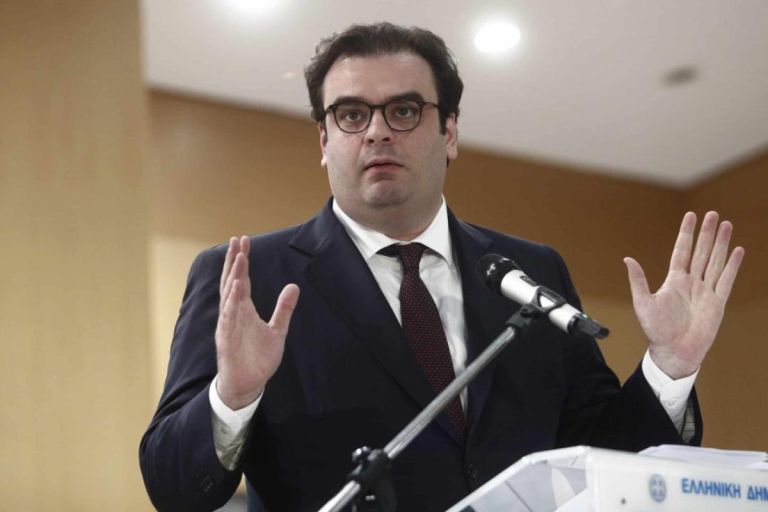
Πηγή Φωτογραφίας: eurokinissi//Greece to Repay €6.9bn Debt Early: Pierrakakis Signals Bold Fiscal Turnaround



Greece is set to proceed with an early repayment of €6.9 billion in public debt this June, marking one of the most significant fiscal moves in recent years and reinforcing its strategy of sustained debt reduction and market credibility.
According to Finance Minister Kyriakos Pierrakakis, speaking to Reuters, the country is continuing its policy of early repayments as part of a broader effort to improve debt sustainability and strengthen its position in international capital markets.
A strategic signal to markets
The decision is not merely technical but deeply strategic. By accelerating repayments, Greece aims to demonstrate that its public finances are firmly under control, sending a clear message to investors and credit rating agencies that the post-crisis era is structurally consolidated.
The move fits into a long-term framework targeting a gradual reduction of the debt-to-GDP ratio toward around 130% by 2027, supported by disciplined fiscal performance and favorable borrowing conditions.
From crisis legacy to fiscal discipline
Greece’s debt management strategy has evolved significantly since the sovereign debt crisis. What was once a symbol of systemic fragility is now being reframed as a case study in active liability management and institutional fiscal recovery.
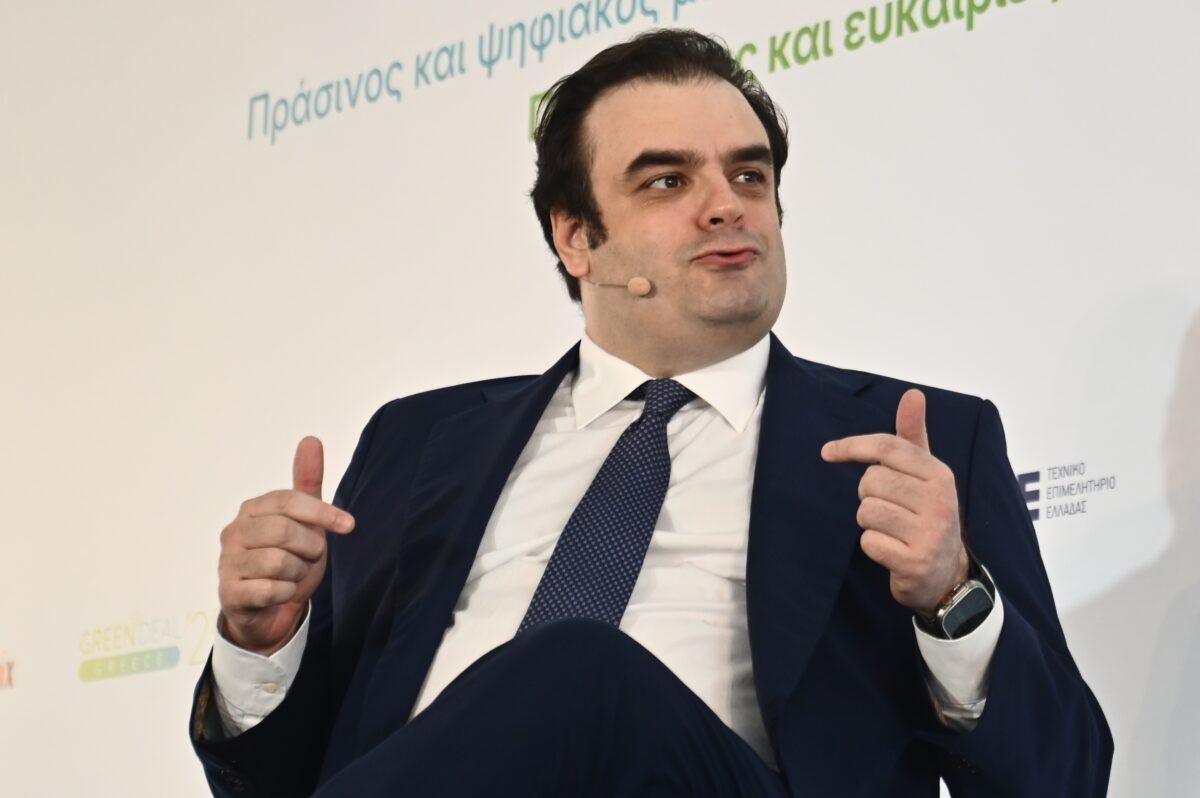
Key drivers behind the strategy include:
- Sustained primary budget surpluses
- Low-cost refinancing conditions in European markets
- Proactive debt restructuring and early repayment mechanisms
“Quiet engineers” of the recovery
Finance officials have emphasized the role of Greece’s debt management authority as a critical but often understated actor in the country’s economic normalization. Its work has been central in extending maturities, reducing refinancing risks, and stabilizing long-term debt servicing costs.
Political and economic signaling
Beyond the balance sheet, the early repayment carries clear political and symbolic weight. It reflects an attempt to reposition Greece from a crisis-hit economy to a predictable, investment-grade fiscal actor within the Eurozone framework.
However, economists caution that debt reduction alone is not sufficient. Structural growth, productivity gains, and investment-driven expansion remain essential to ensure long-term sustainability.
The broader challenge ahead
While the €6.9 billion repayment underscores fiscal strength, the key question is whether Greece can translate macroeconomic stability into broad-based economic growth and rising living standards.
The country’s next phase will depend on its ability to:
- Sustain investment inflows
- Strengthen productive capacity
- And maintain fiscal discipline without constraining growth
In an uncertain global environment, Greece is aiming to redefine its economic identity — from high-risk borrower to disciplined, forward-looking European economy.
Source: pagenews.gr
Διαβάστε όλες τις τελευταίες Ειδήσεις από την Ελλάδα και τον Κόσμο