A historical dispute that remained unresolved for more than a century is now entering its final stage.
Greece and Bulgaria are implementing a cultural and diplomatic agreement concerning objects of exceptional historical and religious significance to both countries.
A total of 48 religious artifacts are returning to Greece from the Monastery of Panagia Eikosifoinissa, the Monastery of Timios Prodromos in Serres, and the Holy Metropolis of Serres and Nigrita. The objects were removed and taken to Sofia in 1917, during the First World War, and have since remained in Bulgaria.
Official handover in Thessaloniki on Saturday
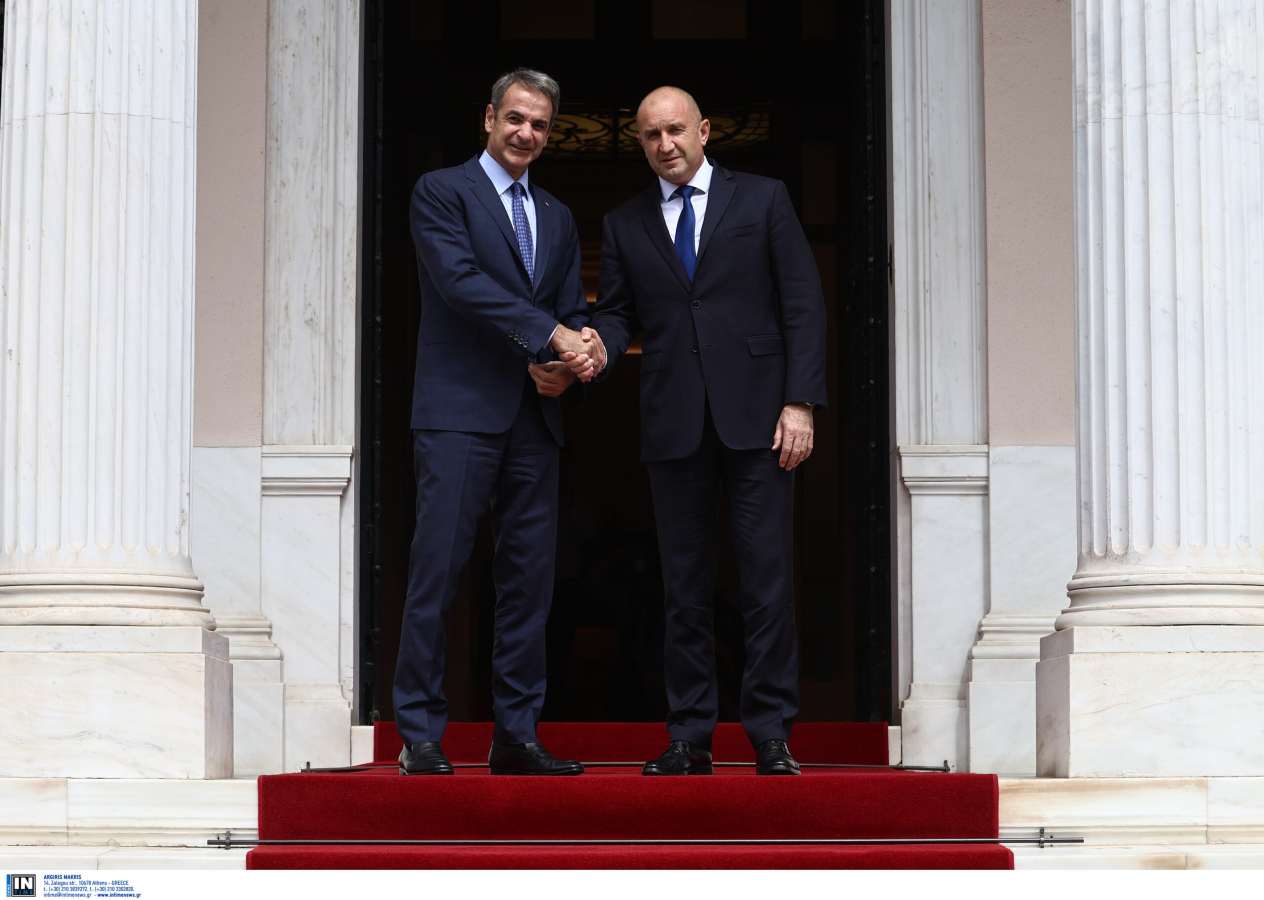
The relevant protocols are expected to be signed on Saturday, October 3, at the Museum of Byzantine Culture in Thessaloniki, in the presence of Greek Prime Minister Kyriakos Mitsotakis and Bulgarian President Rumen Radev.
The ceremony carries considerable political significance because this is not simply a museum transfer.
It marks the conclusion of lengthy negotiations between the two countries over objects tied to national memory, ecclesiastical history and bilateral relations.
The discussions had reportedly been taking place behind the scenes for more than a decade.


Mitsotakis to personally deliver the treasures to the monasteries
After Greece formally receives the artifacts from the Bulgarian side, they will not immediately be returned to their final destinations.
They are expected to remain on temporary display at the Museum of Byzantine Culture in Thessaloniki until early November.
After that, the prime minister is expected to personally deliver them to the religious institutions from which they originated:
- the Monastery of Timios Prodromos in Serres,
- the Monastery of Panagia Eikosifoinissa,
- and the Holy Metropolis of Serres and Nigrita.
The direct involvement of Mitsotakis gives the final stage of the agreement additional political symbolism.
What Greece is returning to Bulgaria
The agreement is reciprocal.
Greece will hand over to Bulgaria the remains discovered in 1965 at the Basilica of Agios Achillios by professor Nikolaos Moutsopoulos and identified as belonging to Tsar Samuel of Bulgaria, along with other anthropological material found in the four sarcophagi at the site.
The remains had been kept in recent years at the Museum of Byzantine Culture in Thessaloniki.
Why the agreement carries such symbolic weight
The return of the artifacts is about more than cultural heritage.
It also closes a historical issue that has carried particular importance for the local communities of Eastern Macedonia and Serres.
The Church of Serres had repeatedly raised the issue of repatriation, arguing that the return of the treasures was a matter of historical justice and local memory.
Earlier this year, the Metropolitan of Serres had raised the issue directly with Kyriakos Mitsotakis, with the prime minister indicating that it ranked high on the government’s diplomatic agenda.
From 1917 to 2026
The timeline itself tells much of the story.
The treasures were taken to Sofia in 1917.
They are returning in 2026.
One hundred and nine years later.
That is what gives the agreement greater significance than a simple bilateral cultural arrangement.
The process does not end here
The deal does not resolve every historical issue between the two countries.
Athens and Sofia have also agreed to continue discussions on the identification and possible inclusion in future agreements of other objects of mutual historical interest not covered by the present arrangement.
The current settlement could therefore serve as a precedent for additional cultural returns.
Cultural diplomacy with a wider political impact
The agreement also highlights a broader dimension of Greek-Bulgarian relations.
Bilateral ties are not limited to:
energy,
transport,
security,
or the Western Balkans.
Cultural diplomacy can also serve as a tool for building trust around issues that have remained politically and emotionally sensitive for decades.
Athens is returning to Sofia an object of exceptional importance to Bulgarian historical identity.
Sofia is returning to Greece ecclesiastical treasures directly connected to monasteries and local religious memory.
That is what makes the agreement politically significant:
this is not simply an exchange of objects — it is an exchange of historical trust.
Source: pagenews.gr