Bulgaria in Political Turmoil: High-Stakes Election Pits EU Alignment Against Pro-Russian Shift
 ΧΡΟΝΟΣ ΑΝΑΓΝΩΣΗΣ 4 '
Πηγή Φωτογραφίας: AP Bulgaria in Political Turmoil: High-Stakes Election Pits EU Alignment Against Pro-Russian Shift



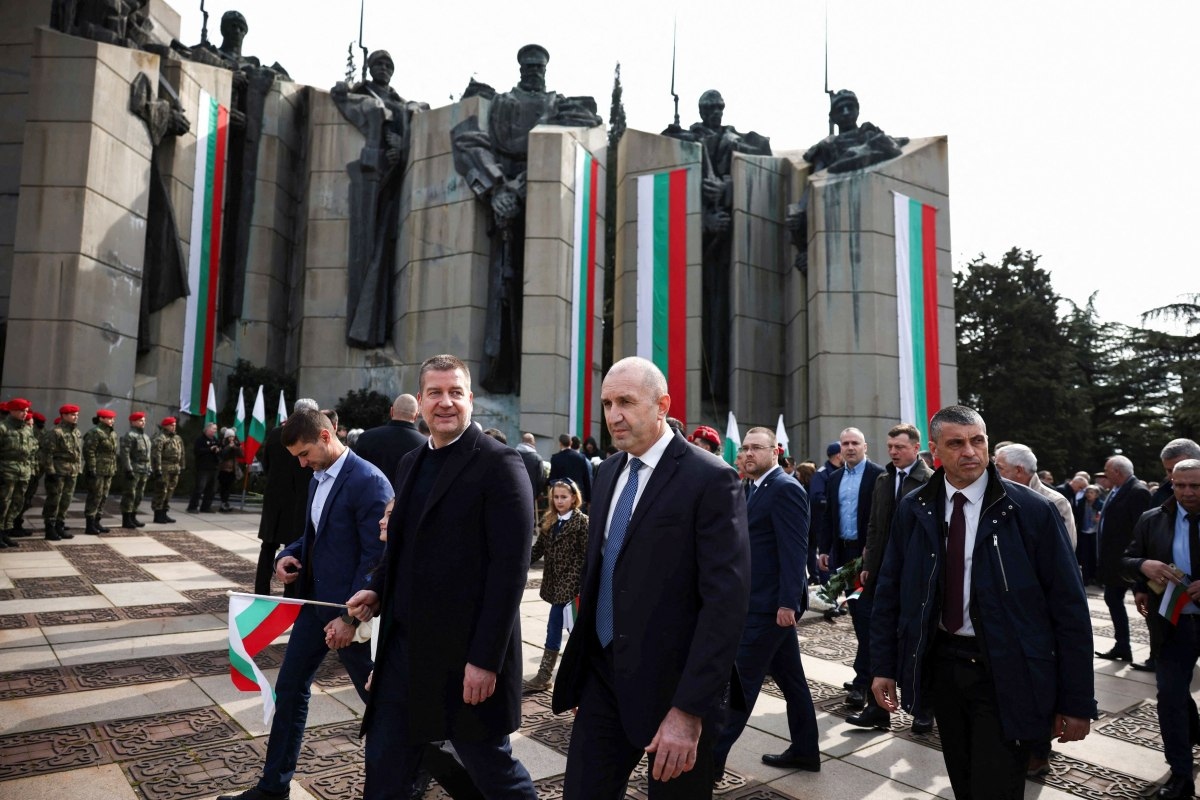
Bulgaria heads to the polls this Sunday for the eighth time in just five years, a stark indicator of the country’s deepening political crisis and institutional fragility. At the center of this election stands Rumen Radev, a former air force commander and president who resigned earlier this year to run for prime minister—and who is now leading in the polls with roughly 30%.
This election is shaping up to be more than a domestic contest; it could redefine Bulgaria’s geopolitical trajectory.
A Crisis of Trust and Governance
Years of unstable coalition governments have eroded public confidence in Bulgaria’s political system. The resignation of the government in December, following mass protests over corruption and fiscal policy, underscored the depth of dissatisfaction.
Corruption remains a persistent issue. According to Transparency International, Bulgaria ranked among the lowest in the EU in its 2025 corruption index, highlighting systemic governance challenges.
Experts warn that entrenched patronage networks and vote-buying practices continue to distort the democratic process, further weakening institutional legitimacy.
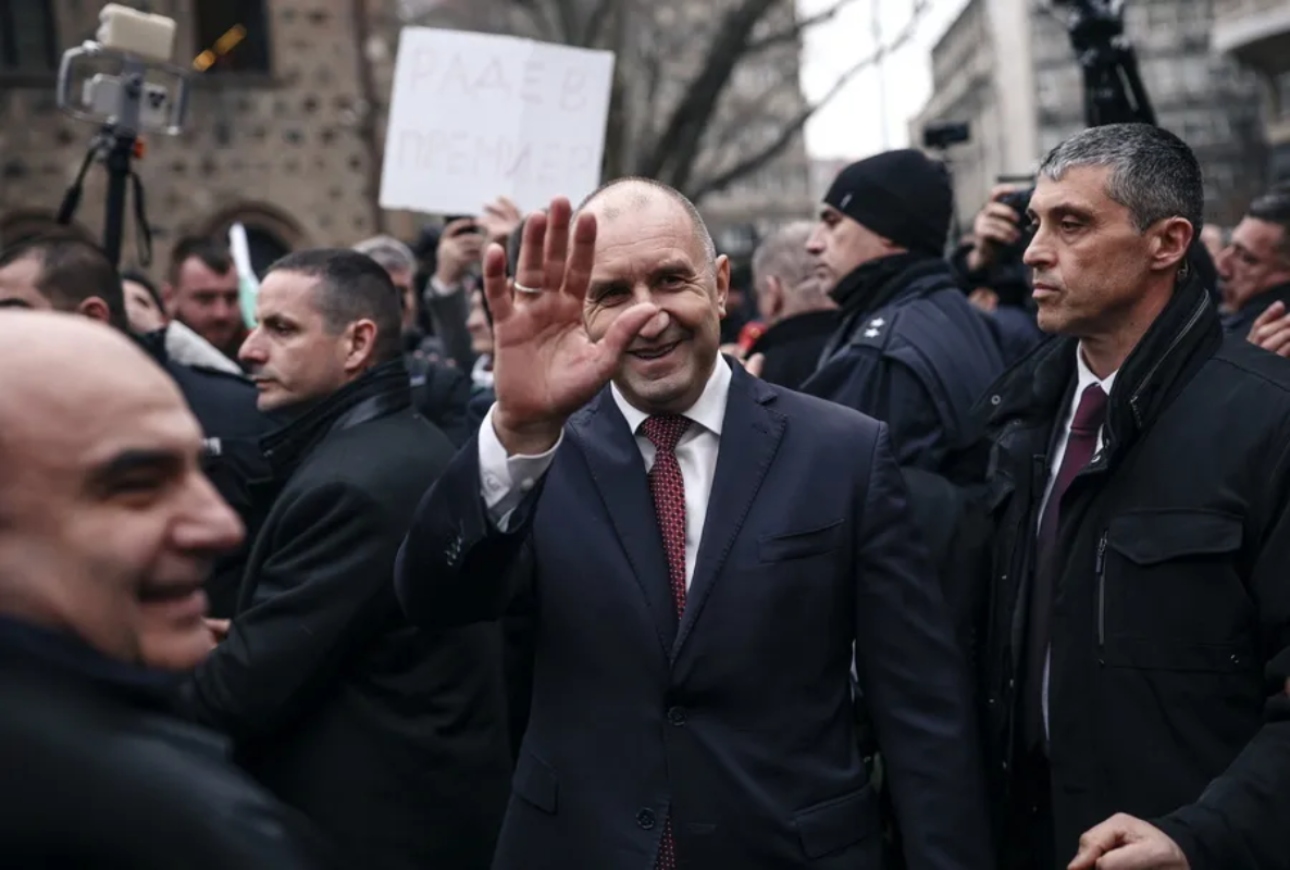
Radev: Anti-Corruption Reformer or Strategic Disruptor?
Rumen Radev has positioned himself as an anti-establishment figure promising to dismantle oligarchic influence:“We will dismantle the oligarchic model and fight the mafia.”
Yet his foreign policy stance has raised alarm in Brussels. Radev has openly criticized:
- Bulgaria’s adoption of the euro
- military cooperation with Ukraine
- EU sanctions and hardline policies toward Russia
“Bulgaria can be a bridge to restore relations with Russia.”
Such rhetoric places him closer to leaders like Viktor Orbán, fueling speculation that Bulgaria could become another dissenting voice within the European Union.
East vs West: The Geopolitical Stakes
The election highlights a broader strategic divide. Pro-European parties advocate:
- deeper EU integration
- alignment with NATO and Ukraine
- continued distancing from Moscow
In contrast, Radev promotes a more “sovereign” foreign policy, emphasizing national interests and reopening dialogue with Russia.
This divide mirrors societal fault lines:
- urban vs rural populations
- pro-EU vs Eurosceptic voters
- generational differences
Coalition Deadlock Likely
Despite his lead, Radev is unlikely to secure an outright majority. Forming a government will require coalition partners—many of whom are wary of his geopolitical stance.
Key parties have already ruled out cooperation, raising the prospect of yet another fragile coalition or prolonged deadlock.
As one analyst noted:“The real question is not who wins, but who can actually govern.”
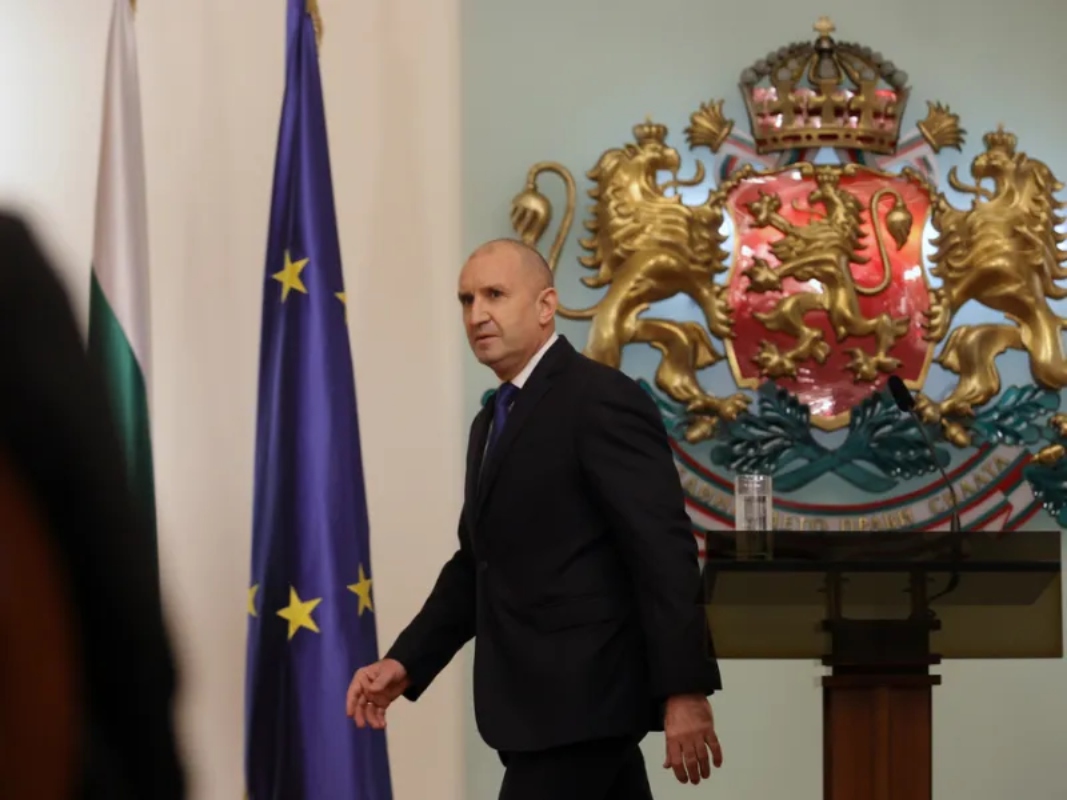
Elections Under Scrutiny
The vote takes place under heightened monitoring, amid:
- allegations of vote-buying
- arrests linked to electoral fraud
- concerns over online disinformation, including from external actors
Radev has dismissed such concerns:“No one from outside can tell us how to vote. This is decided by the Bulgarian people.”
Russia, for its part, denies any interference.
A Defining Moment
This election is not just about forming a government. It is a pivotal moment that will determine:
- Bulgaria’s democratic resilience
- the balance of influence between the EU and Russia
- the future cohesion of European policy in the Balkans
As Bulgaria stands at a geopolitical crossroads, the outcome could resonate far beyond its borders.
Source: pagenews.gr
Διαβάστε όλες τις τελευταίες Ειδήσεις από την Ελλάδα και τον Κόσμο