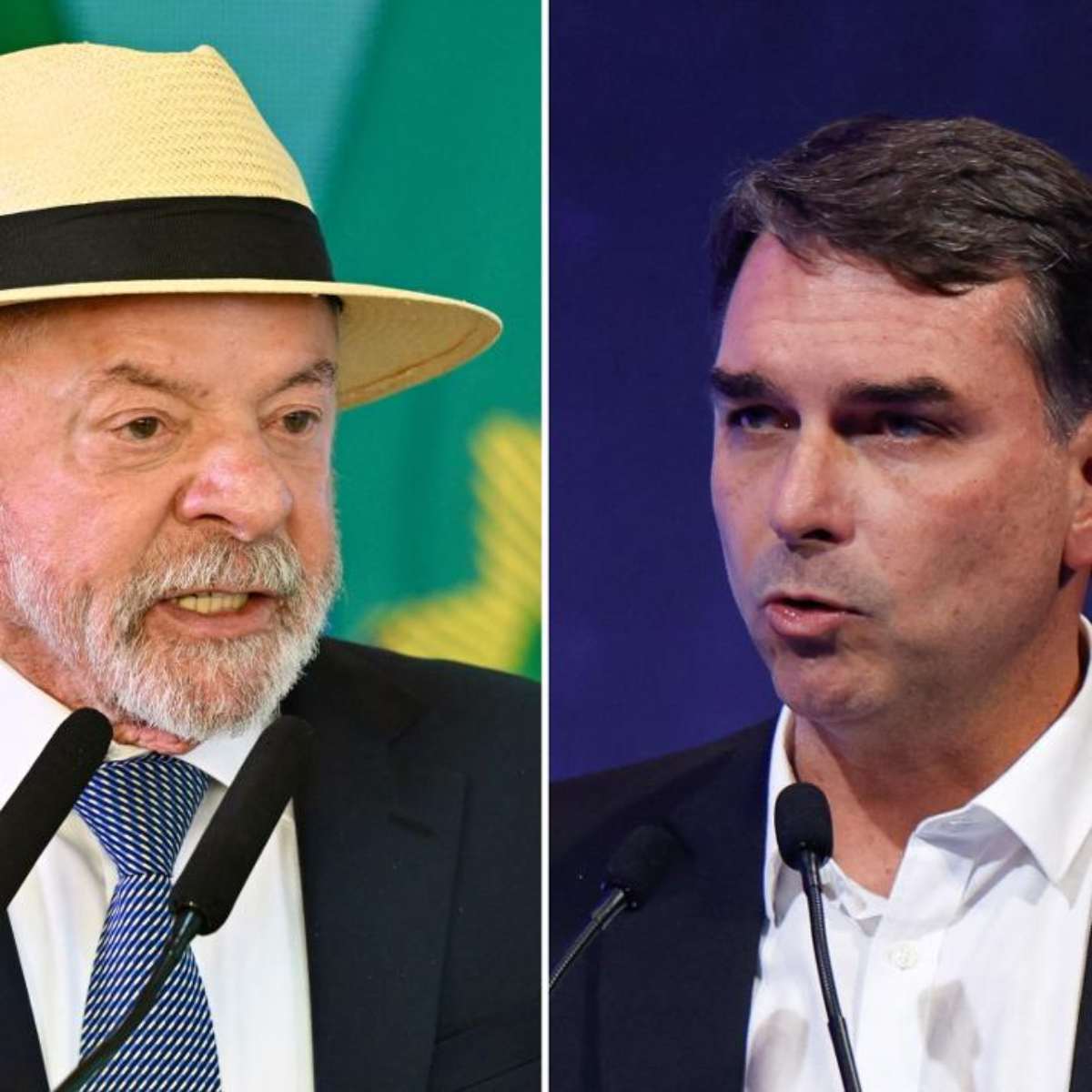
“No one is required to like the president-elect, but he must govern for everyone.”
Luiz Inácio Lula da Silva greeted his reelection with a message of unity. His opponent, Flávio Bolsonaro, refused to concede and sought to have the result annulled, citing an extension of voting hours. According to the Associated Press, both candidates had requested additional voting time because of transport problems and severe weather.
Lula secured 51.79% and 64,256,232 votes, against Bolsonaro’s 48.21% and 59,826,041 votes, according to Brazil’s Superior Electoral Court, the TSE. His winning margin was approximately 4.43 million votes.
The result delivers an unprecedented fourth presidential term. It also marks the first time since Brazil’s return to democracy that the runner-up in the first round has overtaken the leading candidate in the runoff. Flávio had won 47.03%in the opening round, compared with Lula’s 45.16%.
The Polls Showed a Narrow Bolsonaro Advantage
The final Datafolha survey, conducted on October 23–24, gave Flávio Bolsonaro 51% of valid votes, against 49% for Lula. It interviewed 4,050 voters and carried a margin of error of two percentage points.
The institute described the contest as a statistical tie. Bolsonaro’s numerical advantage therefore did not establish a reliable prediction of victory.
Lula’s final result was approximately 2.8 percentage points above Datafolha’s rounded estimate. Assessing that difference requires examining more than sampling error: turnout assumptions, response patterns and possible late changes can also affect polling accuracy.
The surveys captured an open contest. The ballot delivered a clear lead for the incumbent.
The Social Foundations of the Comeback
The final polling also contained clues to Lula’s strength. Datafolha recorded him leading 60% to 40% among lower-income voters and 67% to 33% in northeastern Brazil.
Bolsonaro held advantages in the South and Southeast. The survey also highlighted turnout as a crucial variable: groups inclined to support Lula faced a greater risk of abstention.
The political challenge was to convert preference into participation. Mobilisation mattered particularly for a candidate whose supporters could face practical barriers to reaching polling stations.
Abstention fell to approximately 19.2%, from 21.08% in the first round, according to the TSE. That reinforces the importance of participation, although it does not establish how additional voters distributed their support.


A Campaign Reset: Streets and Digital Mobilisation
Lula’s campaign gained momentum during the runoff through stronger social-media activity and street mobilisation.
Agência Brasil described more direct digital communication with voters and the activation of supporters through online networks.
EFE’s analysis identified a combination of mobilisation, social-policy initiatives and a more aggressive challenge to Bolsonaro. Lula sought to shift attention from dissatisfaction with his government towards the consequences of returning the Bolsonaro movement to the presidency.
Politically, that strategy offered two motivations to vote: support for Lula’s social policies and opposition to his challenger.
“We Will Not Allow Brazil to Be Anyone’s Backyard”
Foreign policy also entered the campaign. Lula portrayed Flávio’s candidacy as risking excessive dependence on Washington.
“We will not allow Brazil to be anyone’s backyard,” he declared at rallies, according to EFE.
The phrase captures a geopolitical dimension of his victory: Lula retains the opportunity to pursue greater Brazilian autonomy in relations with major powers.
That does not imply permanent confrontation with the United States. It suggests, however, that his government will present independence in international decision-making as an important part of its political mandate.
Challenging the Result Does Not Establish Wrongdoing
Flávio Bolsonaro’s refusal to accept defeat moves the confrontation into the institutional arena.
The competent electoral authority has announced the outcome. Any challenge must be assessed through evidence and established procedures. A political allegation does not, by itself, demonstrate that the result was manipulated.
TSE President Kassio Nunes Marques emphasised voters’ central role:
“This night does not belong only to the elected tickets,” he said, stressing that it belonged above all to Brazil’s electorate.
A Fourth Term in a Deeply Divided Country
Victory renews Lula’s presidential mandate. Bolsonaro’s 48.21%, however, demonstrates the scale of the political constituency opposing him.
EFE also noted that Lula will govern alongside a Congress leaning further to the right than four years earlier.
His next term will require negotiations over social commitments, economic credibility and relations with an opposition commanding substantial public support.
The comeback demonstrates Lula’s political resilience. His next test is whether he can turn victory into effective government and reduce tensions in a country that remains deeply divided.
Source: pagenews.gr