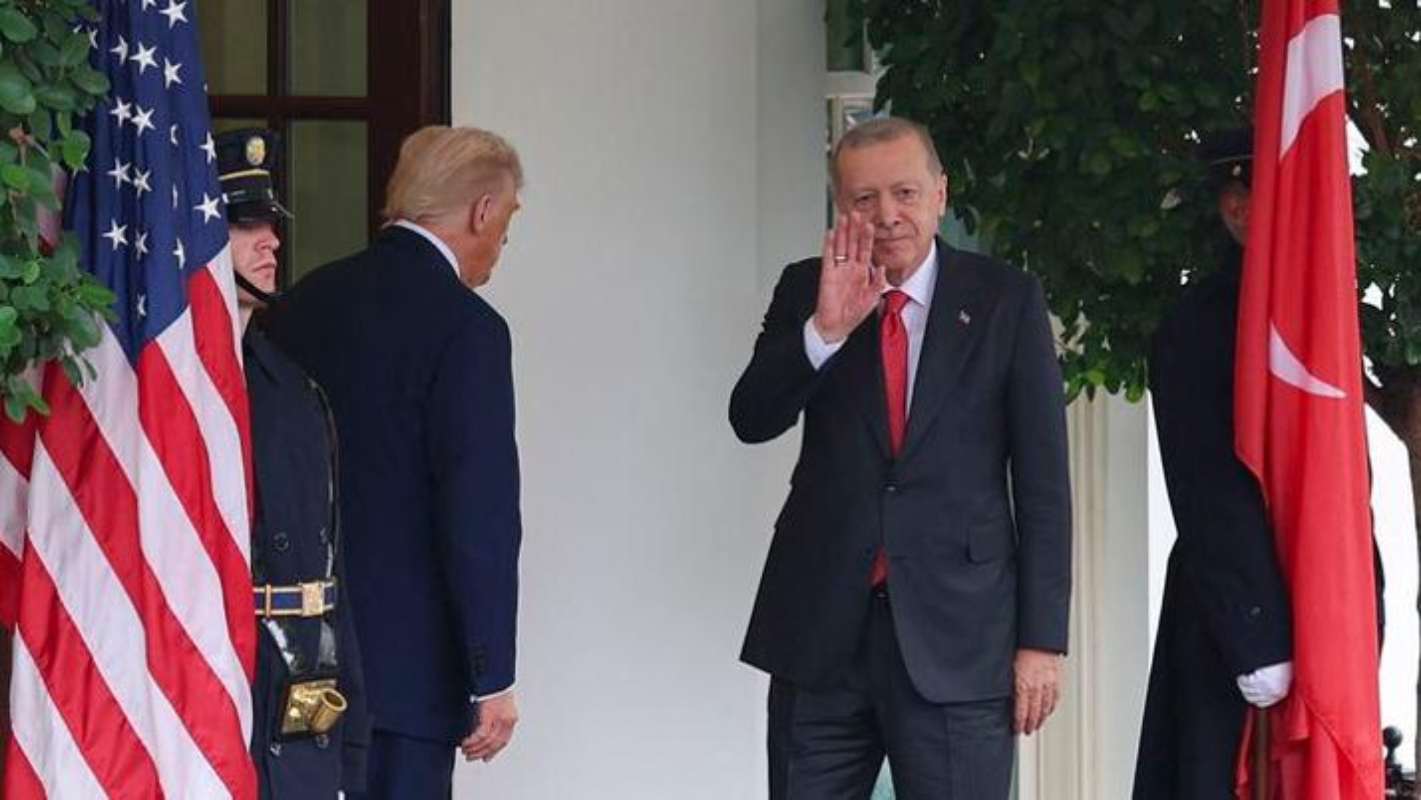
Turkey is pressing ahead with efforts to regain access to F-35 fighter jets and secure relief from US defense sanctions, counting on Donald Trump’s political support and its strategic importance to NATO.
Democratic victories in the midterm elections have introduced another variable. From January 2027, the Trump administration will face a Congress controlled by the opposition, with greater scope to scrutinize its defense and diplomatic decisions.
As Al-Monitor reports, Ankara remains hopeful that an agreement is possible. The central question is whether presidential backing can translate into a workable solution addressing the S-400 and existing legal restrictions.
The S-400 Remains at the Heart of the Dispute
Turkey’s removal from the F-35 program in 2019 followed its acquisition of Russia’s S-400 air-defense system.
Washington’s concerns centered on protecting the fighter’s sensitive technology and preventing intelligence collection that could compromise its capabilities.
The dispute subsequently acquired a legislative dimension. Section 1245 of the US National Defense Authorization Act for fiscal year 2020 imposes specific restrictions on transferring F-35s to Turkey.
Under that framework, the available waiver requires certification to Congress that Turkey no longer possesses the system and associated equipment, alongside additional assurances and conditions.
A political assurance that the S-400 is inactive therefore does not automatically satisfy the requirement that Turkey no longer possess it.
Sanctions Relief and Fighter Deliveries Are Separate Steps
In December 2020, the first Trump administration imposed sanctions under the Countering America’s Adversaries Through Sanctions Act, or CAATSA, on Turkey’s Presidency of Defense Industries, known as SSB, and associated officials over the S-400 purchase.
The measures included restrictions on US export licenses to SSB and sanctions against individuals.
Removing those sanctions and transferring F-35s are politically connected, but they involve separate requirements. A change in sanctions policy would not, by itself, eliminate the restrictions specifically governing the aircraft.
That complicates any attempt to present a potential agreement as the straightforward outcome of personal negotiations between Trump and Recep Tayyip Erdoğan.
What Democratic Control of Congress Changes
The incoming majority could increase pressure for transparency, documentation and strict compliance with existing conditions.
Congressional committees can hold hearings, request information and pursue legislation. Scrutiny of a proposed arms agreement can also impose significant political costs on the White House.
Nevertheless, Democratic control does not amount to an automatic or permanent veto. Lawmakers’ positions vary, and their responses would depend on the substance of any proposal.
The restrictions on F-35 transfers predate the election. The change in congressional control primarily alters the political environment in which the administration might seek to meet—or change—those conditions.
Ankara’s Strategic Value Is Its Main Bargaining Chip
Turkey is betting that its geography and NATO role give Washington an incentive to restore defense cooperation.
For the United States, the relationship encompasses broader security and regional-policy concerns. Negotiations can therefore continue even while the fighter dispute remains unresolved.
The scope for compromise will depend on concrete, verifiable decisions. A broader political rapprochement would not itself demonstrate that the risks behind Turkey’s exclusion have been addressed.
Why Greece Is Watching Closely
For Athens, potential Turkish access to F-35s would matter for long-term air-force planning and the regional military balance.
There is, however, a distinction between political discussions, approval of an agreement and the aircraft’s eventual entry into operational service. Each stage involves separate production, training and support requirements.
Greece’s assessment should therefore focus on formal actions: any S-400 certifications, changes to sanctions, legislative initiatives and specific procurement announcements.
A Congressional Research Service report updated in August 2026 recorded that, despite Trump’s openness to a possible sale, the State Department had informed lawmakers in July that Turkey had “not yet met” the conditions for an F-35 transfer.
Source: pagenews.gr