COP31 Collapse in Türkiye: EU Blames Oil Producers as Guterres Voices Deep Disappointment
 ΧΡΟΝΟΣ ΑΝΑΓΝΩΣΗΣ 5 '
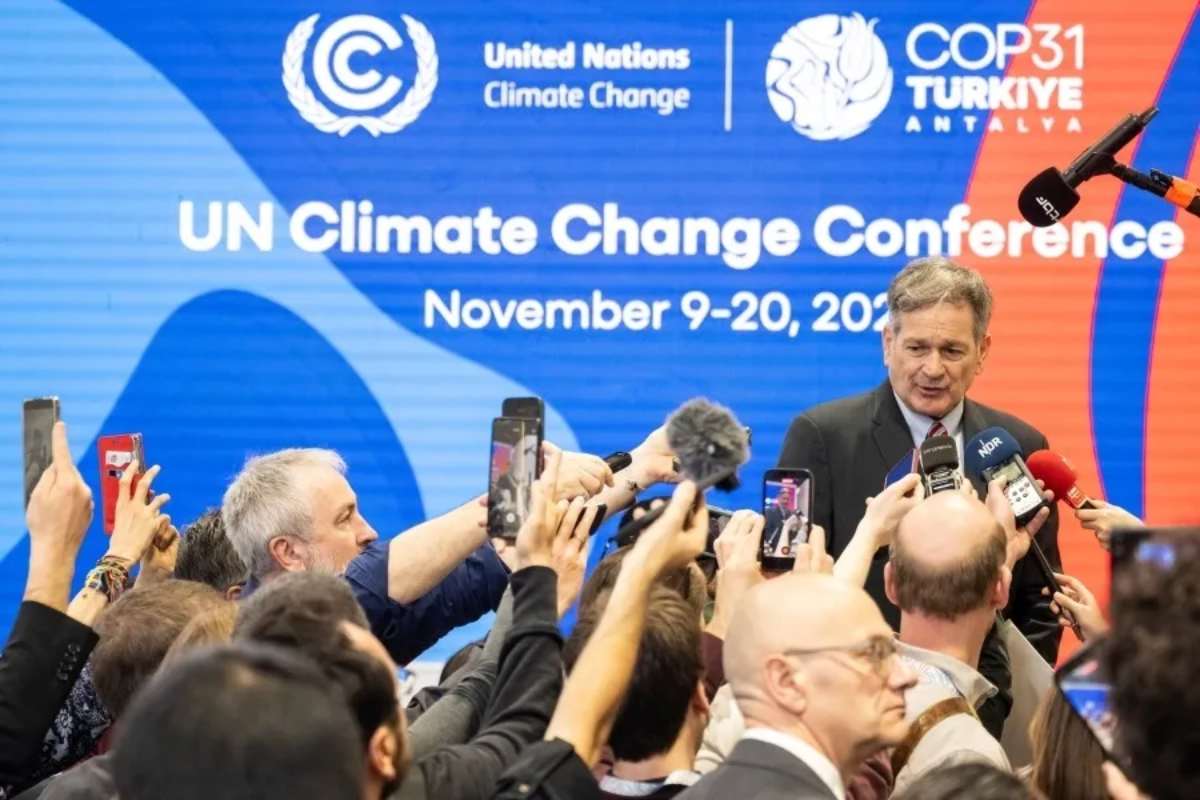
Πηγή Φωτογραφίας: EPA/ALESSANDRO DELLA VALLE



“I believe this COP was held hostage by oil-producing countries.”
Irish Environment Minister Darragh O’Brien’s accusation captured the anger surrounding the collapse of COP31 in Antalya, where governments failed to agree on a final political text after more than two weeks of negotiations and an extended overtime session.
The European Union and other delegations rejected the proposal presented by the Turkish and Australian leadership of the conference, arguing that it offered an inadequate response to the climate crisis.
At the centre of the confrontation was a striking omission: the draft contained no explicit reference to fossil fuels or to transitioning away from them.
Guterres: Fossil fuels drive the climate crisis
UN Secretary-General António Guterres expressed deep disappointment at the outcome.
“I share the deep disappointment of all those who hoped governments would rise to the challenge of the climate crisis,”he said, stressing that “fossil fuels are the driving force behind the climate crisis.”
The failure to secure an overarching agreement exposed the distance between countries demanding stronger commitments to reduce fossil-fuel dependence and producers resisting language that could threaten their economic interests.
It also left unresolved a second major dispute: how to finance climate action, particularly in poorer countries facing mounting adaptation costs.
“There will be no new text”
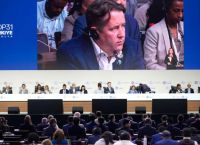
Turkish COP31 President Murat Kurum acknowledged during the closing plenary that there was no consensus and ruled out another draft.
“There is nothing else to do. We did everything we could,” he said.
“From now on, there will be no new text.”
Kurum subsequently left the podium while national representatives were still delivering their statements.
Australia’s Chris Bowen, who led the negotiations, described the outcome as deeply disappointing, identifying disagreements over fossil fuels and climate finance as the principal obstacles.
Europe draws the line
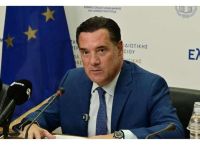
O’Brien, speaking on behalf of the EU as Ireland holds the bloc’s rotating presidency, said the proposed text fell short of what Europe could accept.
“It is inconceivable to have a climate agreement that makes no reference to fossil fuels, no reference to transitioning away from fossil fuels,” he said.
He called for a reset of the UN climate conference process after accusing oil-producing countries of holding the negotiations hostage.
According to observers cited by Reuters, Saudi Arabia and other major oil producers pressed strongly for a text that excluded explicit fossil-fuel language while promoting technologies to remove carbon dioxide from the atmosphere.
Panama also opposed the proposal, arguing that it failed to reflect the scale of the climate emergency.
Carbon removal becomes a battleground
The rejected draft acknowledged that global warming was expected to exceed the internationally agreed temperature threshold and called for faster deployment of carbon-removal technologies to help reverse that overshoot eventually.
Saudi Arabia supported that approach. A representative of its delegation expressed surprise at opposition to technology that, it argued, offered a practical solution.
The dispute concerned how that technology would be used.
Scientists recognise that removing carbon dioxide from the atmosphere can play an important role alongside deep emissions reductions. Critics of the draft feared its wording could instead provide political cover for continued oil and gas production.
Without a clear commitment to reduce fossil-fuel dependence, they argued, future carbon removal risked becoming an excuse to delay action today.
“We must have the courage to say no”
Belgian Environment Minister Jean-Luc Crucke defended rejecting an agreement that countries considered inadequate, despite the diplomatic cost of ending without consensus.
“This is not the end of multilateralism, but we must have the courage to say no,” he said.
For the EU, accepting the draft would have meant endorsing a climate agreement that avoided naming a central cause of the crisis. For its opponents, Europe’s refusal prevented a compromise from being adopted.
O’Brien’s closing assessment left little doubt about the depth of that divide:
“I believe this COP was held hostage by oil-producing countries.”
Source: Reuters and AFP via ANA-MPA.
Διαβάστε όλες τις τελευταίες Ειδήσεις από την Ελλάδα και τον Κόσμο