Manousakis: Europe Must Take Charge of Its Energy Future — IPTO’s Strategic Role in the Post-COP31 Era
 ΧΡΟΝΟΣ ΑΝΑΓΝΩΣΗΣ 6 '
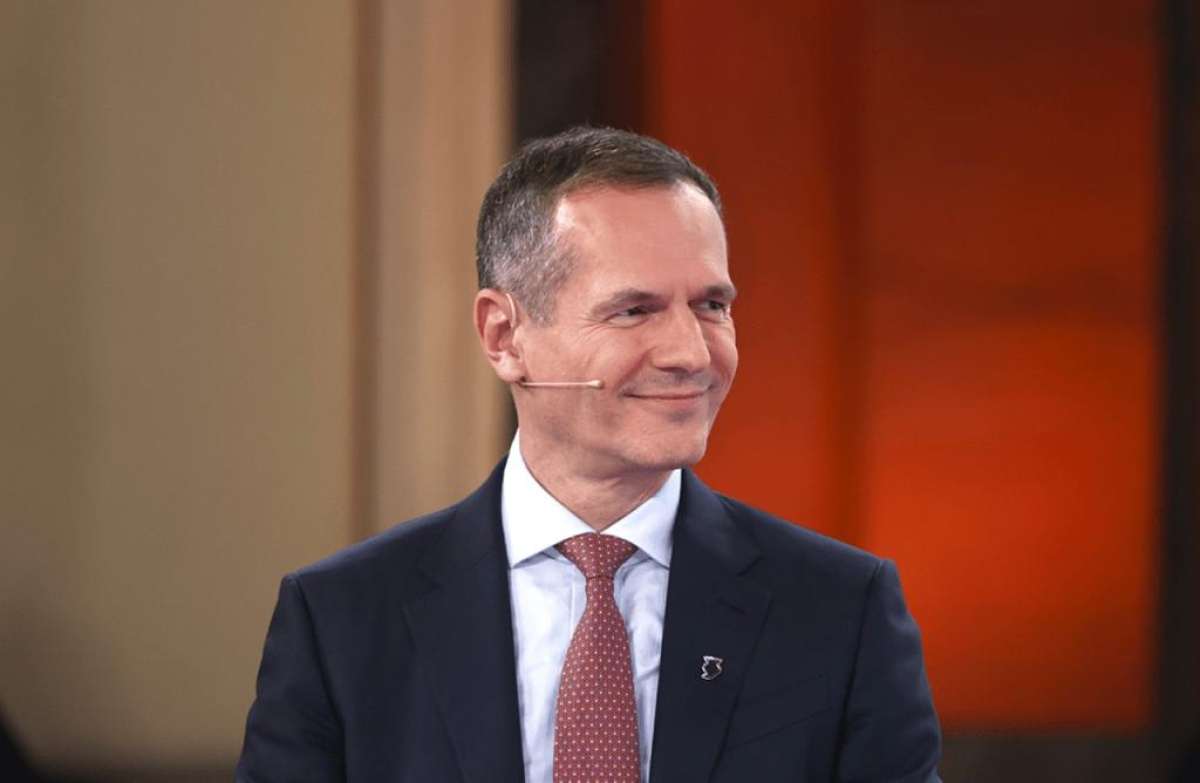
Πηγή Φωτογραφίας: Manos Manousakis – Chairman and CEO of IPTO (Independent Power Transmission Operator)



“We must take responsibility for our energy future.”
With this clear message, Manos Manousakis, Chairman and CEO of Greece’s Independent Power Transmission Operator (IPTO), has intervened in the debate over Europe’s energy future, highlighting the importance of investment in electricity infrastructure, cross-border interconnections and domestic renewable energy resources.
In a LinkedIn post published on November 24, 2026, Manousakis linked the limited progress achieved at COP31 to the urgent need for Europe to accelerate its own energy transformation.
“COP31 failed to deliver the progress needed to address climate change. For Europe, the message is clear: we must take responsibility for our energy future,” he stated.
His intervention highlights a fundamental challenge facing European energy policy: ambitious climate targets cannot deliver their full economic and environmental benefits without the infrastructure needed to support them.
Three Priorities for Europe’s Energy Future
Manousakis identifies three clear priorities that connect the energy transition with economic growth, industrial competitiveness and European strategic autonomy:
- Reducing energy costs for households and businesses.
- Strengthening energy security through greater reliance on domestic energy resources.
- Restoring European industrial competitiveness amid intensifying global competition.
These objectives are closely interconnected. Access to affordable and reliable electricity is essential for attracting investment, supporting industrial production and strengthening Europe’s economic resilience.
At the same time, greater reliance on domestic renewable energy sources can reduce Europe’s exposure to international fossil fuel price fluctuations and external supply disruptions.
Stronger Electricity Grids Are Essential to the Energy Transition
Manousakis identifies electrification, supported by domestic renewable energy generation, as a key instrument for achieving Europe’s strategic objectives.
“Electrification, based on domestic renewable energy sources, is essential to achieving these goals. It requires stronger electricity grids, more interconnections and a truly integrated European electricity market,” he noted.
His remarks address one of the most pressing challenges facing the European energy sector: ensuring that investment in electricity transmission infrastructure keeps pace with the expansion of renewable generation.
Without sufficient grid capacity, increasing electricity production from wind and solar installations may not translate into the full utilization of available clean energy.
Stronger transmission networks and cross-border interconnections can facilitate electricity flows between regions with surplus generation and markets experiencing higher demand, improving energy security and reducing infrastructure bottlenecks.
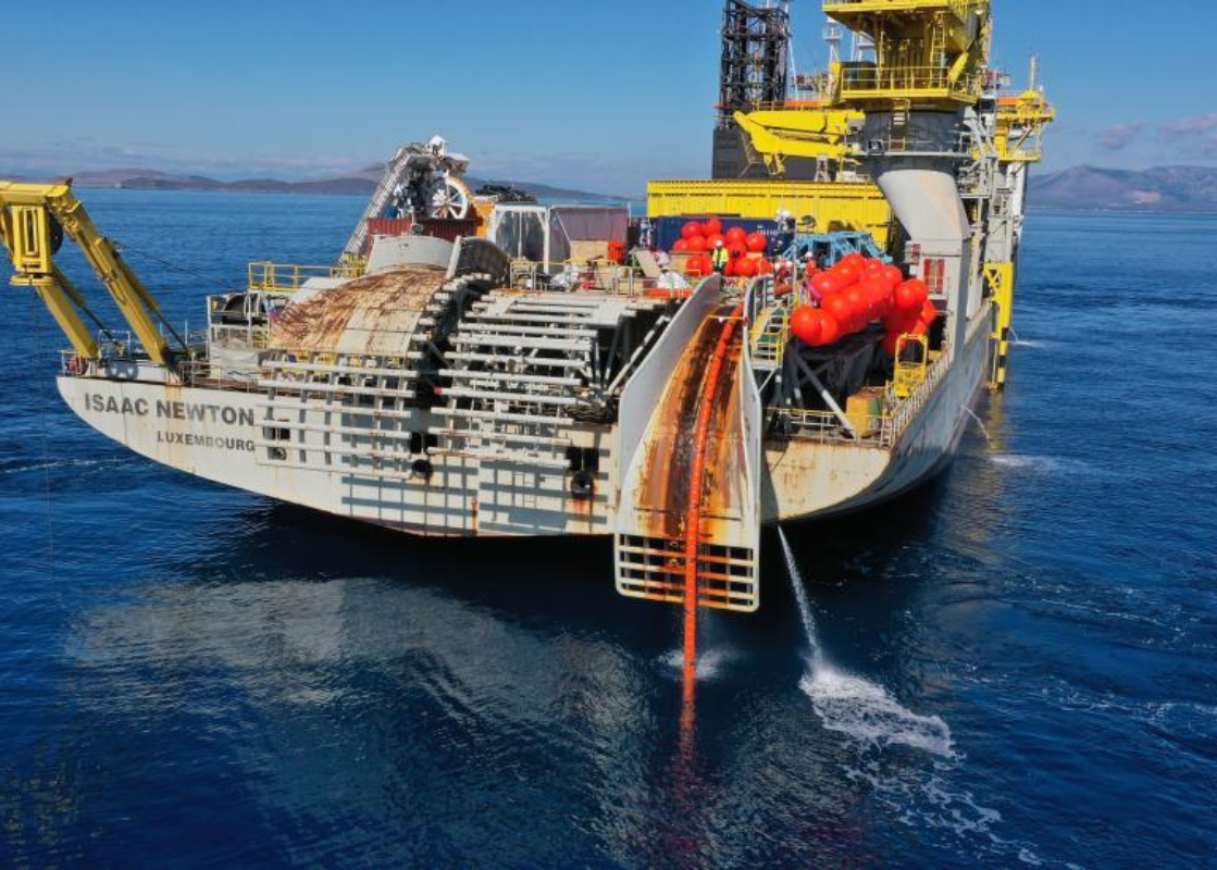
IPTO: Turning European Energy Priorities Into Infrastructure
A central element of Manousakis’ intervention is IPTO’s contribution to the implementation of Europe’s energy objectives.
“At IPTO, we are investing in the expansion and modernization of Greece’s transmission network and developing international interconnections that contribute to achieving these European priorities,” he emphasized.
This investment strategy highlights Greece’s potential to strengthen its position as an energy hub in Southeastern Europe and the Eastern Mediterranean.
The expansion of electricity interconnections can enhance Greece’s participation in regional energy markets, support the integration of renewable generation and contribute to the diversification of energy supplies.
Under Manousakis’ leadership, IPTO’s infrastructure strategy extends beyond the modernization of Greece’s domestic transmission system, encompassing projects that can contribute to a more interconnected European electricity market.
Industrial Competitiveness Depends on Energy Infrastructure
Manousakis’ intervention is particularly relevant to the debate surrounding Europe’s industrial competitiveness and electricity costs.
European businesses require not only sufficient electricity supplies but also predictable, reliable and competitive energy prices.
A more integrated European electricity market can facilitate cross-border trading, reduce transmission constraints and improve the utilization of available energy resources.
While stronger grids alone cannot guarantee lower electricity bills, they are an essential component of a more efficient and resilient energy market.
By placing electricity infrastructure at the center of the debate, Manousakis connects Europe’s climate ambitions with the practical requirements of industrial production, investment and economic growth.
Greece’s Strategic Position in the European Energy Landscape
IPTO’s investment strategy also reflects Greece’s growing potential to contribute to regional energy integration.
Modern transmission networks and international electricity interconnections can strengthen the country’s position within the European energy system while supporting the broader development of renewable energy resources.
For Southeastern Europe and the Eastern Mediterranean, greater electricity connectivity offers opportunities to diversify supply, improve system resilience and facilitate cross-border energy cooperation.
Manousakis’ emphasis on infrastructure highlights how national transmission operators can contribute to European objectives through concrete investment projects.
Beyond COP31: Europe’s Energy Future Will Be Built Through Infrastructure
The most compelling message of Manousakis’ intervention lies in his closing remarks, which underline the importance of moving beyond international commitments toward tangible infrastructure development.
“Europe’s energy future will depend not only on the targets we set, but also on the grids we build to achieve them.”
At a time when Europe is seeking to reconcile decarbonization with economic competitiveness and energy security, Manousakis’ approach places infrastructure investment at the center of the solution.
International electricity interconnections, modern transmission networks and the effective utilization of domestic renewable energy resources are essential instruments for transforming European ambitions into measurable results.
Through its investment strategy, IPTO is positioning Greece to play an active role in shaping Europe’s emerging energy landscape.
The message from Manousakis is clear: Europe’s energy independence will not be secured through declarations alone. It will depend on the infrastructure it builds, the markets it connects and the investments it delivers.
Source: pagenews.gr
Διαβάστε όλες τις τελευταίες Ειδήσεις από την Ελλάδα και τον Κόσμο