


Lavrov’s 1921 Admission and the Forgotten Geopolitics Behind the Asia Minor Catastrophe
 ΧΡΟΝΟΣ ΑΝΑΓΝΩΣΗΣ 5 '
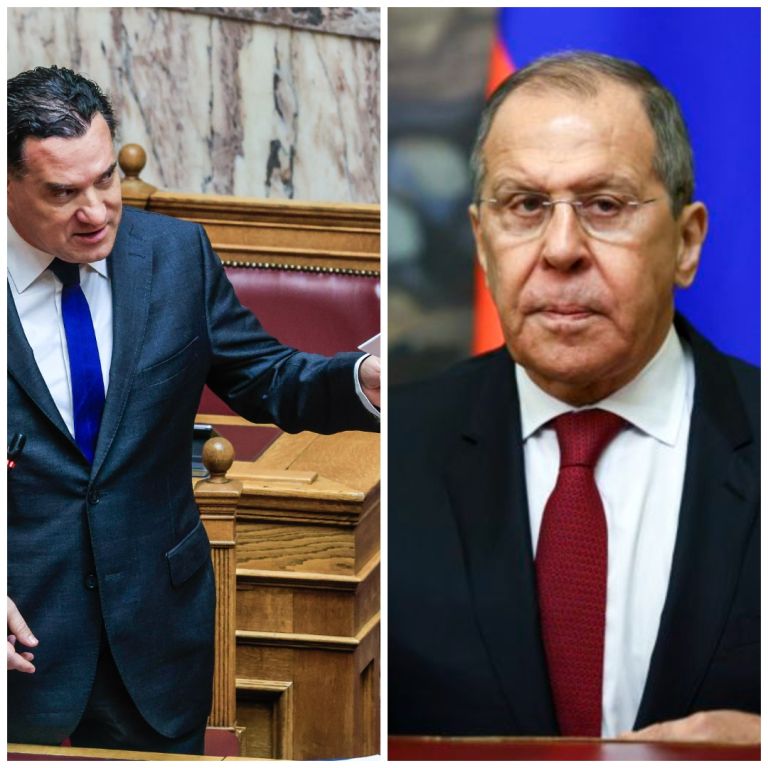
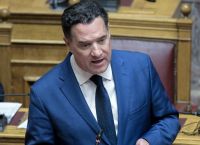
Πηγή Φωτογραφίας: eurokinissi//Lavrov’s 1921 Admission and the Forgotten Geopolitics Behind the Asia Minor Catastrophe



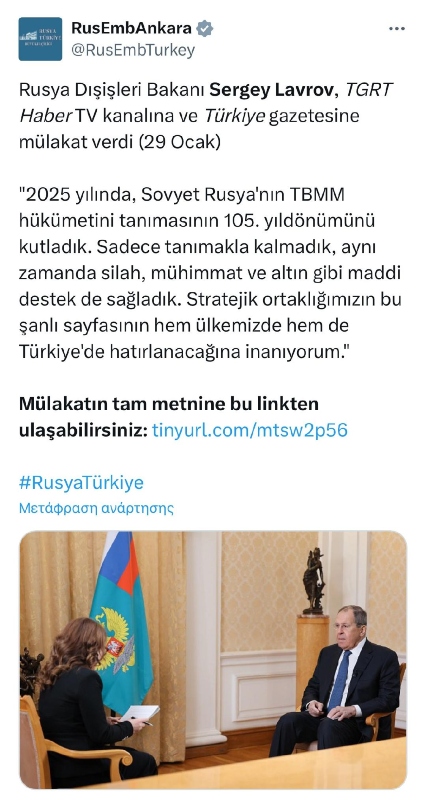
“In 2025, we celebrated the 105th anniversary of the recognition of the government of the Grand National Assembly of Turkey by Soviet Russia. We did not limit ourselves to recognition alone, but also provided material assistance, such as weapons, ammunition, and gold.” — Sergey Lavrov, Foreign Minister of the Russian Federation
When senior officials speak casually about history, they often reveal more than intended. Sergey Lavrov’s recent public statement on Soviet support for the Turkish nationalist movement in 1921 is one such moment. Far from being a footnote, his words amount to an explicit acknowledgment of material military and financial assistance to Mustafa Kemal’s forces at a critical juncture in the post-Ottoman power struggle.
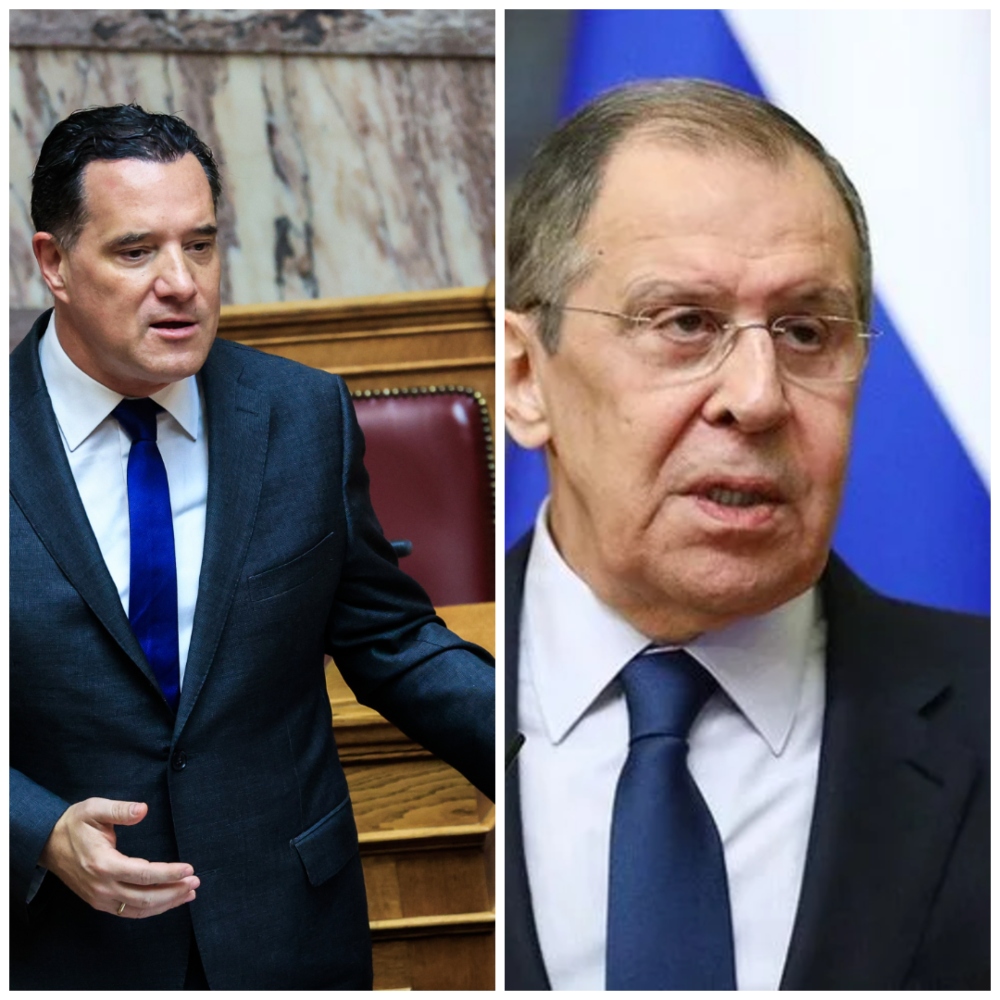
This admission has prompted renewed debate in Greece, most notably through a public intervention by Greek politician Adonis Georgiadis, who framed Lavrov’s remarks not as historical nostalgia, but as a reminder of how great-power decisions directly shaped the outcome of the Asia Minor conflict.
The facts themselves are not new to historians. What is new is the tone and pride with which they are now being reiterated by Russia’s foreign minister. Lavrov does not speak of passive diplomatic recognition. He refers plainly to weapons, ammunition, and gold supplied by Soviet Russia to the Ankara government in 1921.
The timing matters.
In 1921, the Greek army remained deployed deep in Anatolia, operating under increasingly unfavorable international conditions. By 1922, the military balance had shifted decisively, culminating in the collapse of the Greek front and the mass displacement of Greek populations from Asia Minor—an event remembered in Greece as the Asia Minor Catastrophe.
Georgiadis’ intervention underscores a key point often absent from international discussions: the catastrophe was not solely the result of local military errors or nationalist momentum, but also of deliberate external support provided by emerging powers pursuing their own strategic interests.
From a broader geopolitical perspective, Soviet support for Kemal’s movement was logical. Moscow sought to undermine Western influence in Anatolia, weaken post-Versailles arrangements, and cultivate a strategic partner on its southern flank. The cost of that strategy, however, was borne by populations on the ground—most notably the Greek communities of Asia Minor.
Lavrov’s framing of this episode as a “glorious page” of Russian-Turkish cooperation highlights a deeper issue: how major powers remember—and selectively reinterpret—their historical interventions, while smaller states are often left to absorb the long-term consequences.
The renewed attention to this episode comes at a moment when history is once again being mobilized in contemporary geopolitics. Russia’s current rhetoric about spheres of influence, strategic depth, and historical entitlement echoes patterns familiar from the early 20th century. In this context, revisiting past interventions is not an academic exercise, but a matter of political relevance.
The significance of Georgiadis’ response lies less in accusation than in insistence: that historical memory should not be sanitized for diplomatic convenience. When states openly acknowledge their role in shaping violent outcomes, silence from those affected ceases to be a virtue.
Lavrov’s statement reopened a historical file many assumed closed. The reaction it provoked demonstrates that the geopolitics of 1921 still resonate in 2025.
For international audiences, the lesson is straightforward: the formation of modern states was rarely a purely internal process. It was, and remains, the product of external interventions whose consequences extend far beyond the moment of decision.
Εδώ ο Ρώσος ΥΠΕΞ αναγνωρίζει επισήμως και υπερηφανεύεται μάλιστα για το ότι πριν από 105 χρόνια, δηλαδή το 1921, η ΕΣΣΔ όχι μόνον αναγνώρισε την Τουρκική Εθνοσυνέλευση δηλ την Τουρκία του Κεμάλ, αλλά ότι την εξόπλισε με πολλά όπλα. Ενα χρόνο μετά με αυτή την αποστολή των όπλων… https://t.co/uj91HMvY4K
— Άδωνις Γεωργιάδης (@AdonisGeorgiadi) January 31, 2026
Source: pagenews.gr
Διαβάστε όλες τις τελευταίες Ειδήσεις από την Ελλάδα και τον Κόσμο






Το σχόλιο σας