Adonis: “A Lesson in National Unity from Israel” – Cyprus and Strategic Responsibility
 ΧΡΟΝΟΣ ΑΝΑΓΝΩΣΗΣ 4 '
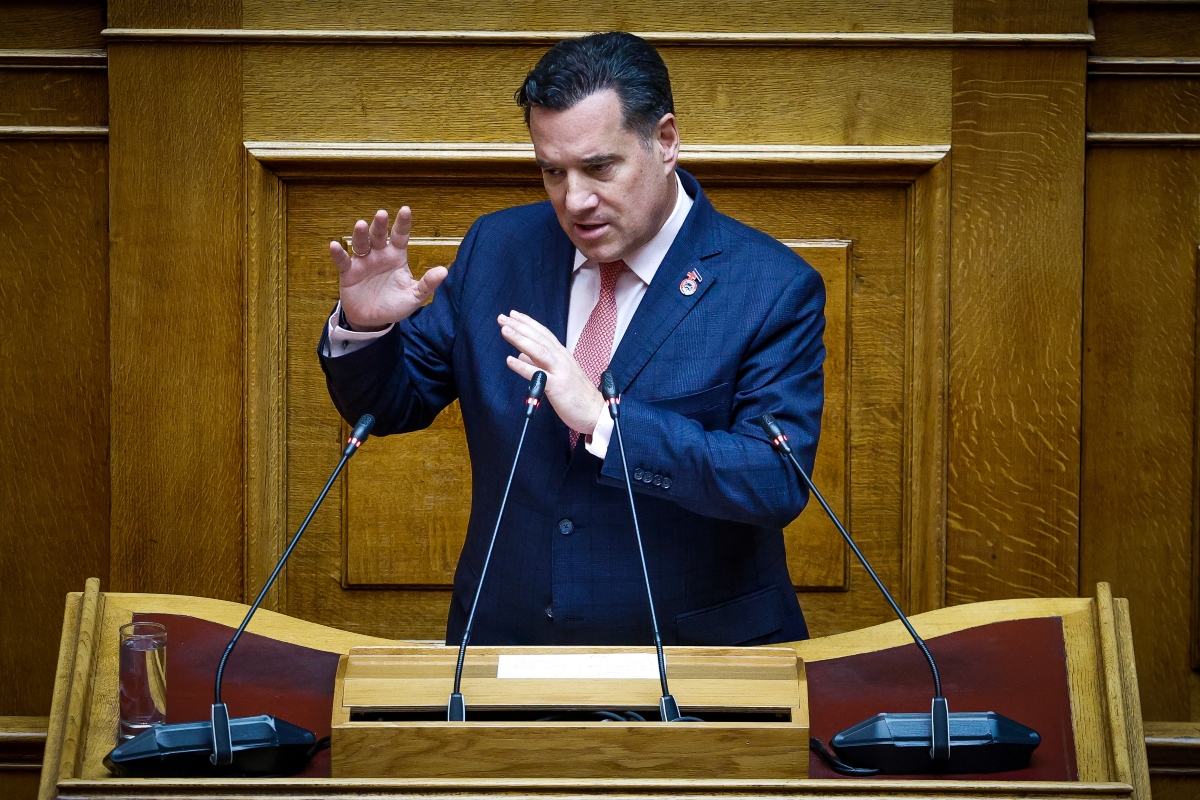
Πηγή Φωτογραφίας: eurokinissi//Adonis: “A Lesson in National Unity from Israel” – Cyprus and Strategic Responsibility



At a time of mounting geopolitical volatility in the Middle East, Adonis Georgiadis intervened publicly, using the example of Israel to frame what he describes as a defining test for national political systems: unity in moments of existential pressure.
Referring to Israel’s operation against Iran, Georgiadis highlighted the stance of opposition leader Yair Lapid, who—despite fierce political clashes with Prime Minister Benjamin Netanyahu—publicly declared support for Israel’s security forces.
“This is how great nations are made. When the homeland’s interest is at stake, political differences take a back seat,”Georgiadis stressed, setting the tone for a broader political argument.
The Israeli Model: Fierce Politics, Strategic Consensus
Israel is widely regarded as one of the most politically polarized democracies. Netanyahu has faced intense opposition, legal battles, and public protests. Yet, in matters of national security, a baseline consensus often emerges.
Lapid’s declaration—“We are united behind the pilots, fighters and security forces”—was not merely symbolic. It projected deterrence externally and cohesion internally.
According to Georgiadis’ perspective, this distinction separates states with strategic depth from those trapped in short-term partisan conflict.
The Greek Implication: Cyprus and Strategic Credibility
Georgiadis explicitly linked Israel’s example to the decision by Prime Minister Kyriakos Mitsotakis to reinforce Greece’s defense posture in support of Cyprus.
In a pointed postscript, he described the move as:
“One of the most significant foreign policy decisions of the post-1974 era.”
He added sharply:
“Only the narrow-minded or small-spirited fail to recognize it.”
The phrasing was unmistakably political. The message was directed not only outward but also at domestic critics questioning the scope and implications of Greece’s regional engagement.
The Geopolitical Context
In recent years, Greece has deepened strategic cooperation with Israel in defense, energy, and security coordination. The broader confrontation involving Iran affects the entire Eastern Mediterranean security architecture—where Turkey’s ambitions and shifting regional alignments further complicate the landscape.
Within this framework, strengthening support for Cyprus serves multiple functions:
- Reinforcing deterrence
- Signaling strategic continuity
- Demonstrating alliance reliability
Georgiadis’ argument is clear: in periods of geopolitical turbulence, national coherence enhances both credibility and leverage.
Political Undercurrents
Beyond foreign policy, the intervention carries domestic implications. It implicitly challenges Greece’s opposition parties to clarify whether national security can remain insulated from partisan escalation.
The central question posed is stark:
National line — or political attrition?
“Make the comparisons and you will understand the difference,” Georgiadis concluded.
The debate, therefore, extends beyond Israel or Iran. It touches on whether Greece’s political system can elevate strategic priorities above tactical rivalry when regional stability hangs in the balance.
The bar, as he framed it, has been set high.
Όπως ίσως γνωρίζετε το @IsraelinGreece @Israel απολαμβάνει μία από τις πιο ζωντανές και λειτουργικές Δημοκρατίες στον πλανήτη. Μεταξύ τους τα κόμματα έχουν τεράστιες πολιτικές συγκρούσεις και ορισμένες φορές μας αφήνουν και εμάς άφωνους ως προς την σφοδρότητα τους. Ειδικά…
— Άδωνις Γεωργιάδης (@AdonisGeorgiadi) March 3, 2026
Source: pagenews.gr
Διαβάστε όλες τις τελευταίες Ειδήσεις από την Ελλάδα και τον Κόσμο