Mitsotakis speaks with Lebanon’s president and Israel’s PM amid Middle East crisis—Athens urges restraint
 ΧΡΟΝΟΣ ΑΝΑΓΝΩΣΗΣ 3 '
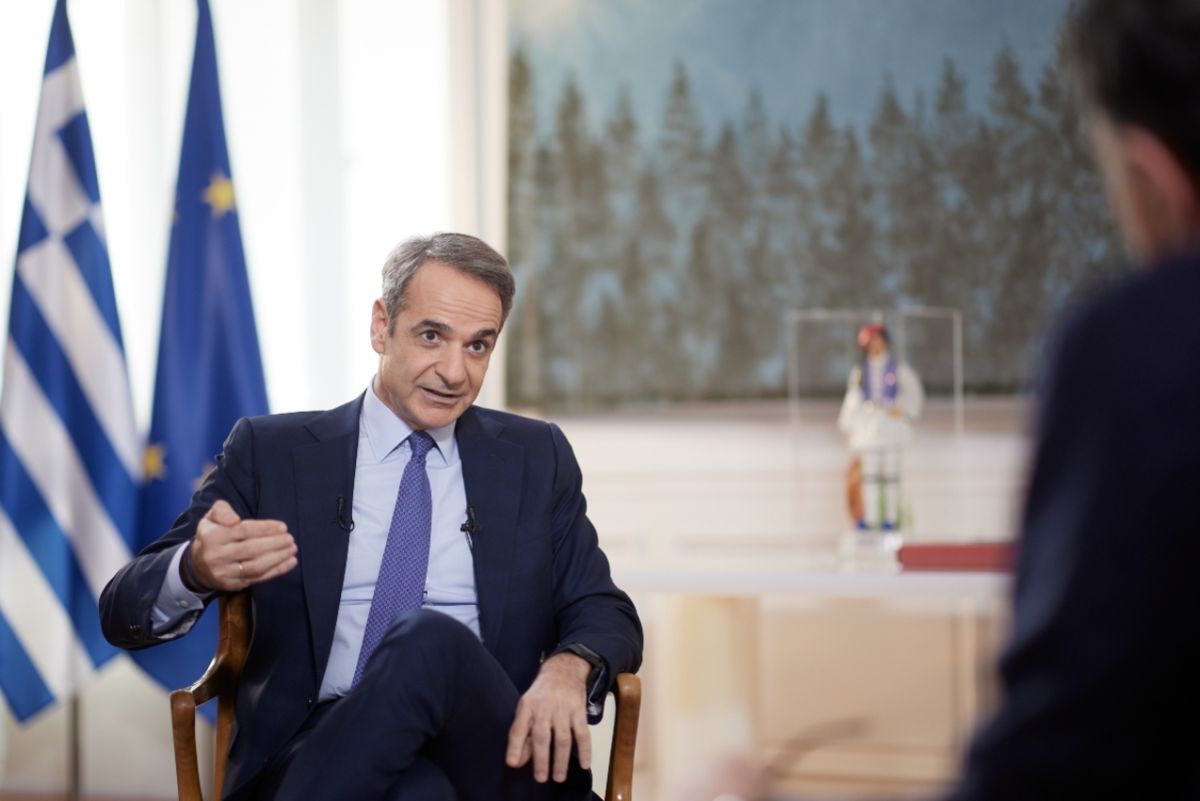
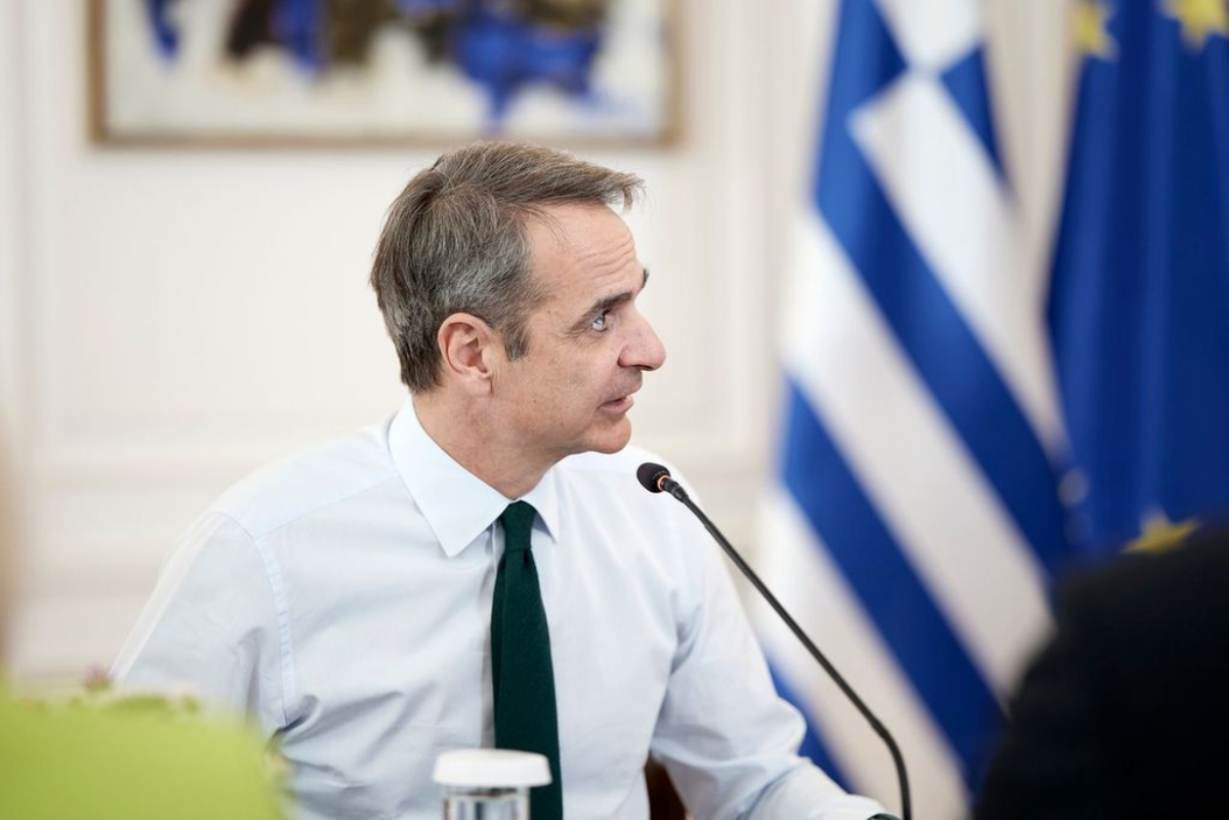
Πηγή Φωτογραφίας: eurokinissi//Mitsotakis speaks with Lebanon’s president and Israel’s PM amid Middle East crisis — Athens urges restraint & coordination



Strategic Phone Diplomacy at the Height of a Regional Crisis
In the context of rapidly escalating tensions in the Middle East, Greek Prime Minister Kyriakos Mitsotakis held separate telephone conversations on March 3 with Lebanese President Joseph Aoun and Israeli Prime Minister Benjamin Netanyahu, underlining Athens’ commitment to regional coordination, de‑escalation, and security dialogue.
These diplomatic calls occurred as conflicts and military operations involving the United States, Israel, and Iran widen, generating ripple effects across neighbouring states and heightened security concerns in the Eastern Mediterranean.
Key Themes in the Conversations
With President Aoun (Lebanon)
In the call with President Aoun, Mitsotakis raised the urgency of restraint amid the region’s deteriorating security climate, emphasising that diplomatic dialogue and crisis management are essential to prevent spillover impacts. Greece acknowledged shared regional risks, particularly for countries contiguous to hotspots of violence.
This engagement reflects Greece’s broader diplomatic posture that seeks to balance strong regional ties with efforts to reduce the chance of wider conflagrations that could draw in neighbouring capitals.
With Prime Minister Netanyahu (Israel)
The discussion with Prime Minister Netanyahu focused on coordinated approaches to ongoing tensions and shared security considerations. Mitsotakis reaffirmed support for Israel’s right to defend itself while stressing that restraint and continued dialogue are crucial to avoid broader destabilisation.
These communications came amid reports of intense hostilities involving US‑Israeli strikes and Iranian counter‑attacks, with air and missile exchanges reported that have roused alarm across neighbouring states.
Greece’s Broader Diplomatic Strategy
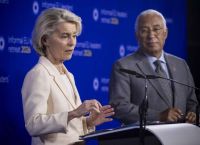
The Mitsotakis calls are part of a wider diplomatic effort by Athens to keep communication channels open with multiple regional leaders as geopolitical pressures rise. Alongside these calls, Mitsotakis has engaged with European counterparts such as European Council President António Costa, briefing him on Greece’s support for Cyprus and its contributions to security in the Eastern Mediterranean.
This multi‑axis diplomacy underscores Greece’s positioning as a bridge between European partners and Middle Eastern stakeholders, aiming to temper tensions while safeguarding national and allied interests.
Geopolitical Implications of the Talks
- Security Coordination: Mitsotakis’ calls reflect a strategy to knit together security concerns from Beirut to Jerusalem, emphasising de‑escalation and continuity of dialogue across governments in a volatile landscape.
- Regional Stability: By engaging both Lebanon and Israel, Greece sends a message that escalation risks must be managed collectively, particularly as neighbouring countries face pressure from multifront tensions, including US‑Iran‑Israel clashes.
- Alliance Signalling: Athens’ outreach to European partners like Costa — and coordinated support to Cyprus — demonstrates a synchronisation of NATO/EU and bilateral policies, aiming to prevent further destabilisation while backing allied security frameworks.
At a time of intensifying military flare‑ups and deepening geopolitical rifts, Prime Minister Mitsotakis’ telephone diplomacy with Lebanon’s and Israel’s leadership underscores Greece’s active role in regional crisis management and strategic communication. Athens is balancing support for allied security concerns with urgent calls for restraint and diplomatic engagement across conflict fronts, hoping to limit spillover effects into the Eastern Mediterranean and European security architecture.
Source: pagenews.gr
Διαβάστε όλες τις τελευταίες Ειδήσεις από την Ελλάδα και τον Κόσμο