


Turkey Draws the Line: ‘Not a Party to the War but We Won’t Tolerate Attacks
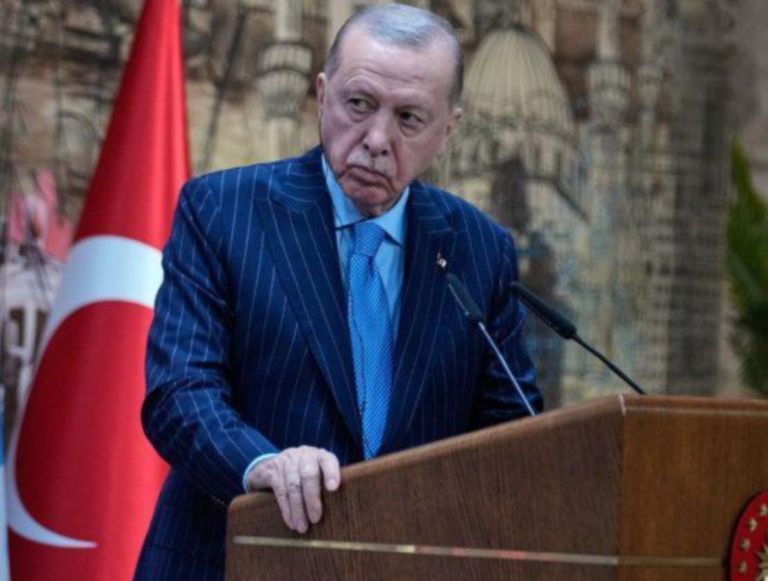
Πηγή Φωτογραφίας: AP Photo//Turkey Draws the Line: ‘Not a Party to the War but We Won’t Tolerate Attacks



As the Middle East war triggered by U.S. and Israeli strikes on Iran intensifies, Türkiye is trying to navigate a precarious geopolitical position — neither joining the conflict nor remaining passive amid repeated threats to its airspace and security.
Despite deep regional tensions and several incidents involving Iranian missiles entering Turkish airspace, Ankara insists it is not a direct party to the war, but it also stresses it will not tolerate attacks threatening its territory or stability.
NATO Intercepts Iranian Missiles — Ankara’s Response
In a dramatic development, NATO air defenses have intercepted three ballistic missiles launched from Iran toward Turkish territory, including areas near the strategic Incirlik Air Base — a key hub for U.S. and allied forces in the region.
Turkish authorities emphasize:
“We do not want to be dragged into the war between Iran, Israel, and the U.S., but all necessary measures are taken decisively and without hesitation against any threat to our territory and airspace.”
This clear warning underscores Ankara’s effort to avoid full involvement in the broader conflict, even as the risks to its national security increase with every errant missile or regional escalation.
Ankara’s Official Stance: Diplomacy Over Escalation
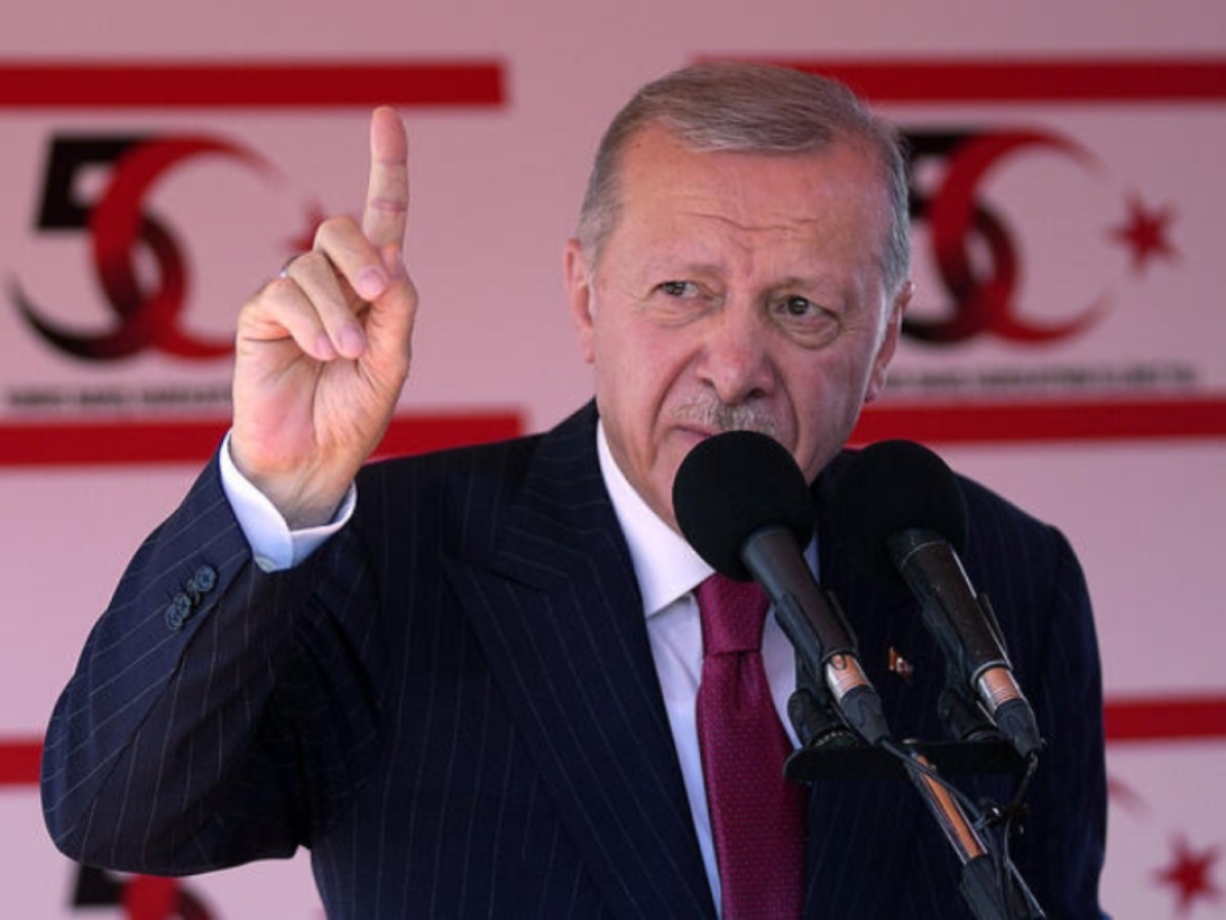
Turkish President Recep Tayyip Erdoğan has repeatedly called for an immediate halt to the Iran war, warning that continued fighting risks engulfing the entire Middle East.
In messages to Iranian leadership, Erdoğan stressed that violations of Turkish airspace “cannot be excused for any reason whatsoever” and reiterated calls for reopening diplomatic channels to prevent a wider conflagration.
🇹🇷 “Türkiye is negatively affected by conflicts in which it is not a party,” the Turkish president told his Iranian counterpart — emphasising that Ankara seeks regional stability over escalation but reserves the right to defend its sovereignty.

Balancing Act: Neutrality vs. Security Realities
Türkiye’s foreign policy calculus is shaped by several competing pressures:
- It remains a key NATO member with close ties to the United States, and hosts significant U.S./allied bases on its soil — making a full-scale detachment from the Western alliance difficult.
- At the same time, Ankara has historically pursued independent regional relations, including economic and strategic links with Iran.
- Iranian military actions that inadvertently violate Turkish airspace have forced Ankara to walk a tightrope between neutrality and deterrence.
Despite public calls to avoid involvement, Turkey has also reaffirmed its right to respond to hostile actions and is reinforcing its defense posture in coordination with NATO allies.
Regional Impact: Beyond Ankara
The conflict’s spillover effects transcend Turkish borders:
- European allies urge negotiation and restraint, seeking to limit the war’s reach.
- Regional experts warn the U.S.-Israeli campaign could radiate across the Middle East, affecting political, security, and economic landscapes beyond Iran.
- Gulf states and other external powers watch warily as escalating violence puts energy markets, civilian infrastructure, and regional alliances under strain.
This context places Ankara at a strategic crossroads where military defense, alliance commitments, and diplomatic engagement must be balanced to prevent deeper involvement — even as security threats persist.
Voices from Ankara
- Turkish Defence Ministry: “All necessary measures are being taken decisively and without hesitation against any threat directed at our country’s territory and airspace.”
- President Erdoğan: “Targeting neighboring countries is not in anyone’s interest. These actions must end, and diplomacy should prevail.”
- Turkish Foreign Ministry: Violation of Turkish airspace by any foreign missiles is “unacceptable” and Ankara will adopt appropriate measures if threats continue.
What Comes Next?
Türkiye’s future role in this widening Middle East conflict will depend on:
- How effectively Ankara can defend its territory without being drawn into active hostilities.
- Its ability to mediate diplomatic solutions amidst a war involving major powers and regional rivals.
- The evolving dynamics of NATO’s role in defending member states caught in regional spillover.
With each intercepted missile and diplomatic message, Ankara’s position reflects a delicate geopolitical balance — underscoring that the Iran war’s repercussions now extend far beyond Tehran, influencing security calculations from Ankara to the Gulf and beyond.
Source: pagenews.gr
Διαβάστε όλες τις τελευταίες Ειδήσεις από την Ελλάδα και τον Κόσμο





Το σχόλιο σας