UN Condemns Iran: Resolution Over Gulf Attacks – Greece Backs the Measure
 ΧΡΟΝΟΣ ΑΝΑΓΝΩΣΗΣ 5 '
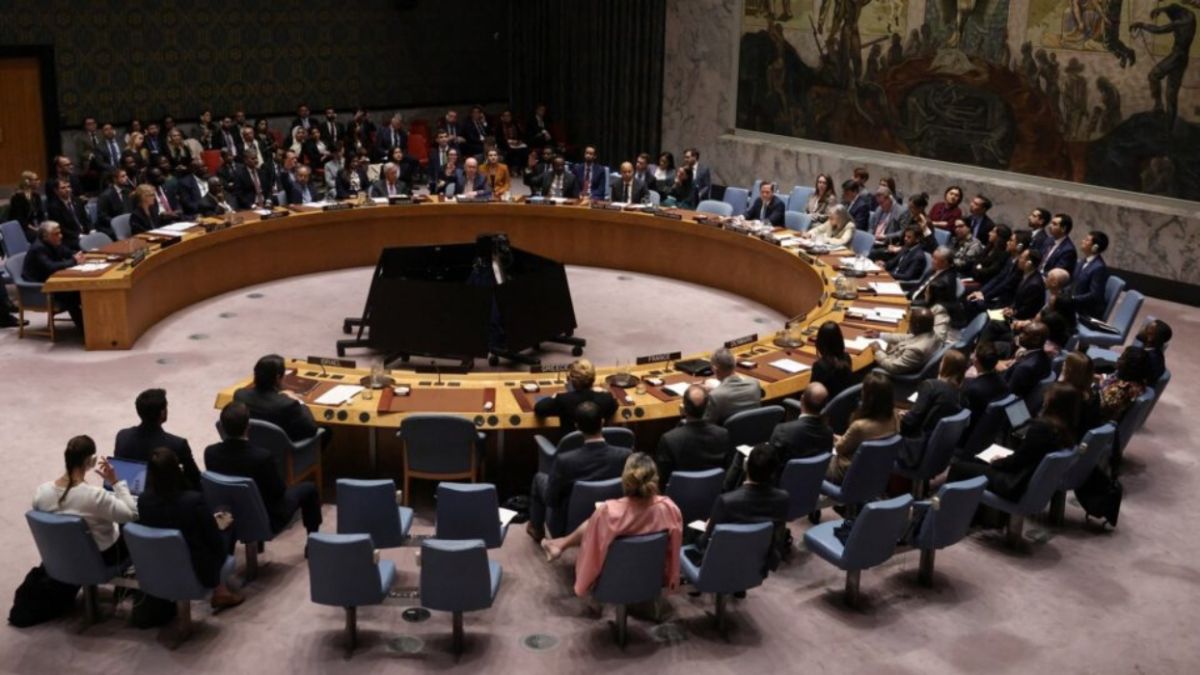
Πηγή Φωτογραφίας: AP Photo//UN Condemns Iran: Resolution Over Gulf Attacks – Greece Backs the Measure



UN Security Council adopts resolution condemning Iran’s attacks on Gulf states
The United Nations Security Council approved late Wednesday a strong resolution calling on Iran to immediately halt its attacks against Gulf states, describing them as a violation of international law and a “serious threat to international peace and security.”
The decision passed with 13 votes in favor, while Russia and China chose to abstain from the vote, refraining from using their veto power.
The draft resolution—introduced by Bahrain and Jordan—received broad international backing, with 135 UN member states co-sponsoring the initiative, highlighting growing global concern over the escalating conflict in the Middle East.
Greece on the Diplomatic Front
Greece played an active role in the diplomatic effort.
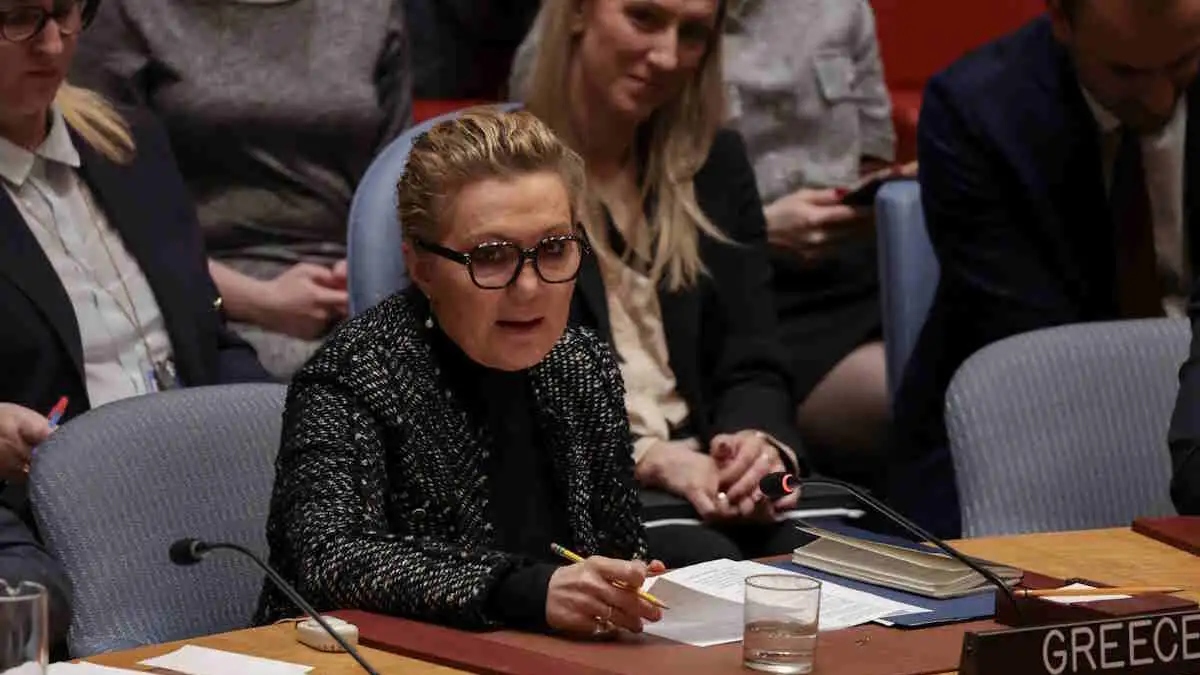
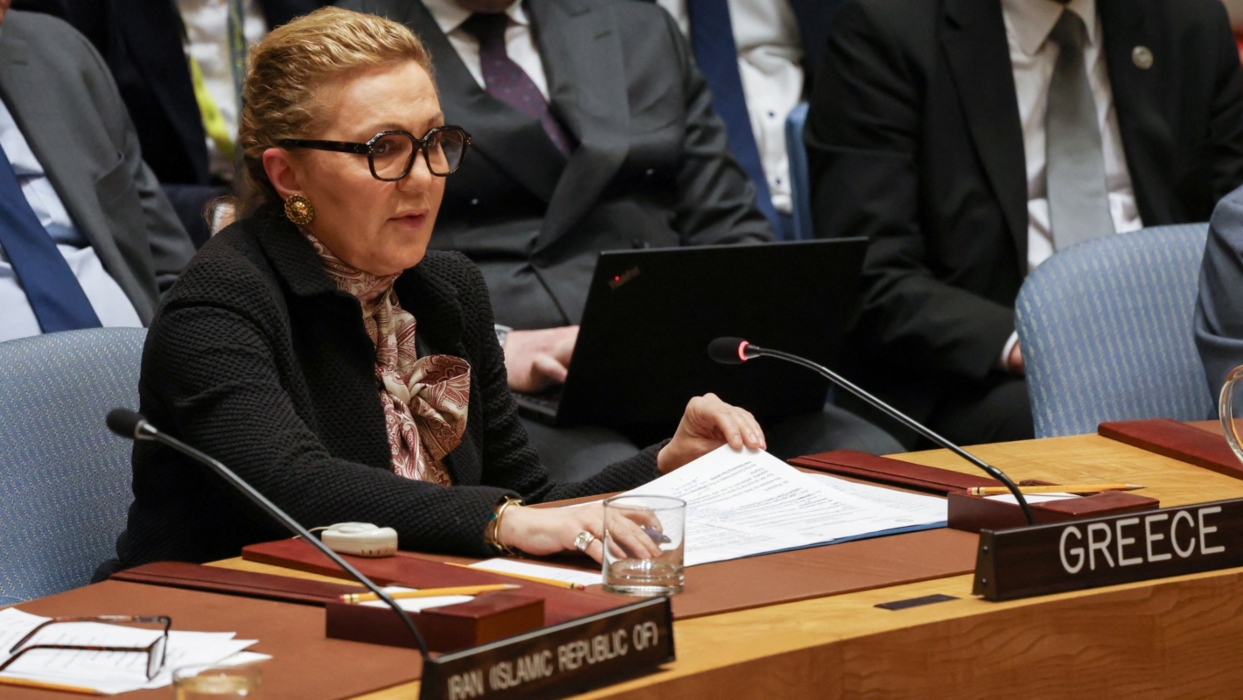
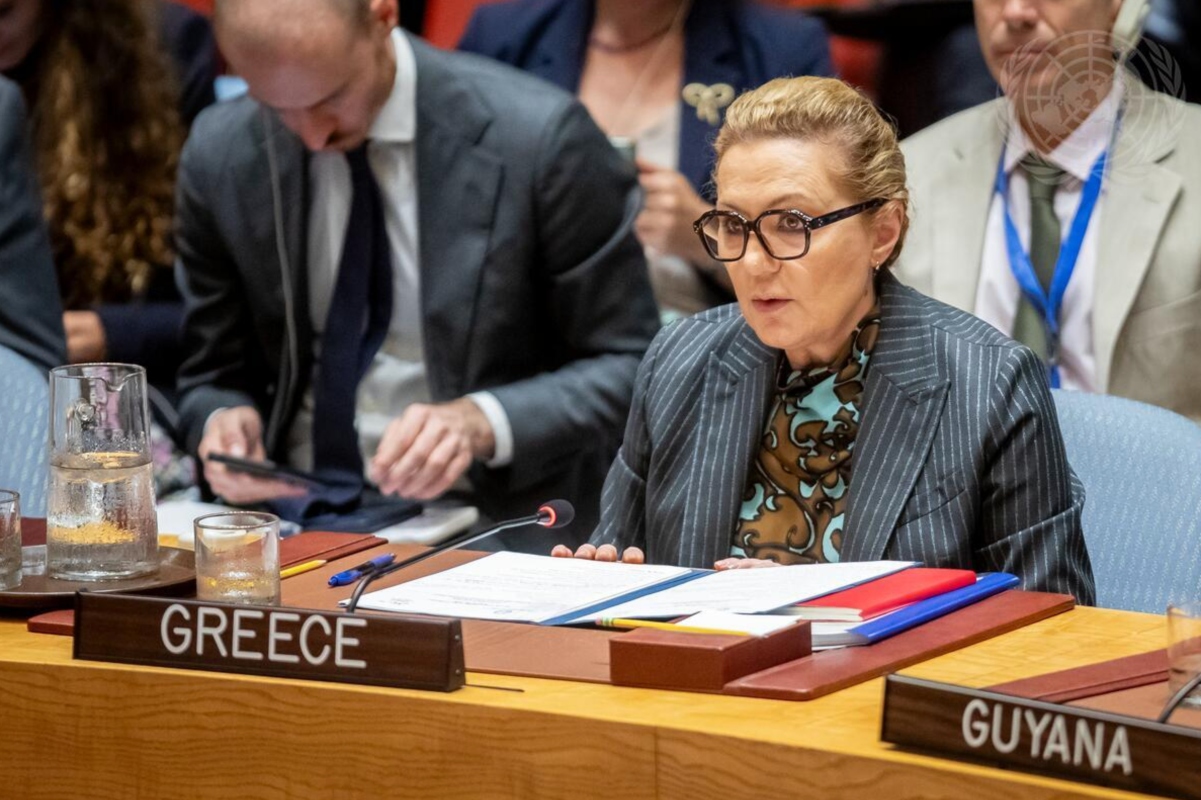
The Permanent Representative of Greece to the UN, Ambassador Angeliki Balta, stressed during her explanation of vote that Greece was among the first countries to co-sponsor the Bahrain–Jordan draft resolution, reaffirming Athens’ full support for the initiative.
The Greek diplomat reiterated:
- strong condemnation of Iranian attacks against Gulf countries
- deep concern over the ongoing military escalation in the Middle East
- the urgent need to restore credible channels for dialogue
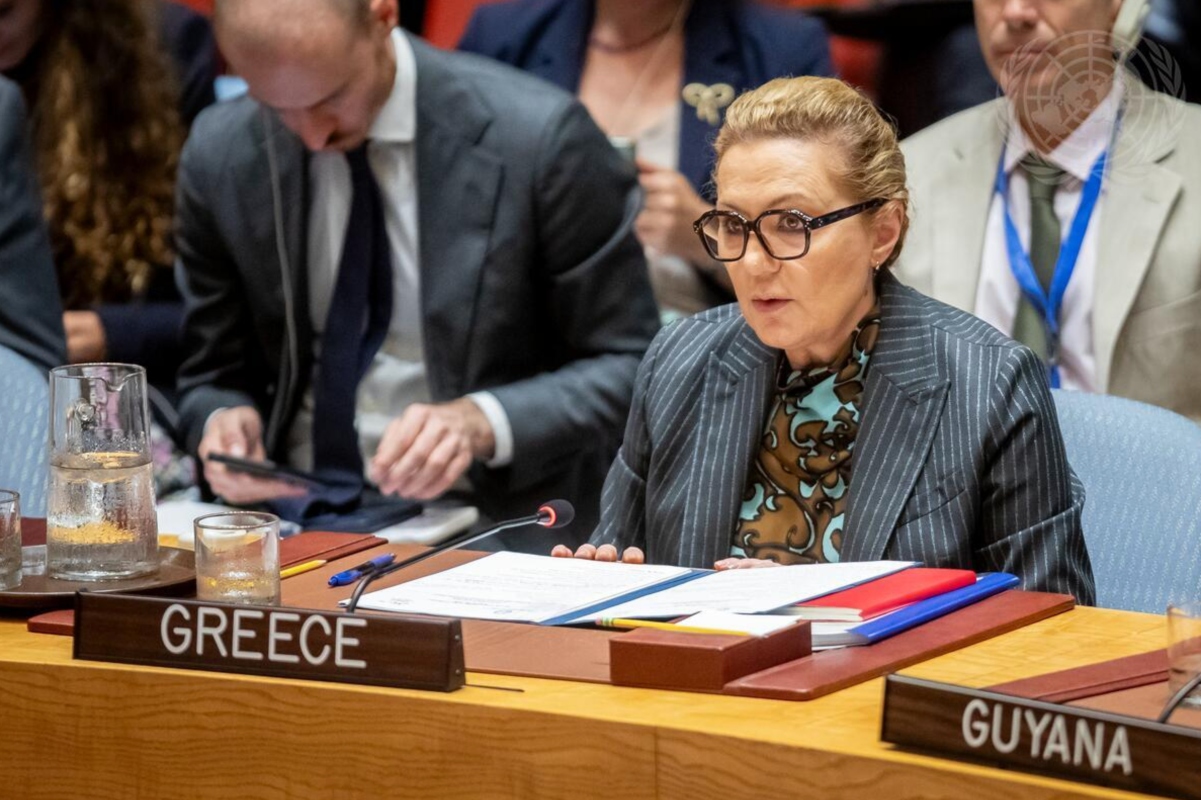
She also warned that the conflict could have serious consequences for maritime security, global trade and energy supply, as the Persian Gulf remains a critical hub of the global economy.
Washington Speaks of International Unity
A similar tone was adopted by the U.S. Permanent Representative to the UN, Ambassador Michael Waltz.
Addressing the Security Council, he stated:
“These attacks were so violent and indiscriminate that states which previously had serious disagreements have now united and spoken with one voice.”
According to the U.S. diplomat, the Gulf Cooperation Council—which includes Kuwait, Qatar, United Arab Emirates, Saudi Arabia and Oman—presented a united front in support of the resolution.
Such unity is considered significant, as the region is currently at the center of a broader military confrontation involving Iran, Israel and the United States.
Tehran’s Sharp Response
Iran’s reaction was swift.
The country’s Permanent Representative to the UN, Ambassador Amir Saeid Iravani, sharply criticized the resolution, describing it as “biased and politically motivated.”
He argued that:
“The United States and Israel attacked Iran first on February 28, in violation of international law.”
According to Tehran, the resolution attempts to reverse the roles of victim and aggressor, effectively rewarding Washington and Israel.
Israel Accuses Tehran of Exporting Terror
From the Israeli side, Ambassador Danny Danon, the country’s Permanent Representative to the UN, issued a strong statement.
“The Islamic regime is firing at countries across the region out of desperation, because it realizes the world has recognized its true face,” he said.
Danon accused Tehran of attempting to export terror and instability across the region.
A Wider Geopolitical Confrontation
The Security Council resolution comes amid rapid escalation across the Middle East.
According to international reports:
- Iranian missiles and drones have targeted infrastructure and vessels in the Gulf
- shipping through the Strait of Hormuz faces serious risks
- global oil markets and energy supply chains are on high alert
The Security Council also warned that any attempt to disrupt international navigation through the Strait of Hormuz would pose a major threat to the global economy.
Political Interpretation: The Message Behind the Resolution
Beyond diplomatic language, the UN resolution carries deeper geopolitical implications.
First, it signals an effort by the international community to increase diplomatic pressure on Tehran during a period of growing military tension.
Second, it highlights a rare alignment between Arab states, Western powers and a large number of UN members against Iran’s regional strategy.
Third, it reflects Greece’s renewed diplomatic activism at the United Nations, as Athens seeks to position itself as a stability actor in the wider Eastern Mediterranean and Middle East.
The key question now is whether this resolution will serve as a genuine instrument for de-escalation—or merely become another diplomatic episode in a conflict that is already expanding both geographically and politically.
Source: pagenews.gr
Διαβάστε όλες τις τελευταίες Ειδήσεις από την Ελλάδα και τον Κόσμο