War fears boost New Democracy, leave opposition stalled
 ΧΡΟΝΟΣ ΑΝΑΓΝΩΣΗΣ 4 '
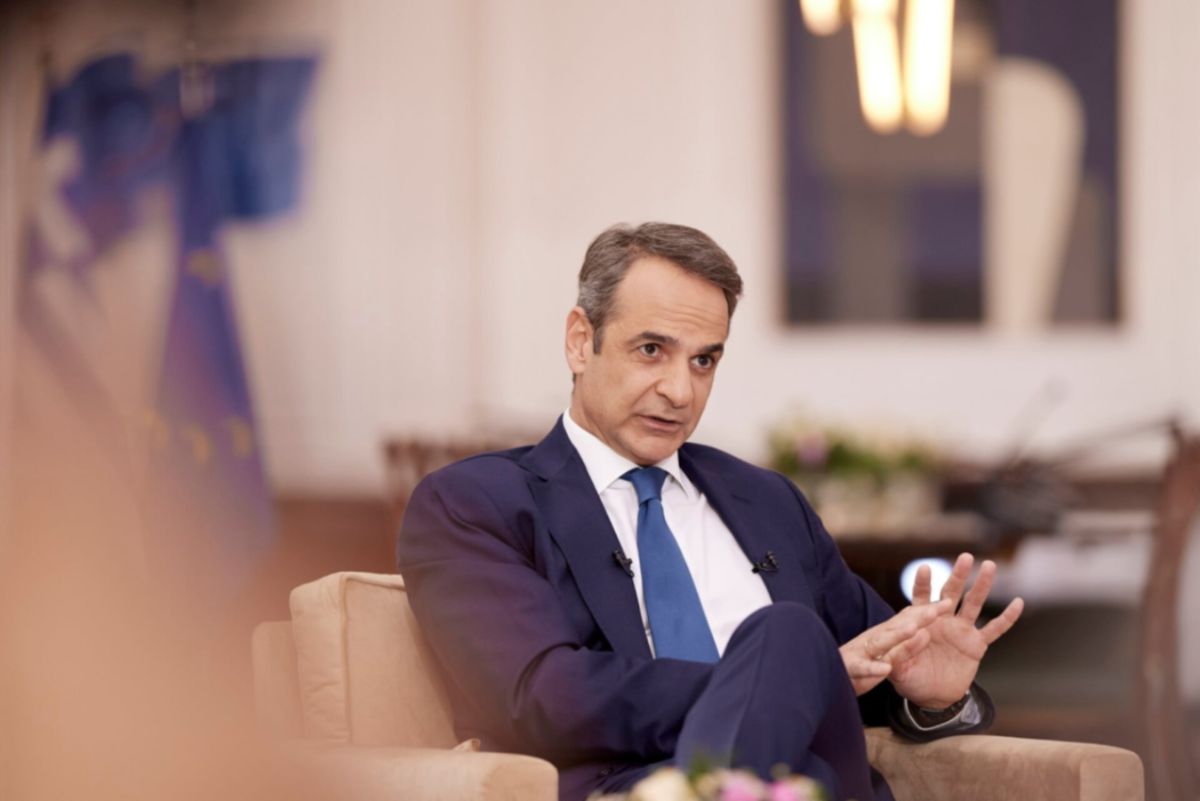
Πηγή Φωτογραφίας: Greek Prime Minister Office--Papamitsos/War fears boost New Democracy, leave opposition stalled



Political thermometer rises alongside international tension
The latest Pulse poll reflects a political environment strongly influenced by global events. Worries about developments in the Middle East are emerging as a central factor in shaping public opinion, while the government appears to regain political ground.
According to the survey, around 8 in 10 citizens express concern about developments in the region, with 48% saying they are “very worried” and 31% “somewhat worried.”
Interestingly, geopolitical uncertainty is not causing domestic political upheaval. On the contrary, it seems to foster a consolidation around stability.
Voting intentions: Steady lead and slight gain
In electoral terms, New Democracy records a small but clear increase, reaching 25.5% in voting intention.
Following parties:
- PASOK: 11%
- Course of Freedom: 8%
- Greek Solution: 7%
- KKE: 6.5%
- SYRIZA: 5%
- Voice of Reason: 3%
The gap between the first and second party remains above 14 points, indicating that the government’s political dominance persists even amid international insecurity.

Citizens’ concerns: Economy first
The poll also highlights a key issue for government analysts. Citizens are not only worried about war—they are mainly concerned about its consequences.
Top concerns:
- Economic impact: 39%
- Potential military involvement: 23%
- Rising prices and energy crisis: 12%
- General geopolitical instability: 18%
In other words, society’s political message is clear: security and economic stability take precedence over ideological conflicts.
Government maintains solid lead
At the political level, the crisis seems to reinforce the narrative of stability. New Democracy maintains a significant lead in voting intention, more than double the second party, PASOK, while Course of Freedom emerges as the third force.
Political analysts note that the international crisis does not destabilize the domestic political scene. Instead, it strengthens consolidation around government management.
Behind the scenes: Confidence at Maximos Mansion
Within the government, the mood appears particularly positive. According to political sources, the Prime Minister’s confidence is at very high levels.
As noted in political columns, the Prime Minister seems optimistic about the government’s trajectory, with associates describing his confidence as “overflowing” lately.
The government team believes that managing international developments and projecting stability enhances its political position.
Wiretaps and opposition The wiretap scandal continues to occupy Maximos Mansion institutionally, but it does not dominate the political agenda. Interestingly, following recent developments, no opposition party has submitted a new request for a parliamentary inquiry, which some interpret as political fatigue over the issue.
Political backstage: Who benefits from the new climate
Government officials argue that the international crisis strengthens the “stable governance” narrative. The government is seen as managing a difficult geopolitical situation—a dynamic that traditionally favors the incumbent power.
Meanwhile:
- PASOK shows modest gains but lacks momentum for a comeback.
- SYRIZA remains at low levels, unable to compete with the security-focused agenda.
- Smaller parties hover at the edge of political influence, with no clear electoral surge.
Analysts point out that international uncertainty often “freezes” political competition, as citizens gravitate toward perceived safe choices.
The big question: Temporary trend or new political balance?
Party strategists now ask whether this trend is a short-term polling boost for the government or signals a new political normal.
For now, the picture is clear: international crises do not destabilize the political system—they “lock it in.”
Experienced analysts say this is perhaps the most important takeaway from the new poll.
Political conclusion
The emerging political landscape is shaped by a factor few had anticipated: global instability.
The Middle East crisis produces a paradoxical effect: it heightens public concern while simultaneously strengthening political stability.
As long as geopolitical tensions continue, the Greek political system is likely to revolve around a single axis: the search for security in an uncertain international environment.
Διαβάστε όλες τις τελευταίες Ειδήσεις από την Ελλάδα και τον Κόσμο