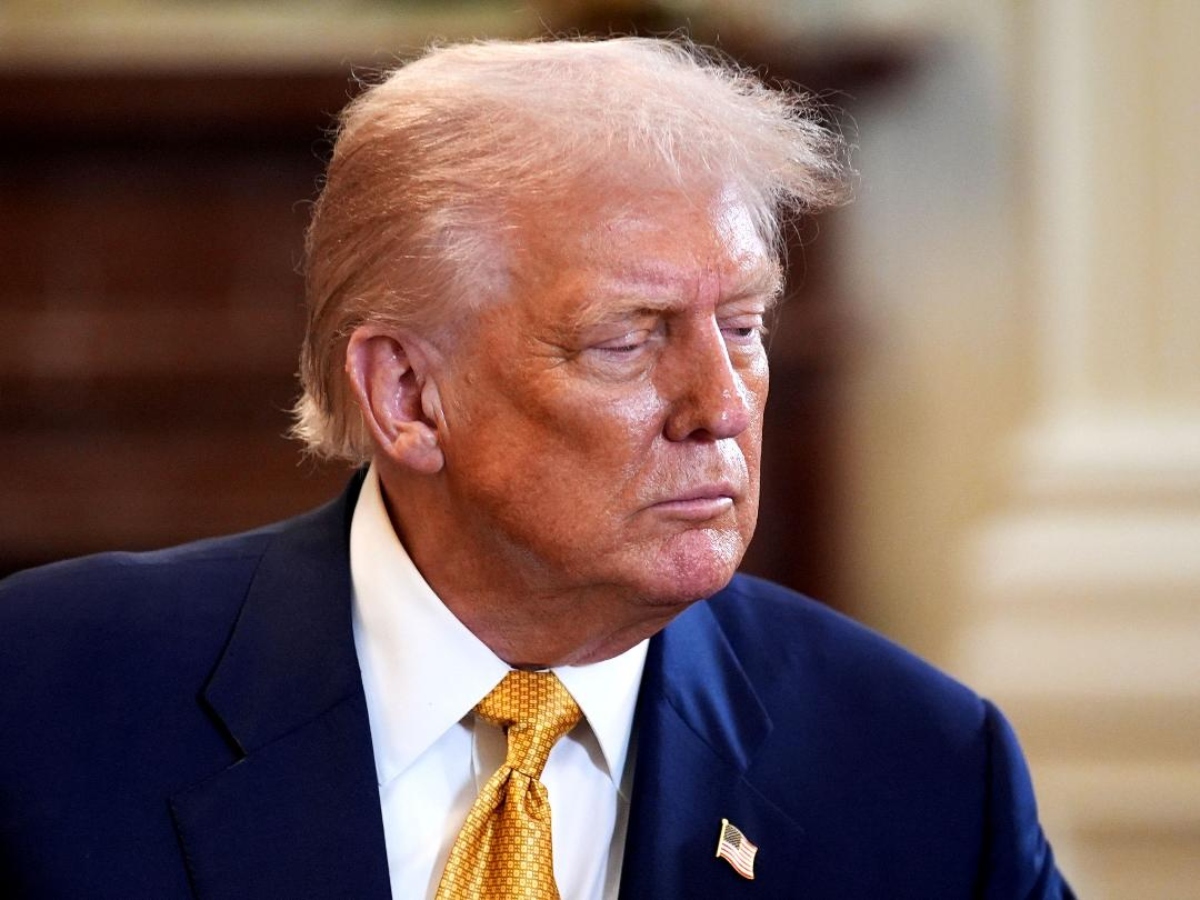
Political win for Trump in Congress
A significant institutional boost for President Donald Trump came after the House of Representatives failed to pass a resolution aimed at restricting his war powers regarding Iran.
Democrats failed for the third time to advance the measure, in a development lawmakers warn could be interpreted as a “green light” for continued military operations without meaningful congressional oversight.
Razor-thin vote – deep political division
The vote was decided by a single margin:
- 214 against – 213 in favor
- near-total partisan split
- key defections from both parties
The resolution sought to require the president to end military operations without congressional authorization, citing constitutional war powers.
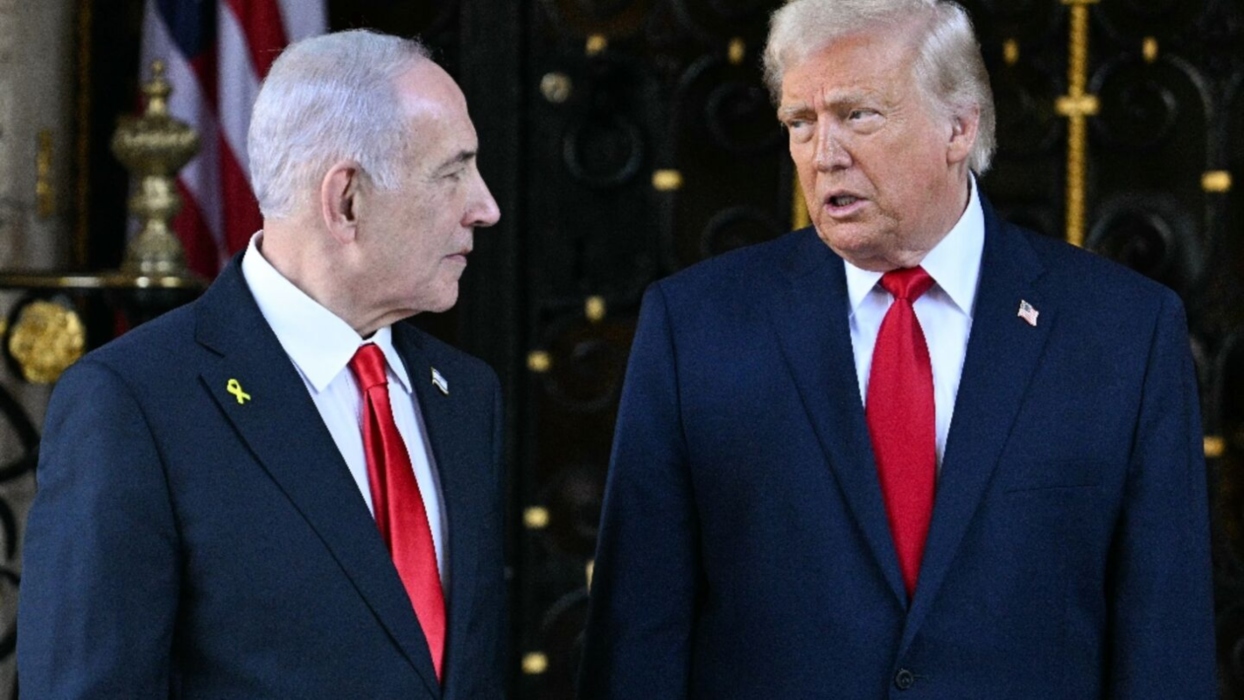

“The goal is to stop hostilities,” said Democratic Rep. Jared Golden, explaining his position while still opposing the measure.
Why it failed – and what it means
The outcome reflects more than legislative failure. It signals a structural shift:
1. Weak congressional control
Despite concerns over unauthorized military escalation, Congress failed to impose limits.
2. Strengthening of executive power
Trump gains greater operational flexibility in conducting military actions.
3. Strategic messaging to Iran
The failure may be interpreted as political unity in Washington on the Iran front.
On the ground context: war without clear authorization
The vote comes as:
- the conflict approaches the two-month mark
- a fragile ceasefire remains in place
- backchannel negotiations continue
At the same time, concerns are growing over potential violations of international law and the absence of a clear long-term strategy.
Domestic political consequences
The failed resolution has already triggered:
- calls for repeated pressure votes from progressive Democrats
- fears of a prolonged, unchecked war effort
- further political polarization ahead of elections

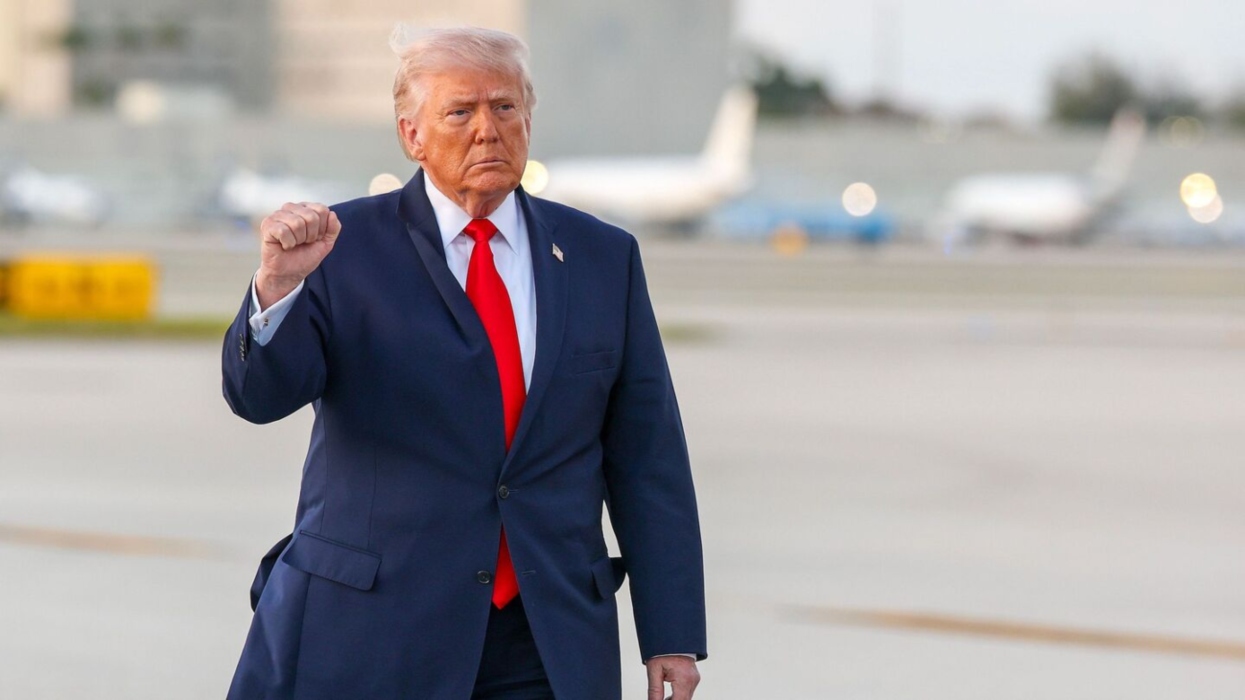
“It may be seen as a green light to ignore Congress,” warn lawmakers.
The failure to restrict Trump’s war powers is more than a lost vote. It represents:
- a strengthening of executive authority
- a weakening of congressional oversight
- and a dangerous precedent for continued military escalation
Combined with rhetoric describing the conflict as a “small detour,” Washington appears to be moving toward a strategy where military action precedes political consensus.
Source: pagenews.gr