Trump Pushes China and Russia Out of Venezuelan Oil – The Battle for 65 Billion Barrels
 ΧΡΟΝΟΣ ΑΝΑΓΝΩΣΗΣ 9 '
Πηγή Φωτογραφίας: AP Photo//Trump Pushes China and Russia Out of Venezuelan Oil – The Battle for 65 Billion Barrels



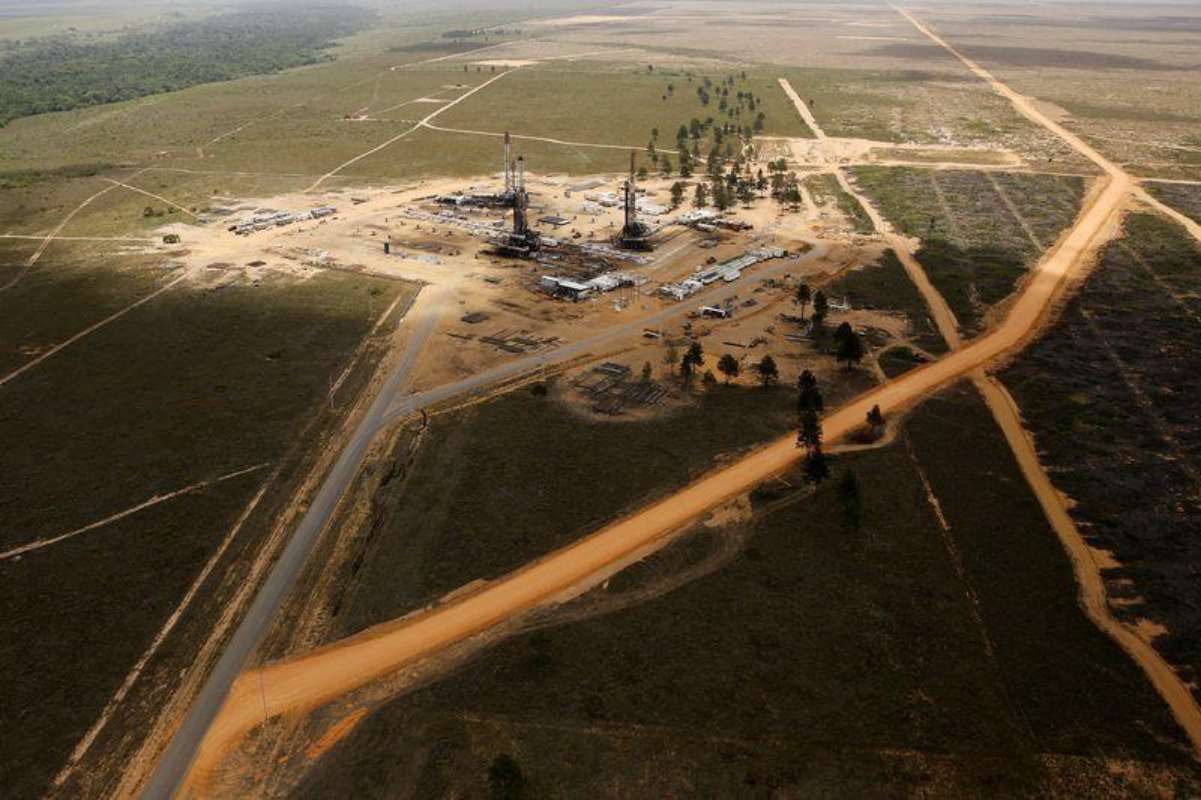
Donald Trump is doing far more than signing another oil agreement with Venezuela.
Washington is attempting to redraw the country’s energy map, displace Chinese and Russian interests from strategically important oilfields and secure privileged American access to one of the world’s largest concentrations of petroleum reserves.
Under the sweeping US-Venezuela oil agreement announced by Trump, North American Blue Energy Partners, or NABEP, will take over projects that had previously been operated by Chinese and Russian companies, according to an exclusive Reuters report.
The scale is extraordinary: NABEP will control 17 projects containing more than 65 billion barrels of proven reserves, under concessions lasting 100 years.
But the significance of the deal extends well beyond oil.
It represents an attempt by Washington to convert Venezuela’s vast hydrocarbon resources into a pillar of American energy security — while simultaneously reducing the strategic footprint of Beijing and Moscow in the Western Hemisphere.
Washington Moves Into Assets Previously Run by China and Russia
The most geopolitically significant element revealed by Reuters is that the agreement does not simply expand American participation in Venezuela.
It directly reduces Chinese and Russian involvement.
Of the 14 new contracts being awarded to NABEP, five involve projects previously operated by Chinese companies and one involves a project previously operated by a Russian company.
Among the Chinese interests identified by Reuters are China Concord Resources, Sinopec and CNPC.
One US official made the strategic objective unusually explicit:
“We’re not just opening new opportunities for the US government and US operators; we’re opening the United States as a market for this oil that was previously going to China.”
That statement captures the broader logic of the deal.
Washington is not merely seeking more Venezuelan barrels. It is attempting to redirect energy flows away from China and towards the United States.
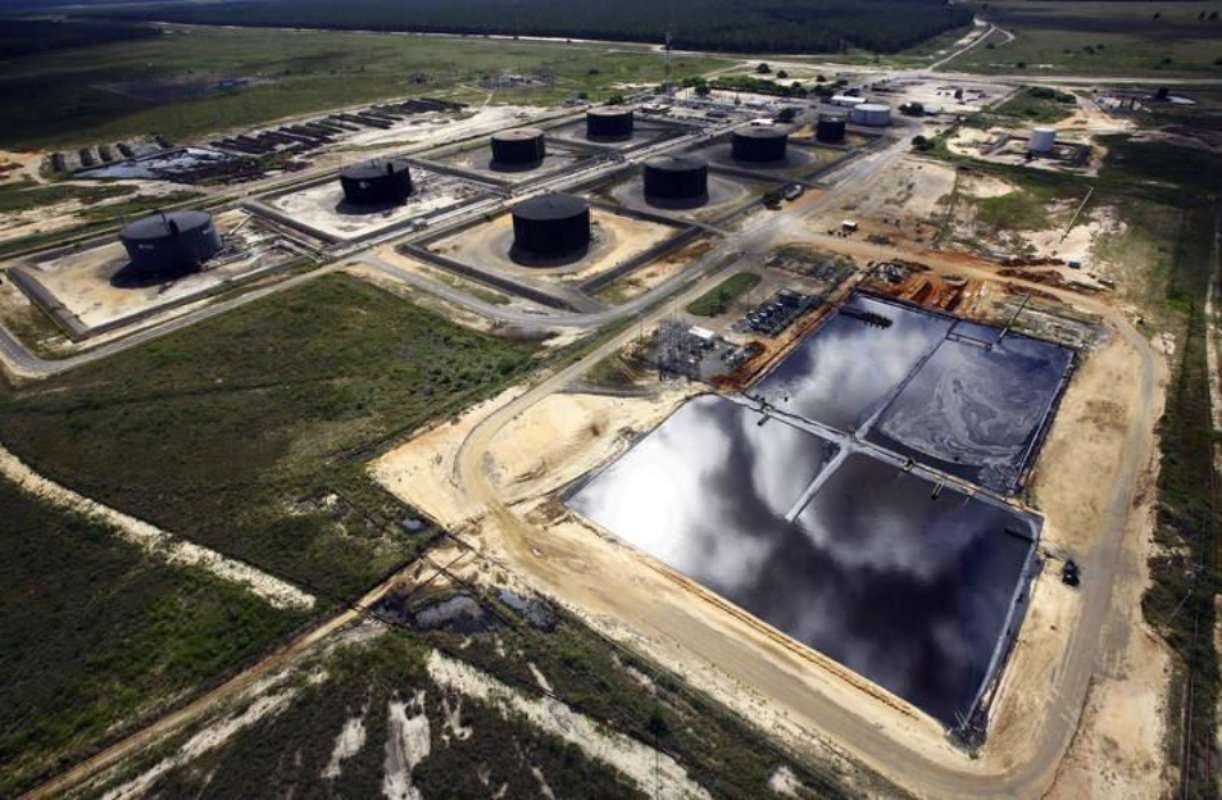
17 Projects and More Than 65 Billion Barrels
According to the White House, the 17 projects contain more than 65 billion barrels of proven reserves.
For comparison, the administration says that figure exceeds the roughly 46 billion barrels of proven crude reserves within the United States itself.
The numbers alone make the agreement strategically important.
But what makes it exceptional is the degree of direct US government involvement.
The Pentagon Takes a 35% Stake
The Pentagon’s Office of Strategic Capital will receive a 35% equity stake in NABEP’s parent company, according to the White House.
Washington will also obtain corporate governance rights.
The US government will have veto power over board appointments, while a majority of directors must be American citizens.
That transforms the project from a conventional private-sector oil investment into something considerably more strategic.
The American state is effectively embedding itself inside the corporate structure controlling the Venezuelan assets.
America Gets 20% of Production at Cost
The production arrangements are even more striking.
The US State Department will have the guaranteed right to purchase 20% of production at production cost from NABEP’s current and future Venezuelan projects.
The White House explicitly links that provision to potential requirements including replenishing the Strategic Petroleum Reserve and meeting sensitive military or government energy needs.
Washington also receives a right of first refusal over the remaining 80% of production during emergencies.
In other words, the United States is securing something potentially more valuable than ownership alone: privileged access to the physical flow of Venezuelan crude.
The China Dimension
China spent years building Venezuela into an important component of its Latin American energy strategy.
The relationship gave Beijing access to crude while expanding Chinese economic and political influence deep into a region traditionally regarded by Washington as strategically vital.
Trump’s agreement attempts to reverse that trajectory.
By transferring projects previously associated with Chinese operators to a US-backed company and securing government rights over future production, Washington is trying to transform Venezuela from a platform for Chinese influence into an instrument of American energy strategy.
This is not simply commercial competition.
It is geoeconomic displacement.
Oilfields, investment and export routes are becoming instruments in the wider US-China contest for global influence.
Russia Is Being Squeezed Too
Moscow also developed a significant relationship with Venezuela, using energy cooperation as one way of maintaining political and strategic influence in the Western Hemisphere.
The new agreement challenges that position.
The White House itself frames the initiative in explicitly geopolitical language, presenting it as part of an effort to remove hostile foreign influence from the Western Hemisphere and invoking a renewed interpretation of the Monroe Doctrine.
For Trump, therefore, Venezuelan oil serves two purposes simultaneously: securing energy and pushing strategic competitors farther away from the United States.
A Potential $100 Billion Oil Revival
There is, however, an enormous difference between possessing reserves underground and producing them economically at scale.
Venezuela’s oil industry has suffered from years of underinvestment, deteriorating infrastructure, political instability and sanctions.
NABEP is expected to pursue investment that could approach $100 billion to rehabilitate infrastructure and increase production.
That means the geopolitical significance of the agreement could be immediate, while its impact on global oil supply will take considerably longer to materialise.
Rebuilding Venezuelan production on the scale envisioned by Washington would require years rather than months.
Big Oil Has Questions
The agreement has also generated significant scepticism.
Reuters has reported concerns surrounding the structure of the arrangement, NABEP’s role and the legal framework governing the concessions, while experts and lawyers have called for greater transparency over a deal of such extraordinary scale.
Major international producers including ExxonMobil, ConocoPhillips and Chevron had not been briefed on the agreement before its announcement and refrained from commenting, according to Reuters.
The questions are substantial.
Can Venezuela provide sufficient long-term legal certainty for investments potentially worth tens of billions of dollars? Could future governments challenge century-long concessions? And can production rise quickly enough to justify the enormous capital expenditure?
The geopolitical ambition is clear. The commercial execution is much less certain.
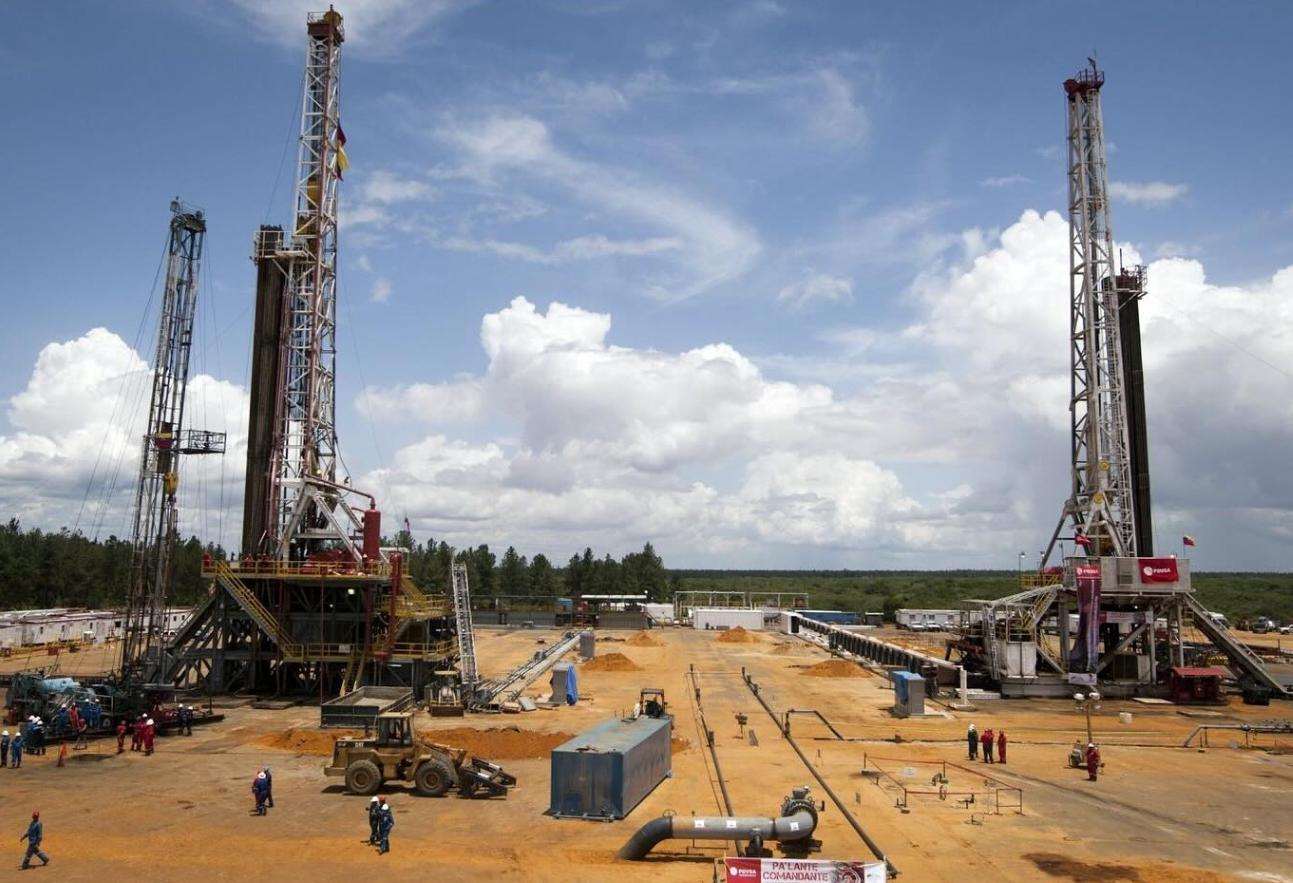
Hormuz Changes the Strategic Value of Venezuela
There is another dimension that makes the timing particularly important: the Strait of Hormuz.
The Middle East conflict and repeated disruption surrounding one of the world’s most important energy chokepoints have demonstrated how vulnerable global oil flows remain to geopolitical shocks.
The US-Venezuela agreement is not officially presented as a substitute for Middle Eastern oil.
Nor could Venezuelan production replace Gulf supplies in the short term.
But strategically, the logic is powerful.
Every additional barrel that Washington can reliably access in the Western Hemisphere reduces, at the margin, its exposure to supply disruptions thousands of miles away.
The Trump administration has already described petroleum production, refining capacity and logistics as issues connected to US national defence.
Venezuela therefore becomes more than an oil producer.
It could become strategic energy depth for the United States.
From Oil Deal to a New Monroe Doctrine
This may ultimately be the most consequential element of the agreement.
Trump’s emerging strategy appears to combine several objectives that were previously treated separately: energy security, economic security, industrial policy and geopolitical competition.
Under that framework, Washington wants strategic resources in the Western Hemisphere to remain connected primarily to American markets and American power — rather than becoming platforms for Chinese or Russian influence.
Venezuela is an unusually powerful test case.
It possesses extraordinary oil reserves, sits geographically close to the United States and has spent years building relationships with Washington’s principal geopolitical competitors.
Bringing a significant portion of those resources back within the American strategic orbit would therefore represent far more than an energy victory.
It would mark a substantial shift in the balance of power across the Americas.
The Real Battle Is About the Next Decade
The agreement will not transform global oil markets overnight.
Venezuela cannot immediately replace Middle Eastern production, and billions of dollars will have to be invested before output can rise substantially.
But Washington is thinking beyond tomorrow’s oil price.
If the projects proceed, production expands and the formidable political and legal risks can be managed, the United States will have secured privileged access to an enormous pool of crude close to home.
At the same time, China and Russia will have lost ground in precisely the region where Washington is determined to reassert strategic primacy.
That is why the real story is not simply that an American company is taking over Venezuelan oilfields.
It is that the United States is attempting to turn 65 billion barrels of oil into geopolitical power.
And if Trump’s strategy succeeds, the global energy contest between the United States, China and Russia will no longer be fought primarily in the Persian Gulf, Siberia or the South China Sea.
It will also be fought in the Caribbean.
Source: pagenews.gr
Διαβάστε όλες τις τελευταίες Ειδήσεις από την Ελλάδα και τον Κόσμο