


“HIGH-STAKES GAME IN LIBYA”: Battle over maritime zones and the Turkey–Libya deal
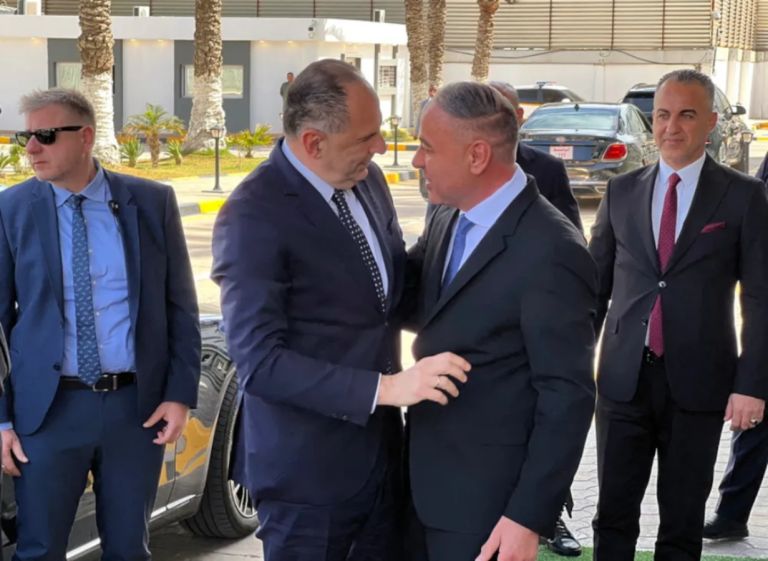
Πηγή Φωτογραφίας: eurokinissi// “HIGH-STAKES GAME IN LIBYA”: Battle over maritime zones and the Turkey–Libya deal



Libya is once again emerging as a central میدان of geopolitical rivalry, with Greece and Turkey quietly but decisively competing for influence in the fragmented North African state.
At the heart of the confrontation lies the 2019 maritime memorandum between Turkey and Libya—a deal Athens considers illegal under international law and is now actively trying to neutralize through renewed diplomatic outreach.
Greece’s diplomatic push
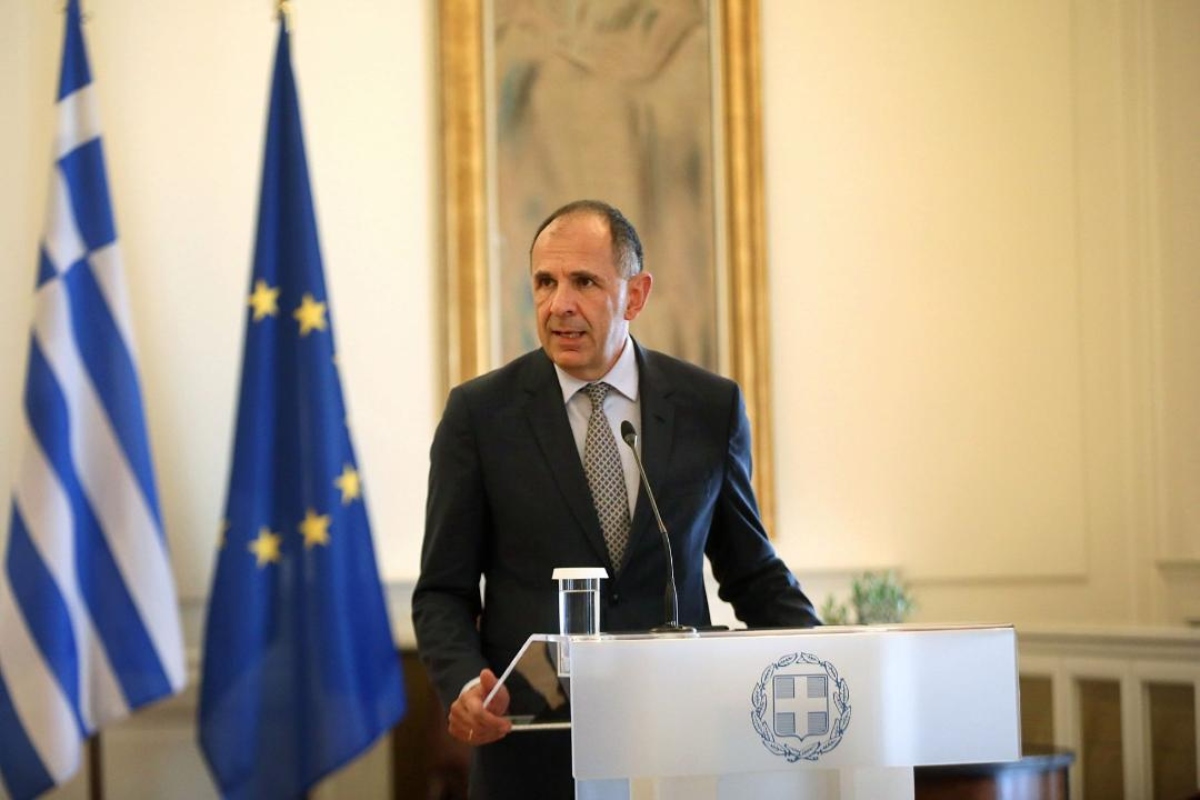
Greek Foreign Minister Giorgos Gerapetritis recently conducted back-to-back visits to both Tripoli and Benghazi, signaling a deliberate strategy: engage all centers of power in Libya.
“We agreed to advance discussions on the delimitation of the continental shelf and EEZ,” he stated following his meetings.
He further emphasized: “The need for agreements based on international law is imperative.”
Athens is effectively attempting to reframe the entire maritime dispute—shifting it away from unilateral agreements toward a legal, multilateral process grounded in the United Nations Convention on the Law of the Sea principles.
Turkey’s response: military signaling and strategic messaging
Ankara, perceiving the Greek diplomatic momentum, is moving to reinforce the legitimacy of its Libya deal—not just politically, but operationally.
A key signal came during the multinational special forces exercise Flintlock 2026, organized under United States Africa Command. A Turkish UAV participated by reportedly flying along the საზ boundaries defined in the 2019 agreement—an unmistakable message that Turkey considers the deal active and enforceable.
Simultaneously, Turkey is:
- deepening military cooperation with Libyan factions
- reopening channels with eastern Libya, including forces aligned with Khalifa Haftar
- hosting Libyan units in joint exercises on Turkish soil
This reflects a dual-track approach: maintaining influence in both western and eastern Libya.
The international dimension
The Flintlock exercise itself carries broader significance. For the first time, elements from both eastern and western Libyan forces reportedly cooperated—an indicator of ongoing international efforts to stabilize the country.
Meanwhile, European involvement is also intensifying. The recent visit of Emmanuel Macron to Greece underscored growing alignment between Athens and key EU actors regarding Eastern Mediterranean security.
three layers of competition
The unfolding situation operates across three interconnected مستويات:
1. Legal–Diplomatic
Greece is leveraging international law and bilateral talks to undercut the Turkey–Libya memorandum.
2. Military–Operational
Turkey is translating legal claims into presence—through UAV deployments, exercises, and defense cooperation.
3. Political–Influence
Both sides are competing for legitimacy and partnerships across Libya’s divided political landscape.
Libya is fast becoming a निर्णायक geopolitical crossroads in the Eastern Mediterranean.
Greece is betting on diplomacy and legal frameworks.Turkey is asserting facts on the ground.
The outcome will likely depend not only on negotiations, but on who shapes realities in the field—militarily, politically, and strategically.
Source: pagenews.gr
Διαβάστε όλες τις τελευταίες Ειδήσεις από την Ελλάδα και τον Κόσμο



Το σχόλιο σας