Maritime Freedom Construct: The New Naval Alliance Igniting the Strait of Hormuz
 ΧΡΟΝΟΣ ΑΝΑΓΝΩΣΗΣ 3 '
Πηγή Φωτογραφίας: AP Photo//Maritime Freedom Construct: The New Naval Alliance Igniting the Strait of Hormuz



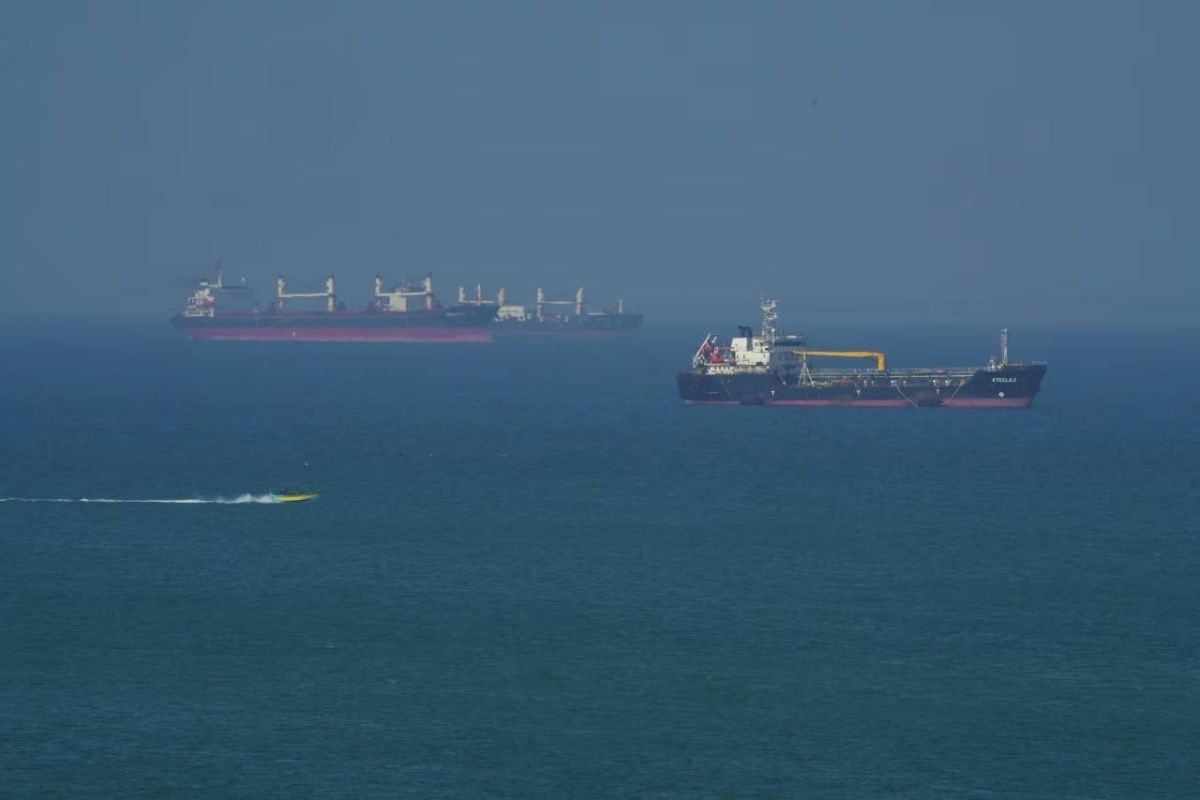
The United States is moving to establish the “Maritime Freedom Construct (MFC)”, a multinational framework aimed at securing navigation through the Strait of Hormuz—a corridor through which roughly 20% of global oil supply passes.
The initiative comes amid escalating tensions with Iran and increasing disruptions to commercial shipping. Unlike traditional alliances, the MFC is envisioned as a hybrid security structure, combining naval deployments, intelligence-sharing, дипломатική coordination, and financial guarantees for global shipping stakeholders.
Washington’s strategy reflects a delicate balance: restoring maritime stability while avoiding a broader regional conflict.
Statements & Diplomatic Signals
“We need a global coalition to defend maritime freedom,” a U.S. official stated at the United Nations, describing the situation as a direct threat to global trade.
Tehran has strongly rejected the initiative, accusing the U.S. of “piracy and armed robbery” following tanker seizures—highlighting the legal and political dimensions of the crisis.
At the same time, Donald Trump has reportedly supported a more aggressive posture, authorizing military action against Iranian units suspected of threatening shipping lanes—raising the risk of rapid escalation.
Why the Strait of Hormuz Matters
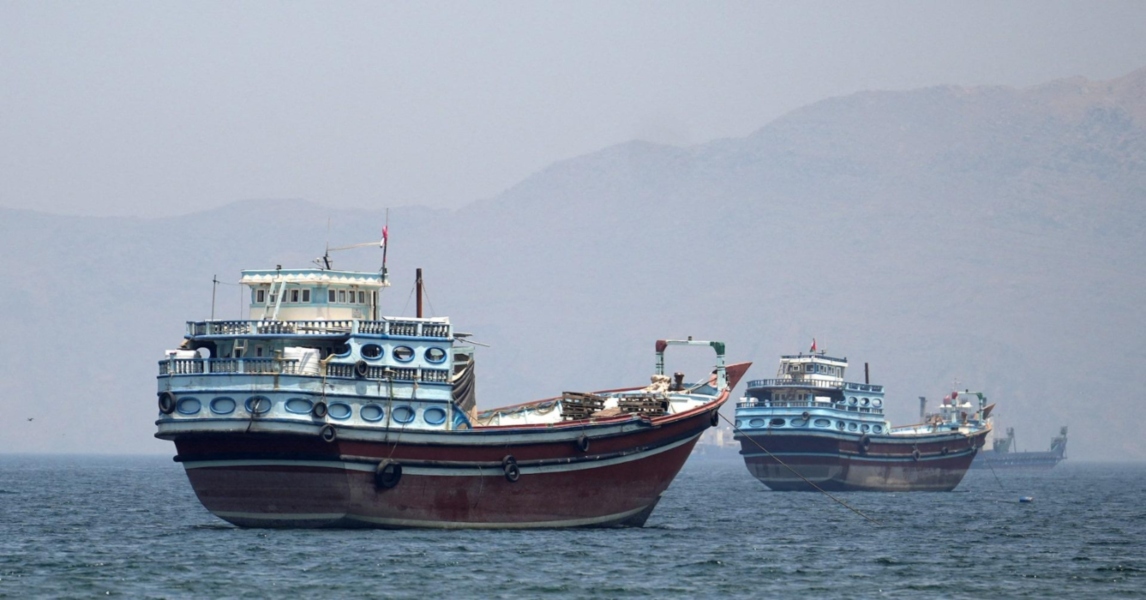
The Strait of Hormuz is one of the most important geoeconomic chokepoints in the world:
- περίπου 20% of global oil trade flows through it
- Gulf economies rely on it for exports
- Even minor disruptions trigger major price volatility
Recent tensions have already pushed energy prices higher, intensifying inflationary pressure and exposing vulnerabilities in global supply chains.
Fractures Within the West
Despite U.S. efforts, unity among allies remains uncertain:
- Several members of the European Union are reluctant to fully align
- Germany and Japan are considering more cautious or independent roles
- Parallel European-led initiatives are under discussion
Meanwhile, major global players such as China and Russia remain outside the framework, reinforcing geopolitical divisions.
Strategic Assessment
The emergence of the Maritime Freedom Construct reflects a broader shift in global dynamics:
- The seas are no longer uncontested spaces
- Maritime routes are becoming strategic zones of competition
- Control over trade corridors is increasingly militarized
This crisis signals a transition toward a world where access to key routes depends less on international norms and more on power projection.
The Maritime Freedom Construct is not just a response to a crisis—it is a prototype of a new global maritime order.
It highlights a world where:
- energy security and military strategy are deeply intertwined
- alliances are fluid and interest-driven
- and chokepoints like the Strait of Hormuz can reshape global stability
The central question is no longer whether the strait will reopen—but who will define the rules of navigation in the future.
Source: pagenews.gr
Διαβάστε όλες τις τελευταίες Ειδήσεις από την Ελλάδα και τον Κόσμο