Europe on the brink: The silent fuel crisis threatening transport and economy
 ΧΡΟΝΟΣ ΑΝΑΓΝΩΣΗΣ 3 '
Πηγή Φωτογραφίας: AP Photo//Europe on the brink: The silent fuel crisis threatening transport and economy



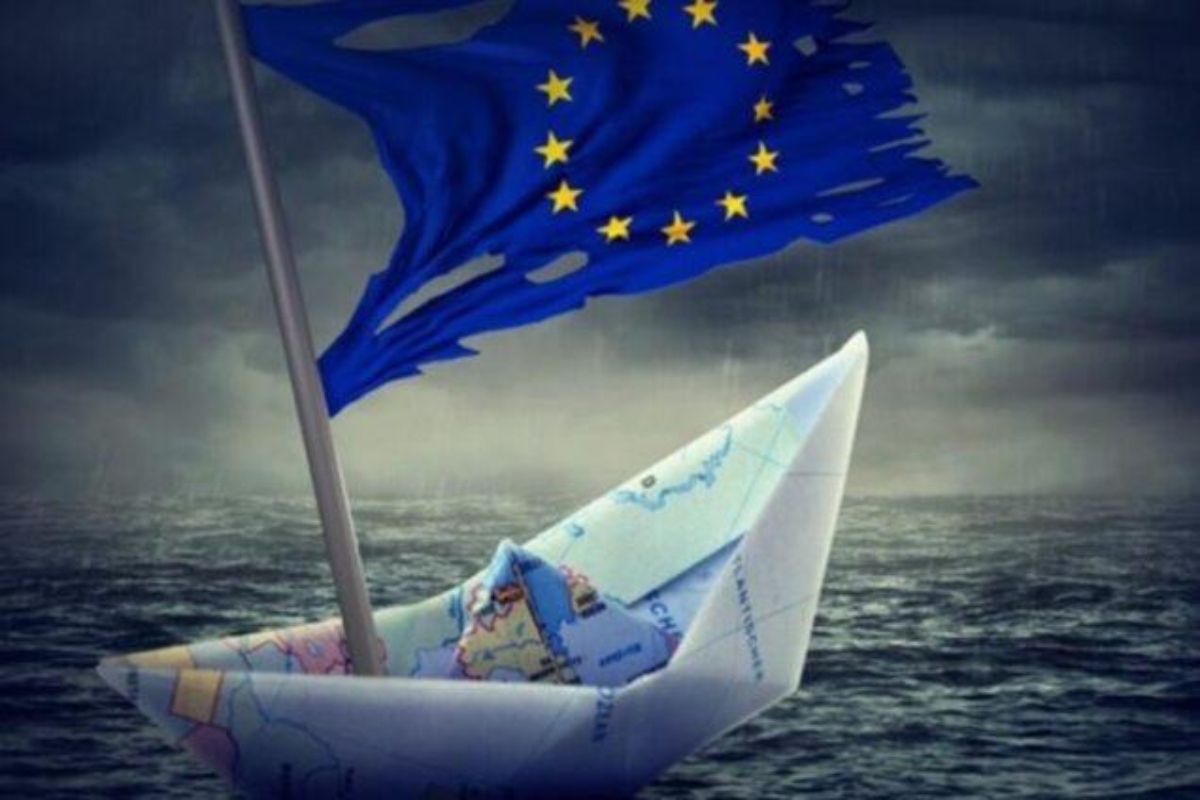
Europe is not just facing another wave of energy instability. It is entering a quieter, more complex crisis—one that may prove far more disruptive. According to Politico, the real issue is no longer just rising prices, but the growing uncertainty over fuel availability itself.
A structural vulnerability exposed
Despite efforts to diversify energy sources in recent years, the European Union remains heavily dependent on fuel imports—especially for critical products like diesel and jet fuel. Unlike natural gas, where coordinated storage strategies have been developed, liquid fuels remain a weak point with fragmented policies across member states.
This lack of unified planning leaves Europe exposed to sudden supply shocks.
Aviation and transport under pressure
The first cracks are already visible in the aviation sector. Europe relies significantly on imports of jet fuel, much of which passes through geopolitically sensitive routes such as the Strait of Hormuz.
Any disruption in these routes can trigger a chain reaction: flight delays, rising ticket prices, and operational strain across airlines and airports. What begins as a supply issue quickly evolves into a broader economic concern.
Markets shifting, Europe competing
Global fuel markets are tightening. Suppliers are increasingly redirecting shipments toward more profitable regions, particularly in Asia, where demand remains strong and prices are competitive.
At the same time, European refineries are struggling to fully meet internal demand, further deepening reliance on imports. The result is a fragile system where even minor disruptions can escalate rapidly.
A delayed political response
European institutions are beginning to react, considering measures such as mandatory fuel reserves and coordinated procurement strategies. However, these discussions come amid criticism that the response is late and lacks cohesion.
Without a unified energy strategy, the EU risks facing the crisis in a reactive rather than preventive mode.
A defining moment for energy policy
This emerging fuel crisis is more than a temporary disruption—it is a stress test for Europe’s long-term energy resilience.
In an era of geopolitical volatility, energy security is no longer just an economic issue. It is a strategic necessity.
And this time, Europe may not have the luxury of reacting too late.
Source: pagenews.gr
Διαβάστε όλες τις τελευταίες Ειδήσεις από την Ελλάδα και τον Κόσμο