Energy Power Play: Vertical Corridor Expansion Signals Greece’s Balkan Ambitions
 ΧΡΟΝΟΣ ΑΝΑΓΝΩΣΗΣ 3 '
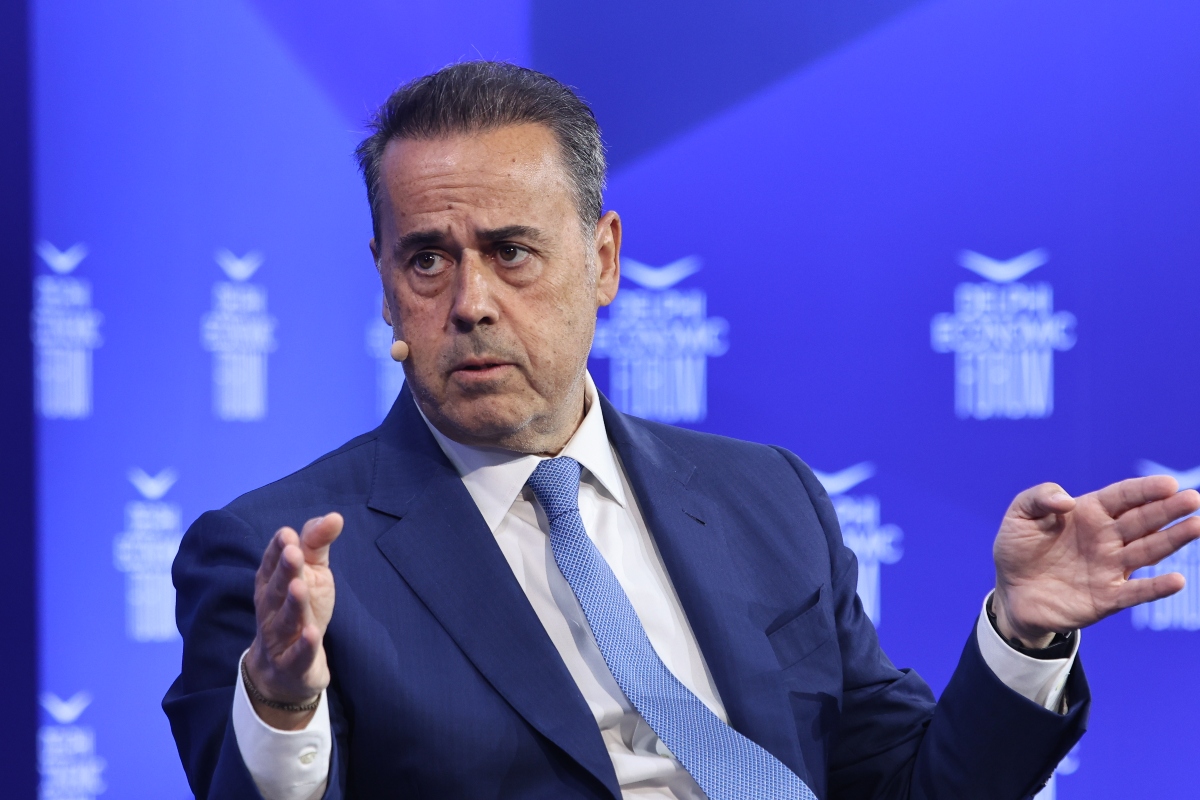
Πηγή Φωτογραφίας: eurokinissi//Energy Power Play: Vertical Corridor Expansion Signals Greece’s Balkan Ambitions



Greece is stepping up its role in Southeast Europe’s energy map, with plans to expand the Vertical Corridor turning into a strategic geopolitical move rather than just an infrastructure project.
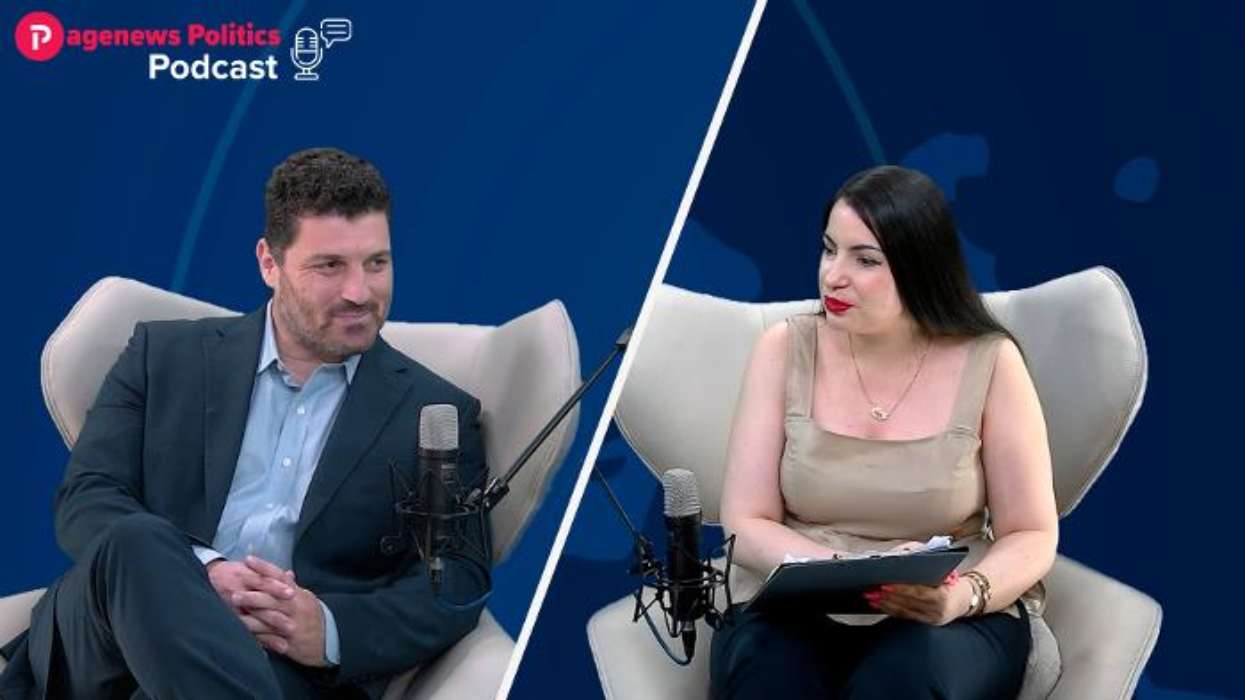
Energy Minister Stavros Papastavrou confirmed that ongoing discussions with North Macedonia and Serbia aim to connect both countries to the corridor—strengthening Greece’s position as a key transit hub for energy flows across the Balkans.
A corridor with geopolitical weight
Far from being a purely technical initiative, the Vertical Corridor is emerging as a tool of regional influence. Through it:
- Greece positions itself as a central energy gateway
- New gas routes into the Balkans are created
- Regional dependence on traditional suppliers is reduced
At the core of this strategy are long-term LNG agreements, which the government sees as essential to unlocking infrastructure investments and ensuring project viability.
Deals that reshape the map
Recent agreements with Bosnia and Herzegovina and Albania are described as key milestones.
They pave the way for binding contracts that will support new infrastructure and solidify Greece’s expanding footprint in the regional energy system.
Renewables: A strength with limitations
Greece enters this new phase with a strong renewable energy profile:
- 3rd globally in solar energy production
- 9th in wind energy
This acts as a buffer against global energy shocks. However, one major issue remains unresolved:
Energy storage.
Without sufficient storage capacity, high renewable output cannot be fully utilized—raising concerns about grid stability and long-term efficiency.
Energy crisis and political messaging
Despite ongoing tensions in the Middle East, the government highlights that electricity prices have remained stable, presenting this as proof of effective energy planning.
At the same time, officials stress that there is fiscal space for targeted support measures, should the crisis deepen.
Political undertones
Energy policy is closely intertwined with broader political messaging. The minister:
- Emphasized respect for institutions and the judiciary
- Criticized Alexis Tsipras, pointing to a lack of genuine self-criticism
- Ruled out early elections, underscoring the need for political stability
The bigger picture
The expansion of the Vertical Corridor signals more than infrastructure growth. It reflects a strategic repositioning of Greece:
- Strengthening geopolitical influence
- Attracting energy investments
- Redefining regional energy balances
The key question now is whether Greece can sustain this momentum—or whether technical, financial, and political challenges will slow its ambitions.
Either way, the region’s energy landscape is entering a new and more competitive era.
Source: pagenews.gr
Διαβάστε όλες τις τελευταίες Ειδήσεις από την Ελλάδα και τον Κόσμο