Europe Without the U.S. Umbrella? Berlin Signals Strategic Awakening
 ΧΡΟΝΟΣ ΑΝΑΓΝΩΣΗΣ 3 '
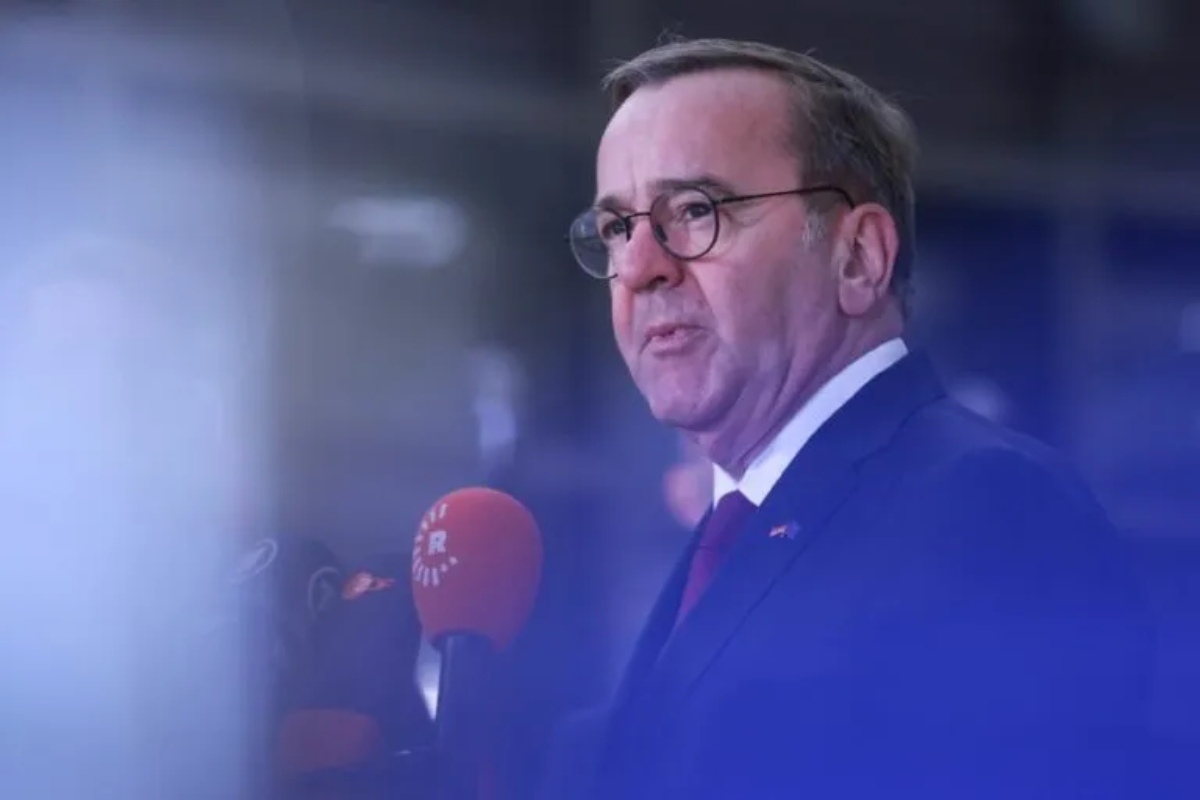
Πηγή Φωτογραφίας: AP Photo//Europe Without the U.S. Umbrella? Berlin Signals Strategic Awakening



The decision by the Pentagon to withdraw around 5,000 troops from Germany has been framed in Berlin not as a shock—but as an expected strategic adjustment.
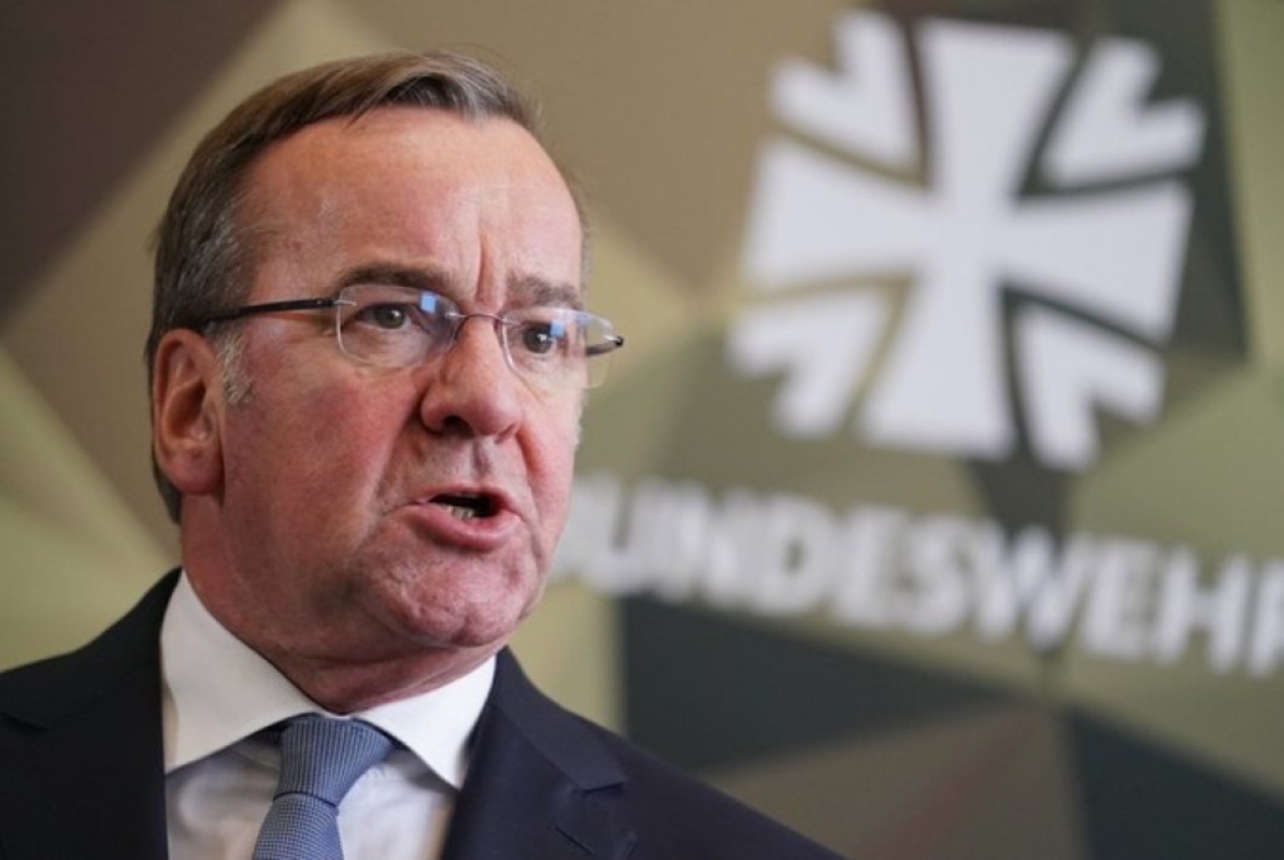
German Defense Minister Boris Pistorius made it clear: Europe must take on a larger share of its own security burden.
“We must become more European”
Speaking after the announcement, Boris Pistorius emphasized:“We must become more European within NATO in order to remain transatlantic.”
The statement captures a shifting doctrine:less structural dependence on the United States, and more European responsibility within the alliance framework.
At the same time, Berlin acknowledges that U.S. forces stationed in Germany serve American strategic interests as well, particularly in operations linked to:
- the Middle East
- Africa
- ongoing support for Ukraine
Strategic hubs remain critical
Despite the partial withdrawal, key U.S. military infrastructure in Germany remains intact:
- Ramstein Air Base
- Grafenwoehr Training Area
- Frankfurt
These installations are essential for:
- NATO command and logistics
- force projection beyond Europe
- coordination of multinational operations
The “Group of Five” and Europe’s defense pivot
Berlin is increasingly prioritizing coordination with a core group of European powers:
- United Kingdom
- France
- Poland
- Italy
This emerging alignment—informally dubbed the “Group of Five”—signals a push toward a more autonomous European pillar within NATO, rather than a break from it.
Washington’s broader signal
The troop reduction reflects wider U.S. strategic priorities:
- Reallocation of resources toward the Indo-Pacific
- Continued pressure on European allies to increase defense spending
- A gradual shift away from underwriting Europe’s full security architecture
Even with roughly 40,000 U.S. troops still in Germany, the message is clear:Europe must prepare for a future with less direct American military presence.
Germany’s response: rearmament and reform
Germany is already adapting:
- Accelerating procurement and defense modernization
- Expanding military infrastructure
- Strengthening the Bundeswehr
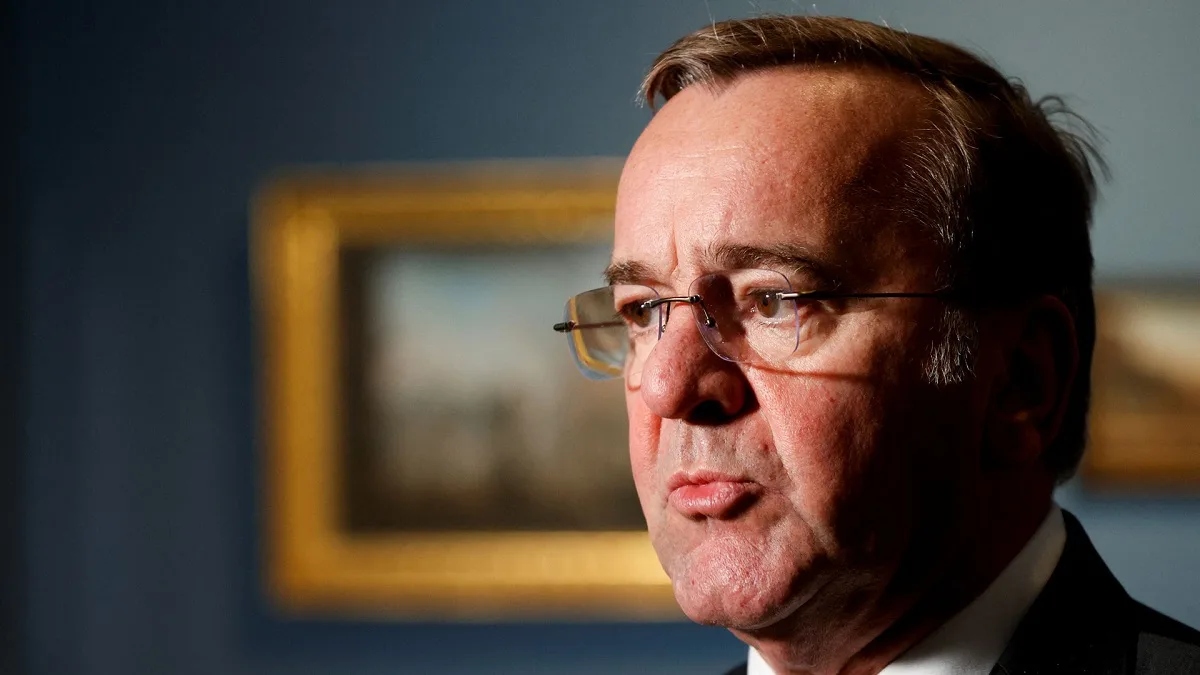
As Boris Pistorius noted:“We are growing: expanding our armed forces, acquiring equipment faster, and investing in innovation.”
Geopolitical assessment
This development marks a deeper structural shift:
- Europe is moving toward strategic maturity in defense
- NATO is evolving into a more balanced alliance
- Transatlantic relations are shifting from dependence to burden-sharing
Yet key questions remain:
- Can Europe realistically fill the capability gap?
- Will “strategic autonomy” translate into real military power?
- How will Russia respond to a more assertive European defense posture?
The U.S. troop drawdown from Germany is more than a logistical move—it is a strategic inflection point:
- Europe is being pushed to take ownership of its defense
- The U.S. is redefining its global military posture
- NATO is entering a new phase of internal rebalancing
Berlin’s message is unambiguous:Europe’s security future will depend increasingly on Europe itself.
Source: pagenews.gr
Διαβάστε όλες τις τελευταίες Ειδήσεις από την Ελλάδα και τον Κόσμο