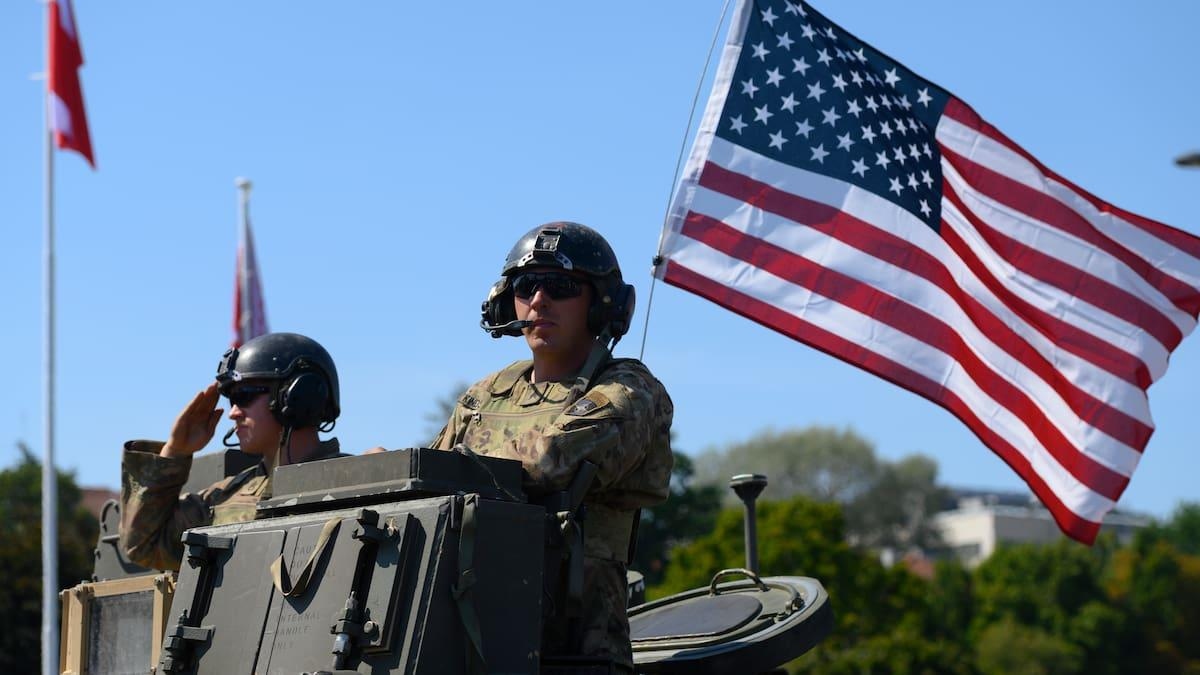
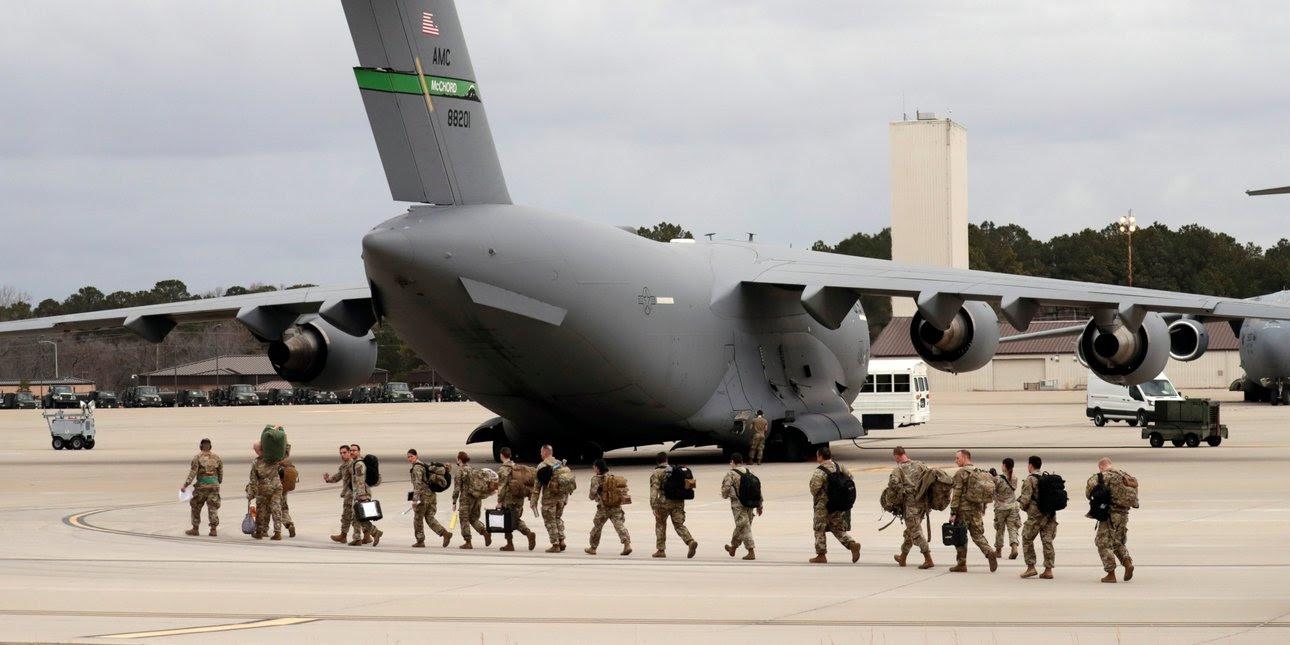
The decision by the United States to withdraw 5,000 troops from Germany is not just a military adjustment—it is a strategic signal of deepening political fracture across the Atlantic.
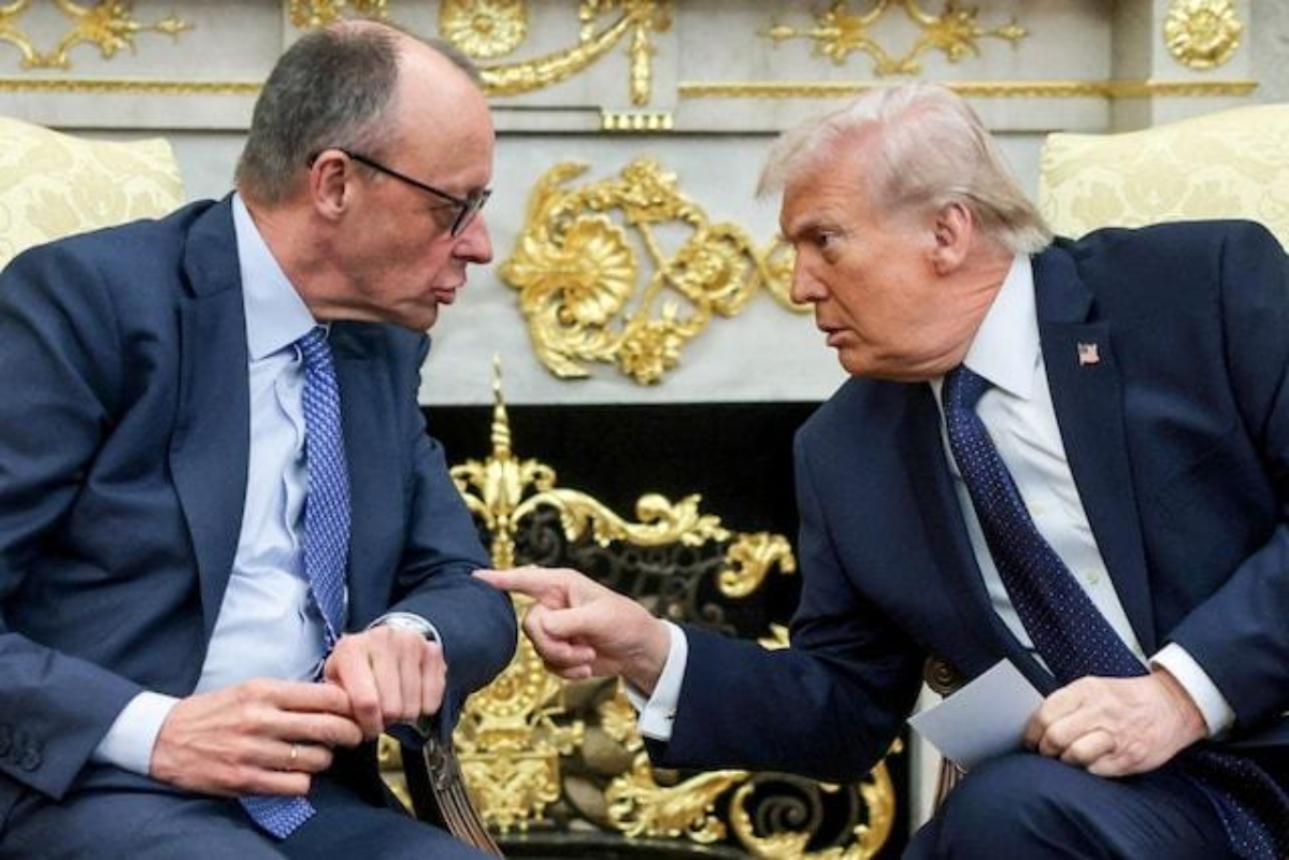
At the center lies an escalating dispute between Trump and Merz, triggered by disagreements over the Iran war and burden-sharing within NATO. What was once quiet diplomatic friction has now become public confrontation with military consequences.
A Withdrawal with a Message
Germany has long served as the backbone of US military presence in Europe, hosting tens of thousands of troops and critical infrastructure such as Ramstein Air Base.
“This decision reflects growing tensions with European allies.”
The planned withdrawal, expected within months, includes key operational units—making it clear that this is not symbolic, but strategically consequential.
NATO Under Pressure
The move raises serious concerns about the cohesion and credibility of NATO:
- Germany is a central logistics and command hub
- US forces are essential to deterrence in Europe
- A reduction creates gaps in rapid response capability
“Reducing forces during multiple global crises sends the wrong signal.”
For Eastern European states especially, the decision could heighten fears of reduced deterrence against Russia.
Strategic Shift or Political Pressure?
Washington frames the withdrawal as part of a broader recalibration:
- Pivot toward the Indo-Pacific
- Pressure on Europe to increase defense spending
- Reduced reliance on permanent overseas bases
“Europe must take more responsibility for its own defense.”
Yet the timing—amid war tensions with Iran—suggests the move doubles as political leverage aimed at allies.

Europe’s Strategic Dilemma
The crisis revives a fundamental question:
Can Europe defend itself without the United States?
Merz has hinted that Europe may need to consider alternative security structures, even beyond NATO frameworks.
Meanwhile:
- Germany is increasing defense spending
- The EU debates “strategic autonomy”
- Trust in Washington’s long-term commitment is eroding
A Broader Crisis of Trust
This is not an isolated move.
The Trump administration has:
- criticized allies for insufficient support
- floated further troop reductions elsewhere in Europe
- reframed alliances in transactional terms
The transatlantic relationship is shifting:
- from partnership
- to conditional cooperation
- to open divergence of interests

The withdrawal of 5,000 US troops marks a turning point:
- It is not merely military
- It is deeply political
- And strategically transformative
Europe now faces a defining choice:remain dependent on US security guarantees—or evolve into an autonomous geopolitical actor.
One thing is clear:the era of unquestioned American protection in Europe is over.
Source: pagenews.gr