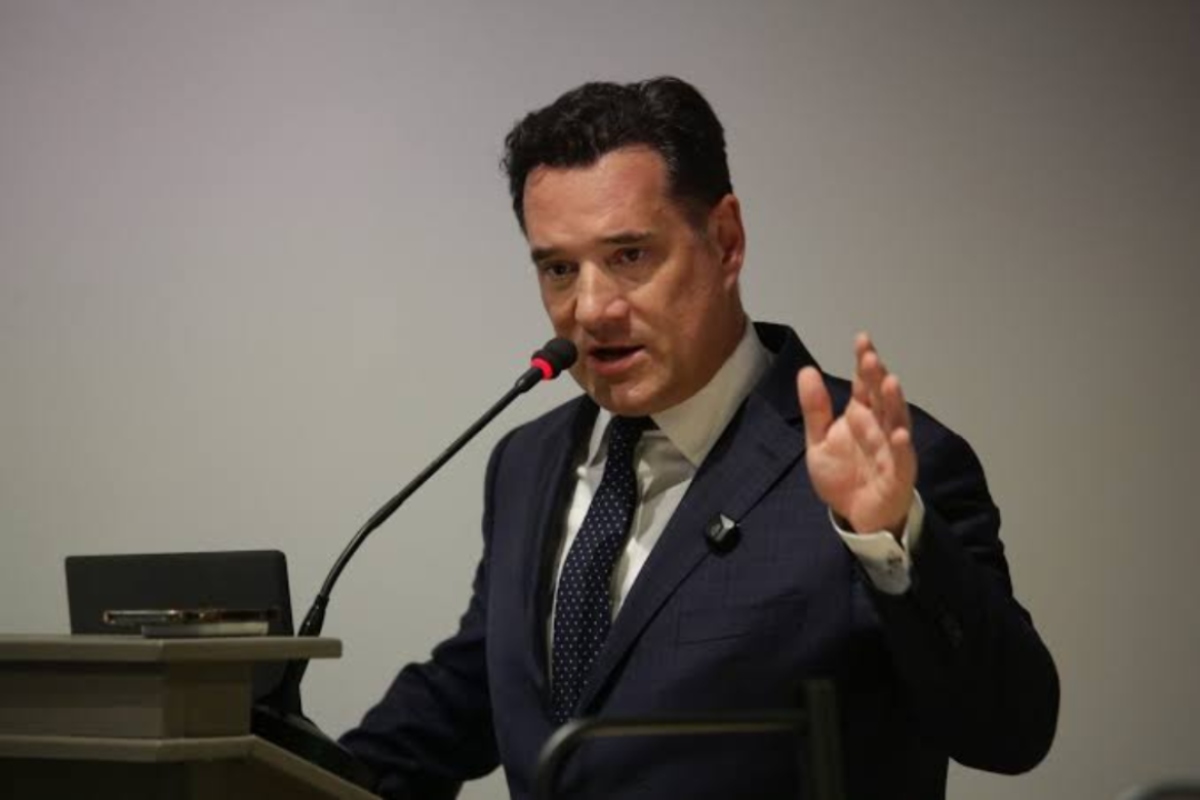
Greek Health Minister Adonis Georgiadis hailed a major new agreement involving ONEX Shipyards and Hanwha Ocean, describing it as one of the largest commercial deals in the country’s modern history and a personal vindication of his long-standing support for the investment in Elefsina.
In a post on X, Georgiadis pointed to the scale of the agreement and revisited past political disputes, including opposition votes in parliament, arguing that despite criticism he “takes pride” in what has been achieved.
Behind the political messaging, however, the deal signals a far broader industrial and geopolitical shift for Greece.
The €1.35 billion Elefsina transformation
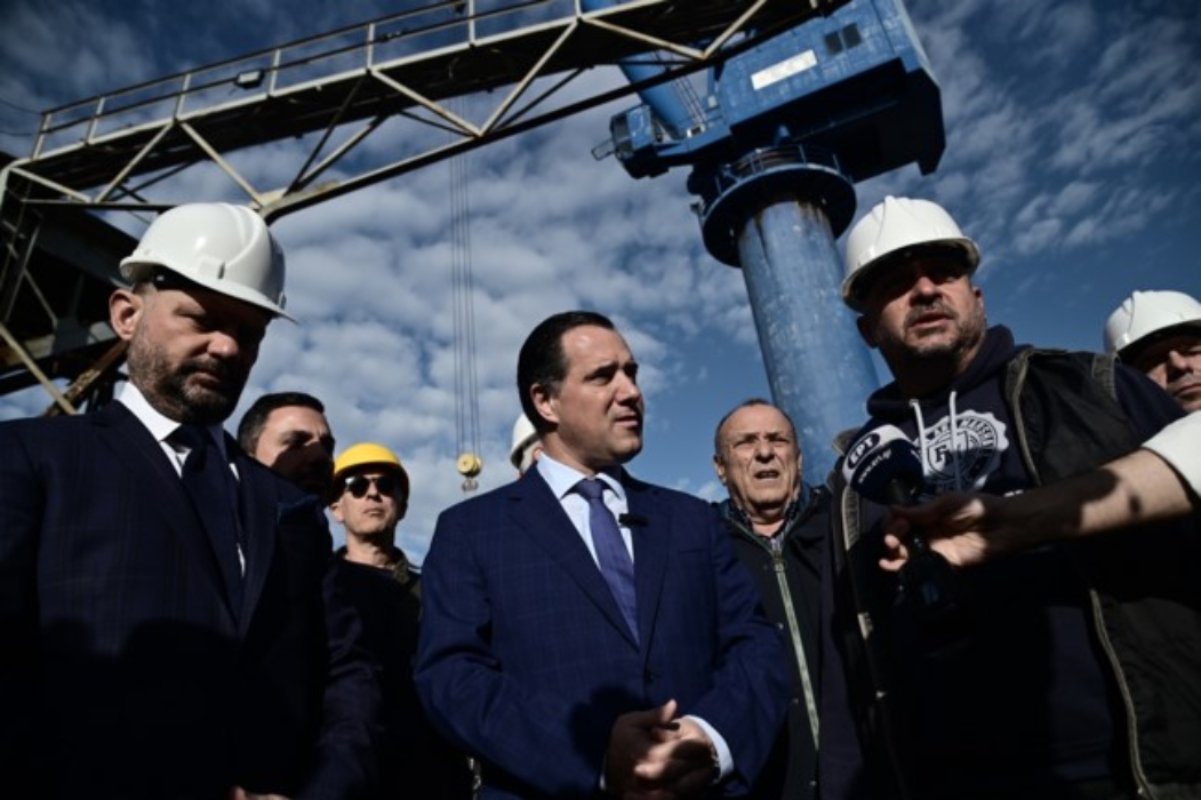
According to available details from the agreement framework, the ONEX–Hanwha Ocean partnership is part of a wider investment plan estimated at €1.35 billion, aimed at transforming the Elefsina shipyards into a modern industrial and defence-oriented hub.
The project reportedly includes:
- Full modernization of shipbuilding and dry dock facilities
- Expansion of logistics and port infrastructure
- Capability development for naval and defence maintenance projects
- Creation of a regional hub serving Southeast Europe and the Eastern Mediterranean
The initiative is designed to position Elefsina as a strategic alternative industrial node alongside Greece’s existing maritime infrastructure, particularly Piraeus.
A new defence and energy node in the Eastern Mediterranean
Beyond shipbuilding, the project is increasingly being framed as a dual-use industrial hub, combining commercial maritime activity with defence and energy logistics capabilities.
Strategic objectives include:
- Support infrastructure for allied naval operations
- Energy supply chain and LNG-related logistics
- Regional maintenance and repair services for commercial and military fleets
- Integration into broader NATO-aligned industrial resilience planning
Analysts describe the investment as part of a wider Western effort to strengthen industrial capacity in the Eastern Mediterranean amid rising geopolitical competition.
ONEX and Hanwha: an expanding transnational partnership
The cooperation between Greek shipbuilder ONEX and South Korea’s Hanwha Ocean extends beyond Greece, with reported ambitions for joint industrial projects in Europe and potentially the United States.
The partnership reflects a broader trend of defence-industrial integration between allied economies, focusing on:
- shipbuilding modernization
- energy and logistics infrastructure
- defence supply chain resilience
- cross-border industrial cooperation
This places the Elefsina project within a global framework of industrial realignment rather than a purely domestic investment.
Political framing: credit, controversy, and industrial revival
Georgiadis’ remarks highlight a recurring feature of Greek infrastructure politics: the battle over ownership of major investment narratives.
The government presents the Elefsina deal as evidence of successful long-term policy intervention and industrial recovery, while critics in the past have questioned aspects of privatisation strategies and parliamentary positions.
Supporters argue that the project represents the revival of a strategic industrial sector that had been in decline for decades.
The broader stakes for Greece
Beyond domestic politics, the Elefsina investment is part of a wider attempt to reposition Greece as:
- a logistics and energy corridor between Europe, Asia, and the Middle East
- a defence-industrial partner within NATO structures
- a regional hub for maritime infrastructure and ship repair services
This aligns with broader European and transatlantic efforts to strengthen industrial capacity in critical sectors such as shipbuilding, energy, and defence manufacturing.

More than a shipyard deal
While politically framed as a personal and governmental success story, the Elefsina agreement represents something larger than domestic credit-claiming.
It is an attempt to redefine Greece’s role in the regional industrial hierarchy — shifting from fragmented shipyard capacity to a coordinated, geopolitically relevant industrial hub.
Whether the project ultimately delivers sustained industrial transformation or becomes another over-promised infrastructure cycle will depend on execution, capital flows, and the stability of the broader geopolitical environment shaping the Eastern Mediterranean.
Source: pagenews.gr