Greece Blocks New Russia Sanctions as LNG Shipping Battle Exposes Europe’s Hidden Maritime Power Struggle
 ΧΡΟΝΟΣ ΑΝΑΓΝΩΣΗΣ 6 '
Πηγή Φωτογραφίας: AP Photo//Greece Blocks New Russia Sanctions as LNG Shipping Battle Exposes Europe's Hidden Maritime Power Struggle



Maritime Power at the Center of Europe’s Geopolitical Chessboard
The dispute surrounding the European Union’s 21st package of sanctions against Russia has evolved into far more than another debate over foreign policy. Behind the negotiations lies an intense struggle over maritime power, energy logistics, and Europe’s future geopolitical influence, placing Greece and Germany on opposing sides of one of the bloc’s most strategically significant economic confrontations.
According to the Financial Times, Greece has delayed approval of the sanctions package by refusing to support a proposed ban on transporting Russian LNG to third countries. Athens argues that the measure would effectively cripple Dynagas, the LNG shipping company controlled by Greek shipowner George Prokopiou, while simultaneously weakening Europe’s own strategic maritime capabilities.
More Than One Company—A Strategic Maritime Asset
For Greece, this is not merely about protecting a single shipping company.
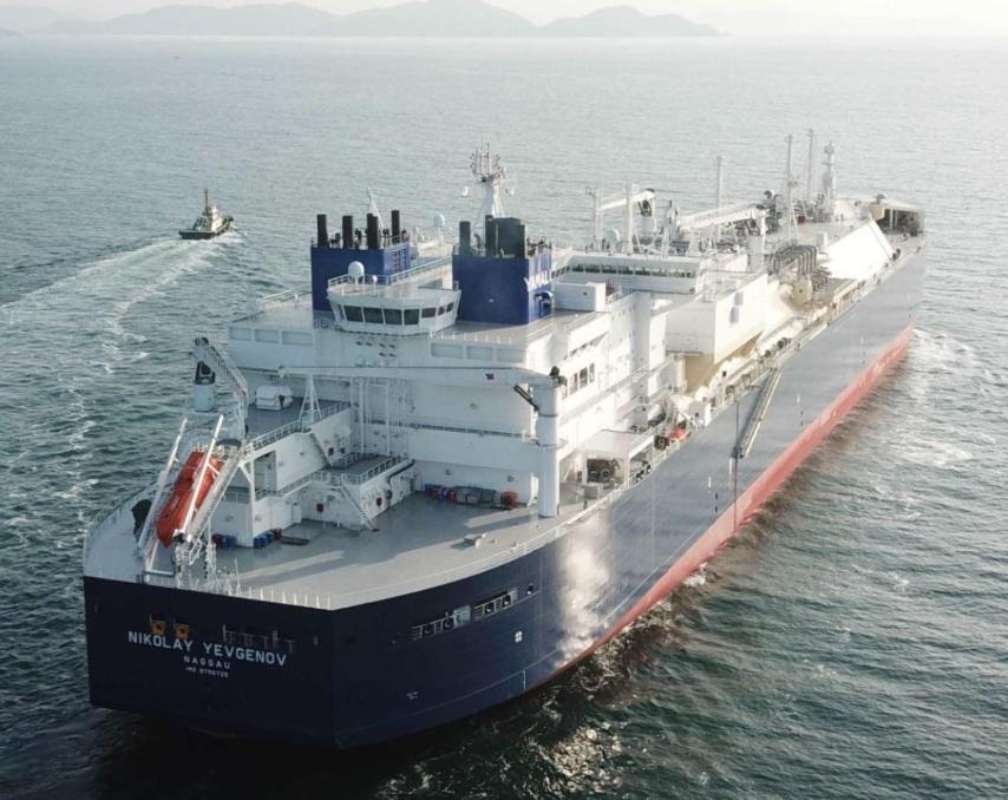
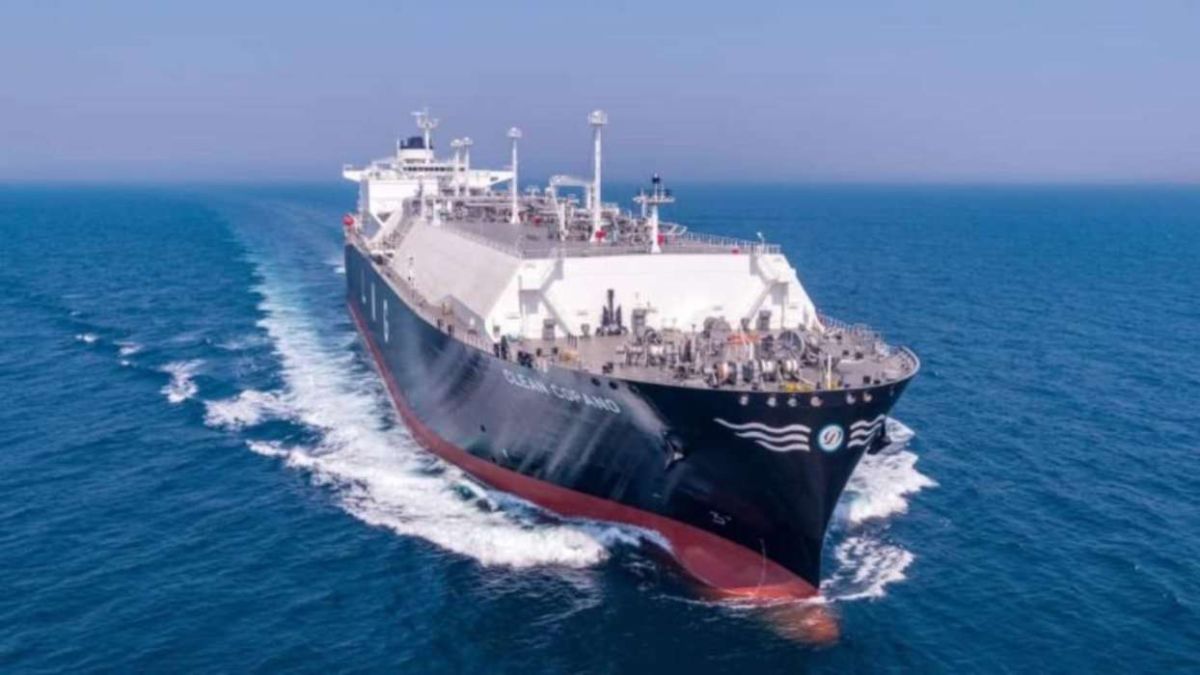
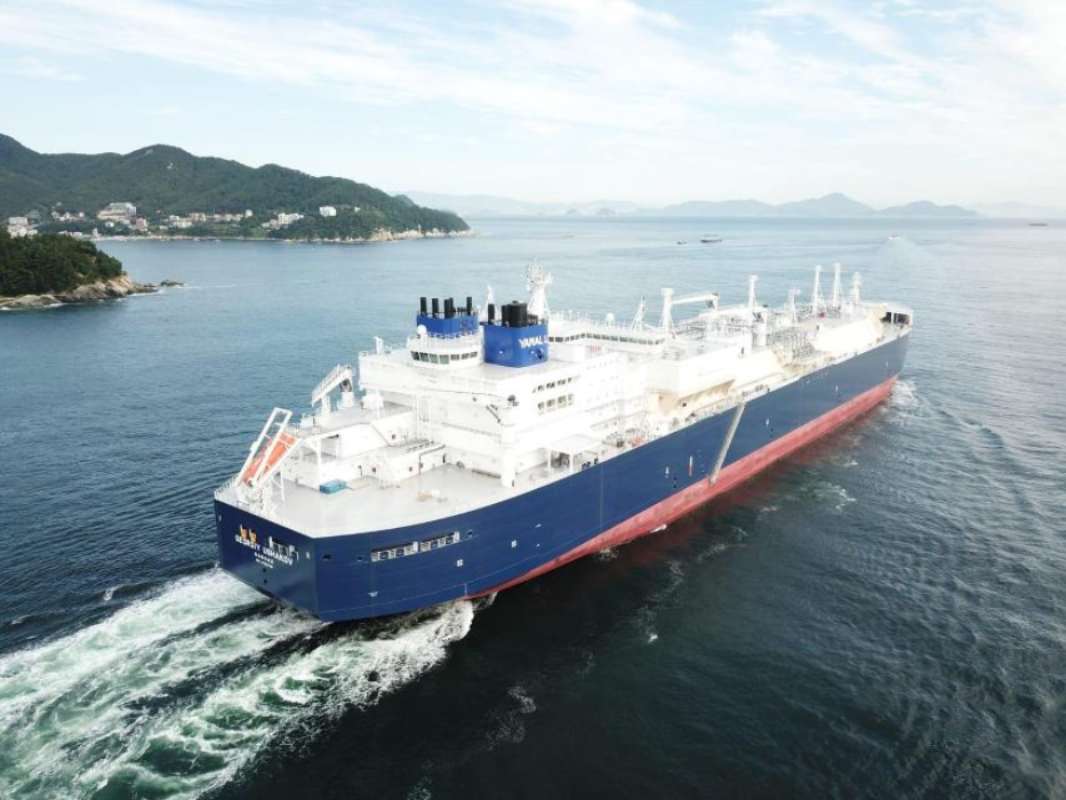
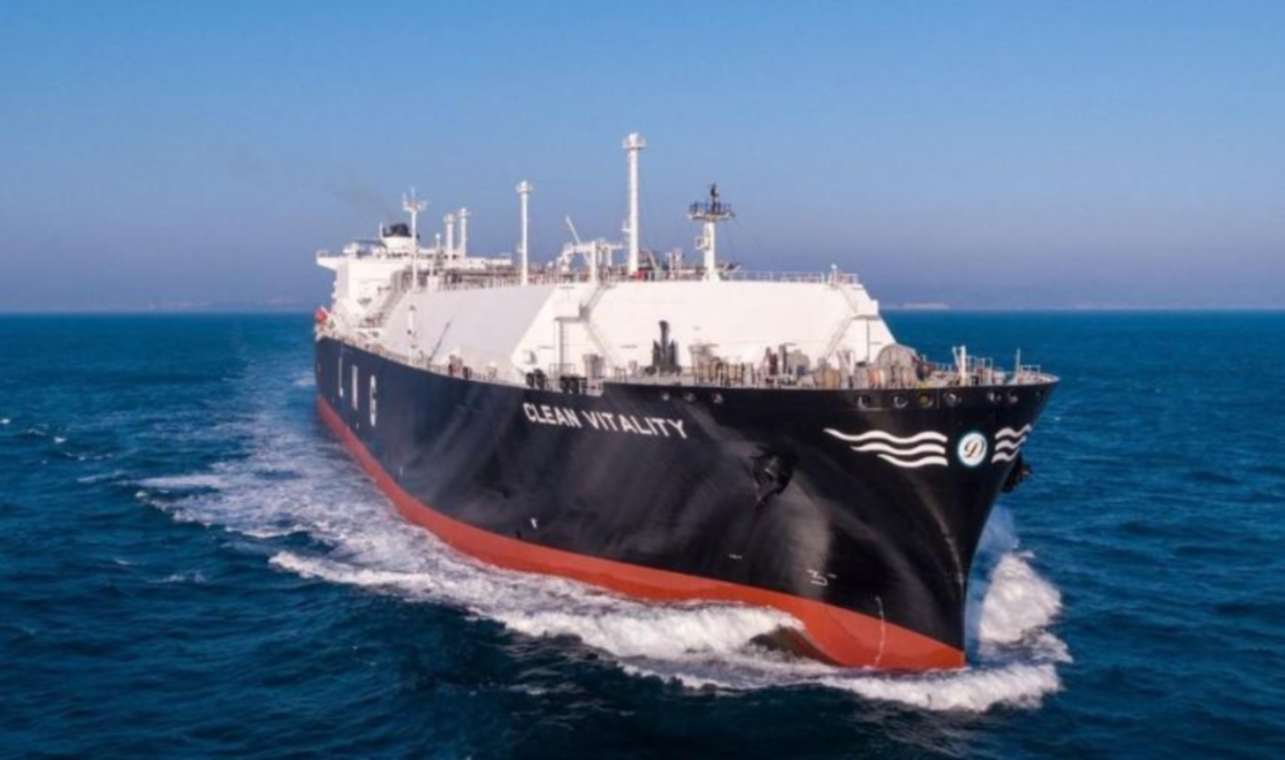
Dynagas operates roughly one-third of the world’s Arc7 ice-class LNG carriers, among the most technologically advanced commercial vessels ever built. Each vessel costs approximately $300 million and was specifically designed to operate in the Arctic, serving Russia’s Yamal LNG project under extreme ice conditions.
Unlike conventional LNG carriers, Arc7 vessels have highly specialized capabilities, making them difficult to redeploy to alternative commercial markets.
Athens’ argument is straightforward:
If Europe forces these ships out of Russian LNG transportation, the vessels will not disappear—they will simply be sold to non-Western buyers.
Potential purchasers would likely include companies from Russia, China, or other Asian markets, transferring highly specialized assets, expertise, and operational capacity beyond European control.
The Battle for Global Energy Shipping Routes
Greek-owned shipping remains the world’s largest operator of tanker and LNG fleets, giving Greece influence that extends far beyond its economic size.
As Europe restructures its energy supply following Russia’s invasion of Ukraine, maritime transport has become one of the most critical components of global energy security.
At the same time:
- Russia is redirecting energy exports toward Asia.
- Europe is diversifying LNG imports.
- Middle Eastern instability continues to threaten global energy markets.
Control over maritime energy transportation is increasingly becoming as strategically important as pipelines themselves.
A Long-Running Rivalry Between Athens and Berlin
The current disagreement reflects a much deeper competition between Greece and Germany over Europe’s maritime industry.
During Greece’s sovereign debt crisis, Berlin repeatedly criticized the country’s favorable tax regime for shipping companies, arguing that Greek shipowners enjoyed excessive competitive advantages.
Athens viewed these efforts differently.
Greek officials and industry leaders interpreted many of these initiatives as part of a broader attempt to shift shipping management, financing, and maritime services from Piraeus toward Hamburg, particularly after Germany’s own shipping sector suffered severe losses following the collapse of the KG shipping investment model and the retreat of German banks from maritime finance.
Meanwhile, Greek shipowners acquired large numbers of vessels from distressed German portfolios, further strengthening Greece’s dominant position in global shipping.
Sanctions as Instruments of Economic Realignment
Economic sanctions do more than pressure targeted governments.
They also reshape markets.
When European shipping companies lose access to certain trades:
- competitors gain market share,
- alternative shipping hubs emerge,
- insurance and financing networks shift,
- and new maritime alliances are formed.
Critics of the proposed LNG restrictions argue that banning European operators from Arctic LNG transportation would not significantly reduce Russia’s export capabilities. Instead, it could accelerate the transfer of valuable maritime assets and commercial opportunities to operators outside the Western sanctions regime.
The Prokopiou Factor
George Prokopiou is widely regarded as one of Greece’s most influential shipowners.
Through Dynagas and Dynacom, his group has established a major presence in both LNG and crude oil transportation, making it a significant player in global energy logistics.
According to figures cited by the Financial Times, Dynacom has generated substantial revenues from transporting Russian crude oil since the introduction of Western sanctions, while remaining active in sensitive maritime corridors such as the Strait of Hormuz, where geopolitical tensions have driven freight rates sharply higher.
This explains why the dispute carries importance far beyond one company’s commercial interests.
Europe’s Real Dilemma
The central question extends beyond whether the EU will approve another sanctions package.
The broader issue is who will control the maritime infrastructure supporting global energy flows over the coming decade.
Europe faces a strategic dilemma.
Should it pursue increasingly restrictive sanctions even if they weaken parts of its own maritime industry, or should it preserve Europe’s position in sectors where Chinese, Russian, and other Asian operators are rapidly expanding their influence?
Athens appears to view Greek shipping not merely as a commercial sector, but as a strategic instrument of national power, integral to Europe’s energy resilience and global maritime competitiveness.
The Dynagas dispute has become one of the European Union’s most significant geoeconomic confrontations in recent years.
Behind the debate over sanctions lies a much larger contest over maritime dominance, energy security, industrial competitiveness, and Europe’s role in the evolving global shipping order. The outcome of the negotiations could influence not only the future of one of the world’s most specialized LNG fleets, but also the balance of maritime power between Piraeus, Hamburg, and the emerging energy hubs shaping the next phase of global geopolitics.
Source: pagenews.gr
Διαβάστε όλες τις τελευταίες Ειδήσεις από την Ελλάδα και τον Κόσμο