Adonis: “The Battle for Greek Ports – Trump, ONEX and the Geopolitical Shift”
 ΧΡΟΝΟΣ ΑΝΑΓΝΩΣΗΣ 6 '
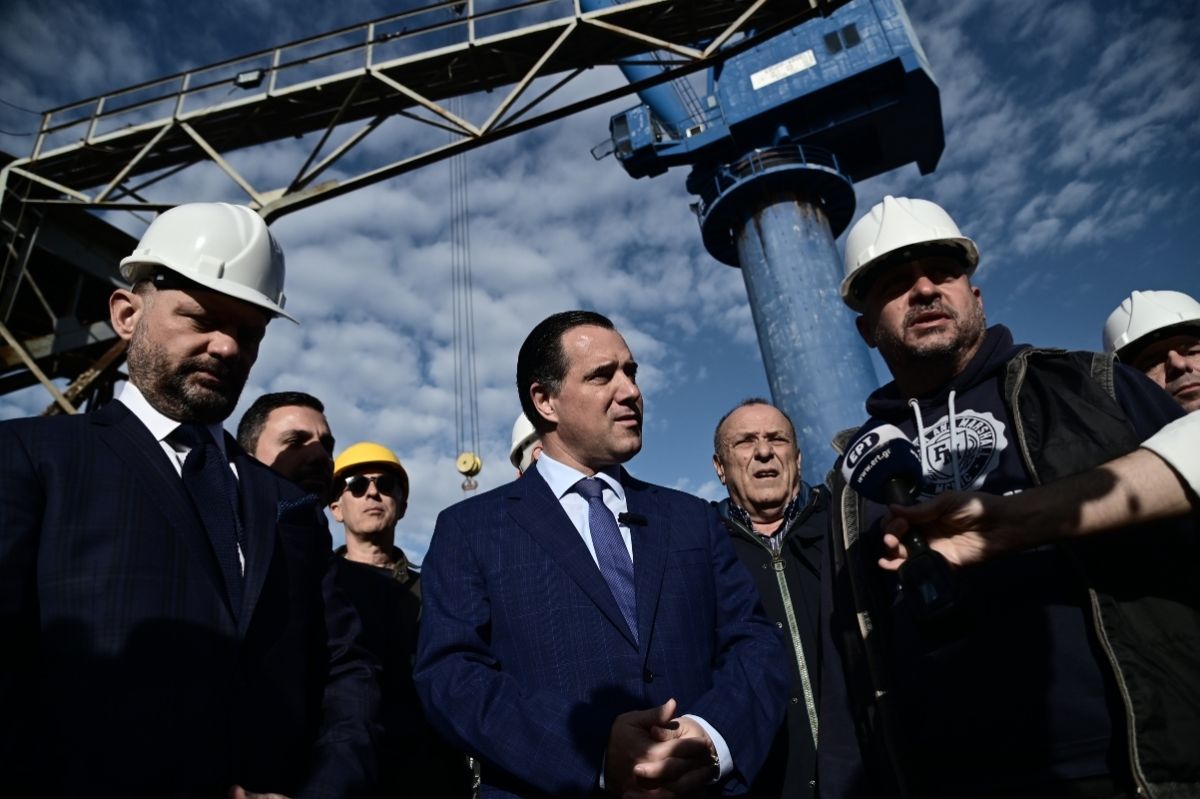
Πηγή Φωτογραφίας: eurokinissi//Adonis: “The Battle for Greek Ports – Trump, ONEX and the Geopolitical Shift”



Greece at the Center of a New Maritime Power Game
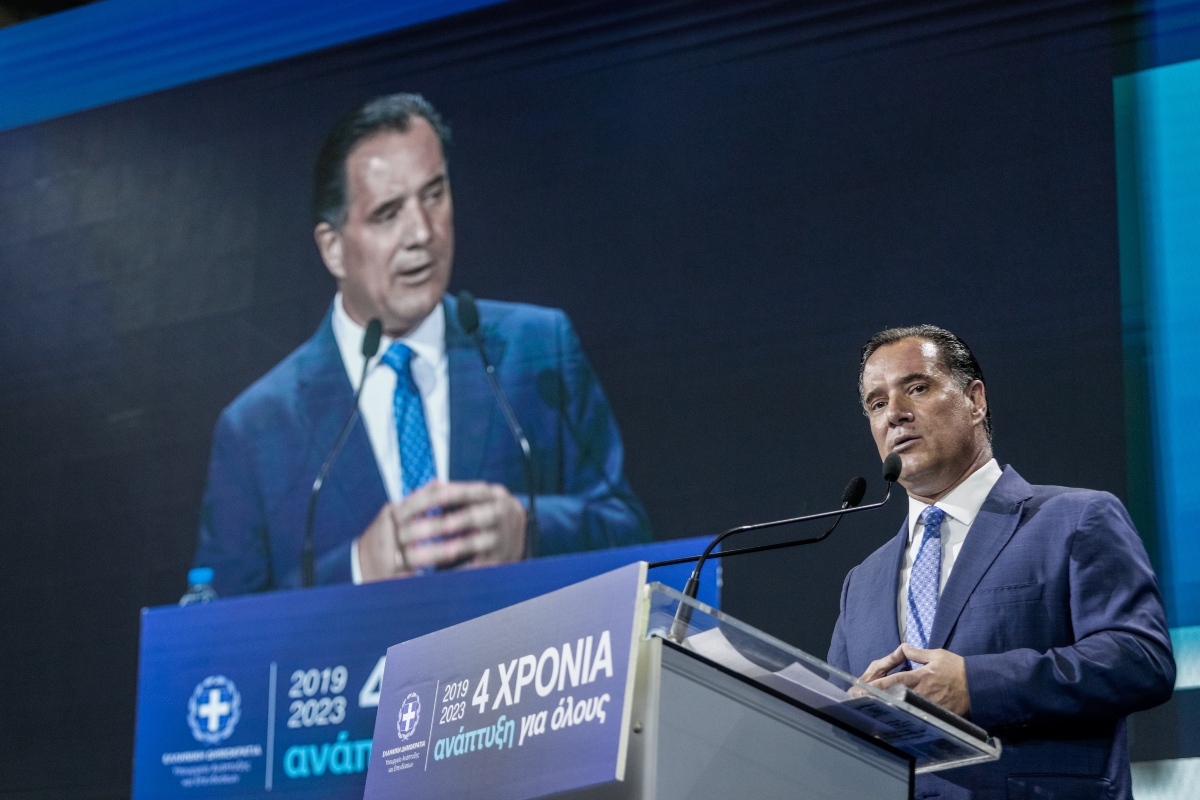
Adonis Georgiadis has reignited geopolitical debate with a statement posted on X, referencing his interview with Breitbart News and outlining Greece’s emerging role in the global contest over strategic ports and shipping corridors.
According to his framing, Greece is no longer a passive transit hub but a frontline state in a wider competition between Western powers and China for control over critical infrastructure.
“Greece is no longer just a passageway for trade, but a strategic arena of power competition,” he has emphasized in similar political messaging.
TRUMP ERA – REPOSITIONING AMERICAN STRATEGY IN THE MEDITERRANEAN
The Greek minister places significant political weight on the first term of Donald Trump, describing it as a turning point in the West’s strategic response to China’s expanding maritime footprint.
In this interpretation, U.S. engagement in Greek infrastructure projects marked a broader shift toward active geopolitical competition in key global shipping lanes.
“During the first Trump administration, the conditions were created for a real Western investment counterweight,” Georgiadis has stated in essence.
ONEX & ELEFSINA – THE INDUSTRIAL TURNING POINT
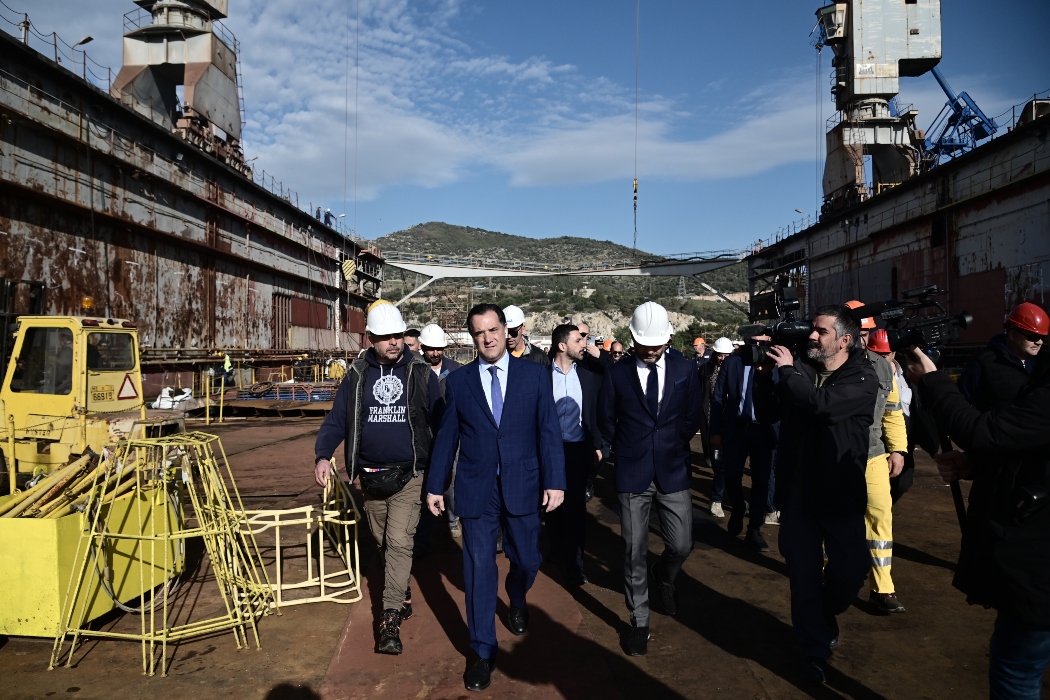
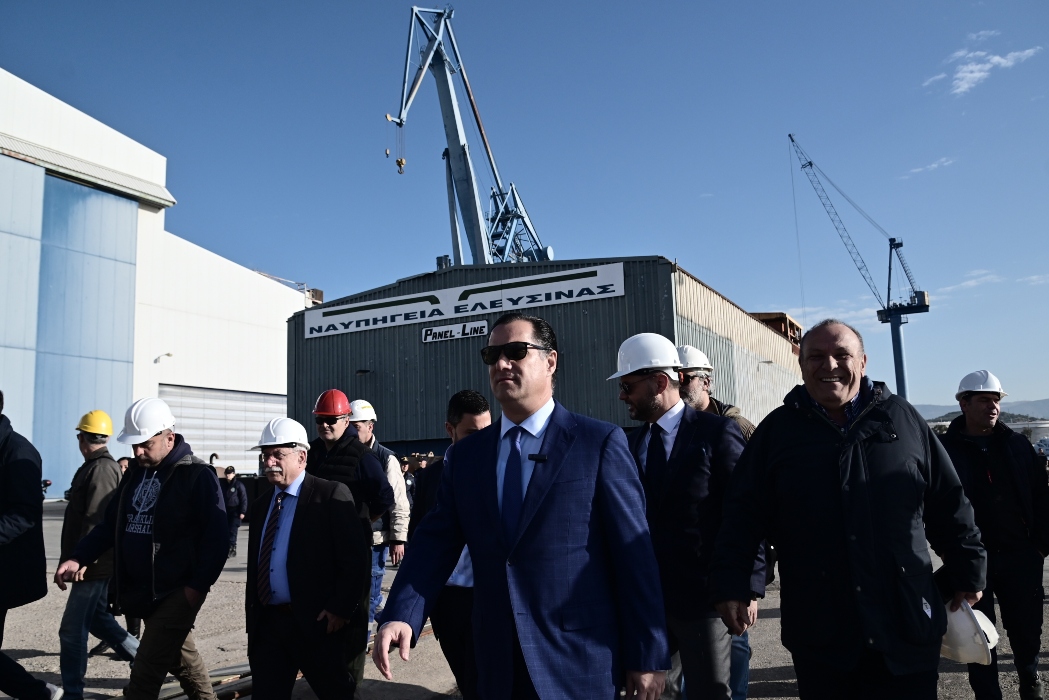
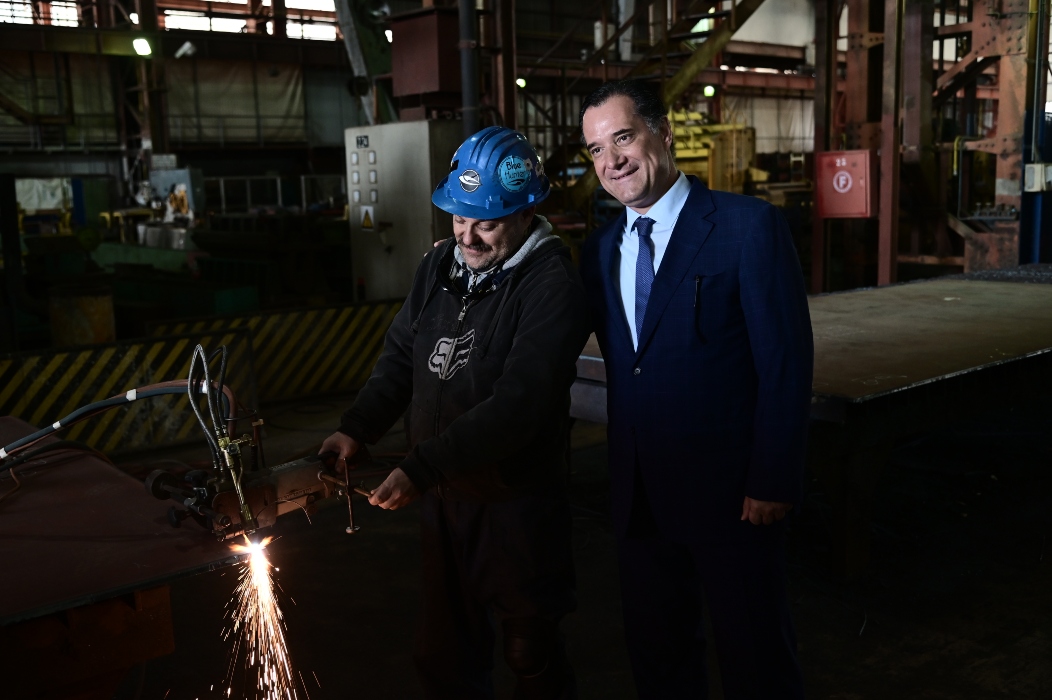
A central pillar of the narrative is the role of ONEX Shipyards and the revival of the Elefsina shipyards.
According to Georgiadis, the transformation of the formerly distressed facilities was not merely an economic recovery project but a strategic repositioning of Greece’s industrial and defense capabilities.
“The investment in Elefsina was not just economic – it was a strategic national choice,” he argues.
The project is presented as part of a broader effort to strengthen domestic industrial sovereignty in critical maritime sectors.
THE PIRAEUS FACTOR – CHINA’S STRATEGIC FOOTPRINT
The port of Piraeus, partially operated by COSCO, remains at the center of geopolitical competition.
In this framework, Chinese investment is described as part of a long-term strategy to secure influence over key European entry points for global trade.
The counter-development of alternative infrastructure projects, including Elefsina, is framed as a balancing mechanism within this rivalry.
“Control of ports means control of trade flows – and ultimately geopolitical influence,” is the underlying strategic logic reflected in his position.
GEOPOLITICAL REPOSITIONING – GREECE AS A STRATEGIC HUB
Georgiadis places Greece within a broader global triangle of competition involving the United States, China, and Europe.
Key strategic arguments include:
- Greece’s geographic position between Europe, Asia, and Africa
- Its role as a gateway to the European market
- The growing importance of maritime logistics in global power competition
“Our geography places us at the center of developments – this is both an opportunity and a responsibility,” he notes.
FROM ECONOMIC RECOVERY TO STRATEGIC STATECRAFT
Adonis Georgiadis concludes that Greece’s recent infrastructure developments reflect a deeper transformation: from economic crisis management to geopolitical relevance.
“Greece has moved into a new era – from crisis country to strategic country,” he emphasizes.
The overarching narrative positions Greece as an emerging node in global geopolitical competition, where investment decisions are inseparable from strategic alignment and international power dynamics.
FULL INTERVIEW – BRIEF SUMMARY (AS PUBLISHED SOURCE)https://www.breitbart.com/politics/2026/04/13/exclusive-waterway-wars-greek-official-reveals-trump-guilfoyle-chinas-dragons-head-port/
(Unedited reference summary based on the original Breitbart News interview)
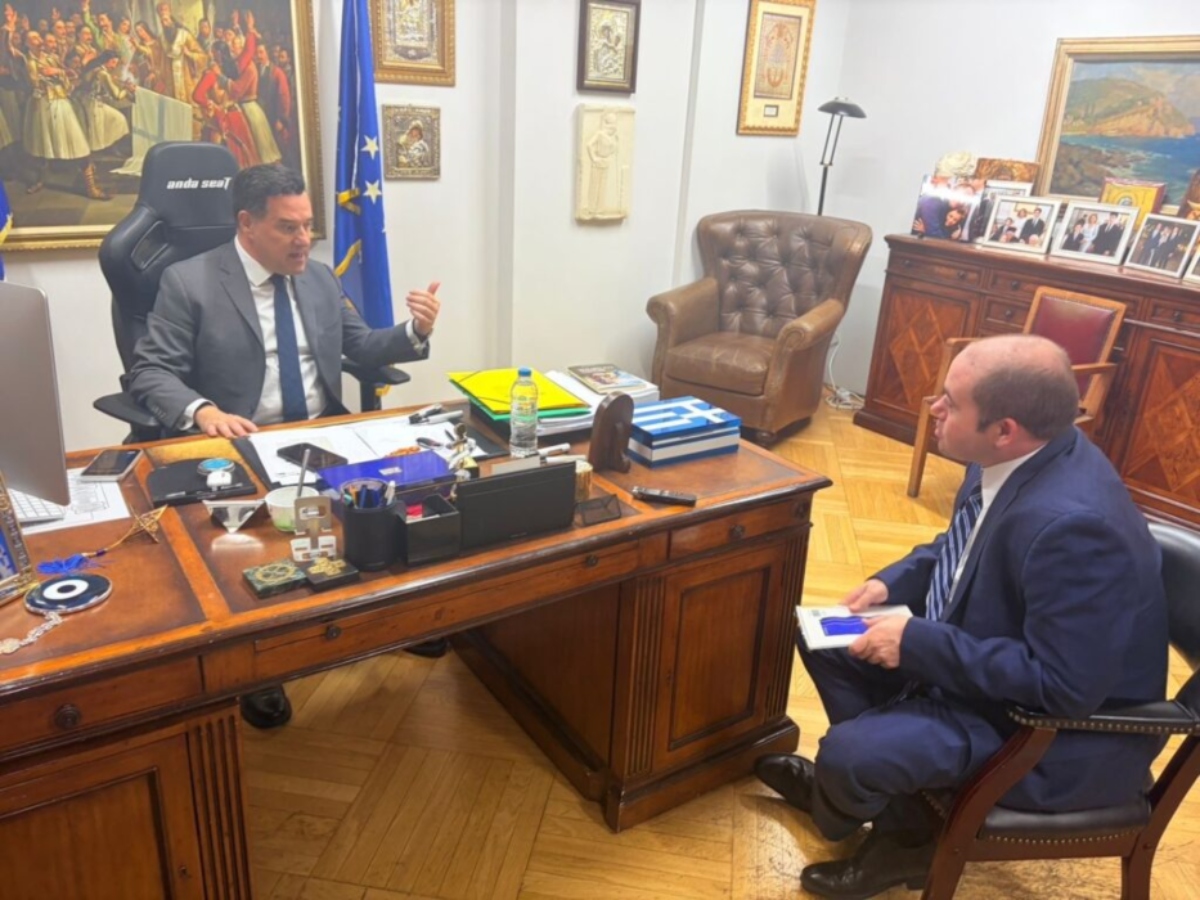
Exclusive — Waterway Wars: Greek Official Reveals How Trump, Guilfoyle Severed China’s ‘Dragon’s Head’ Port Advantage in ‘Gateway to Europe’
ATHENS, Greece — The Strait of Hormuz is not the only strategic waterway under global attention, as broader maritime routes and ports have become central in the escalating U.S.–China geopolitical competition.
A senior Greek government official described how U.S. engagement during the Trump administration helped counter Chinese influence in the Eastern Mediterranean, particularly after a Chinese state-linked company expanded its presence in key Greek ports.
During the first Trump term, Chinese firm COSCO had already acquired significant control over the Port of Piraeus, which Chinese President Xi Jinping had previously described as a “dragon’s head” of China’s Belt and Road Initiative in Europe.
According to the Greek official, concerns over expanding Chinese control led to efforts to attract alternative Western investment into the Elefsina shipyards, which were previously bankrupt.
The official stated that coordination between Greek authorities and U.S. institutions, including the Development Finance Corporation (DFC), eventually facilitated alternative funding mechanisms that enabled the revitalization of the Elefsina shipyard project under the Greek company ONEX Shipyards.
The narrative presented emphasizes that the Elefsina investment became a strategic counterweight located just miles from the Chinese-operated Piraeus port.
The interview also highlights comments by former U.S. Ambassador to Greece Kimberly Guilfoyle, who described Greece as a critical geopolitical node in the competition over global trade routes and maritime infrastructure.
The broader geopolitical framing presented in the interview suggests that ports such as Piraeus and Elefsina are not merely commercial assets, but strategic tools within a global contest for influence over supply chains, energy flows, and trade corridors.
The discussion situates Greece as a key European gateway where U.S. and Chinese interests intersect, particularly in the context of evolving global trade tensions and shifting alliances.
Source: pagenews.gr
Διαβάστε όλες τις τελευταίες Ειδήσεις από την Ελλάδα και τον Κόσμο