Artificial intelligence is rapidly emerging as a defining force in Europe’s economic transformation, but its expansion is also creating unprecedented challenges for electricity systems and energy infrastructure.
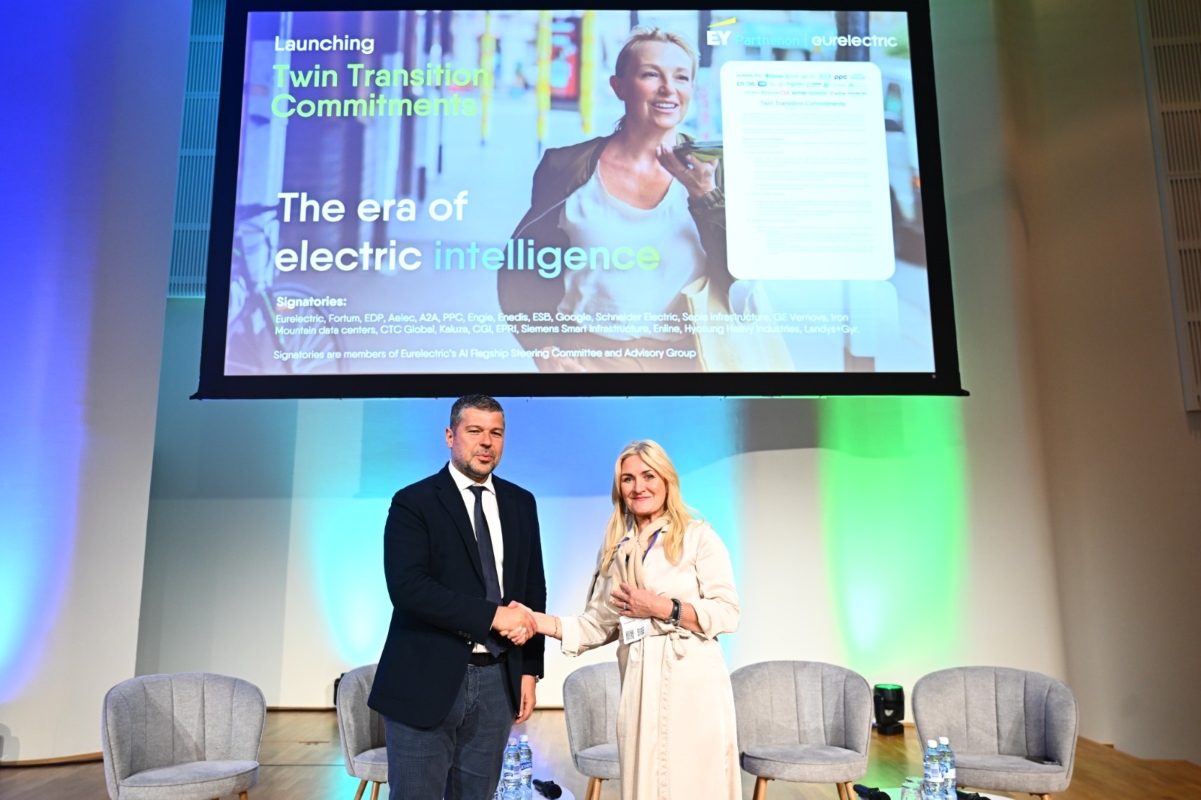
Speaking at the Power Summit 2026 in Helsinki, Public Power Corporation (PPC) Chairman and CEO Georgios Stassis emphasized that artificial intelligence and data centers are expected to become among the most significant drivers of electricity demand growth over the coming decade. At the same time, he noted that the energy sector itself is increasingly deploying AI technologies to manage a more complex, decentralized and dynamic power system.
The remarks accompanied the signing of the “Twin Transition Commitments” initiative, a joint commitment aimed at strengthening coordination between Europe’s digital and energy transitions. The declaration was signed by Stassis, in his capacity as Vice President of Eurelectric, together with Maud Hodnett of Google.

Data Centers Becoming a Major Source of Electricity Demand
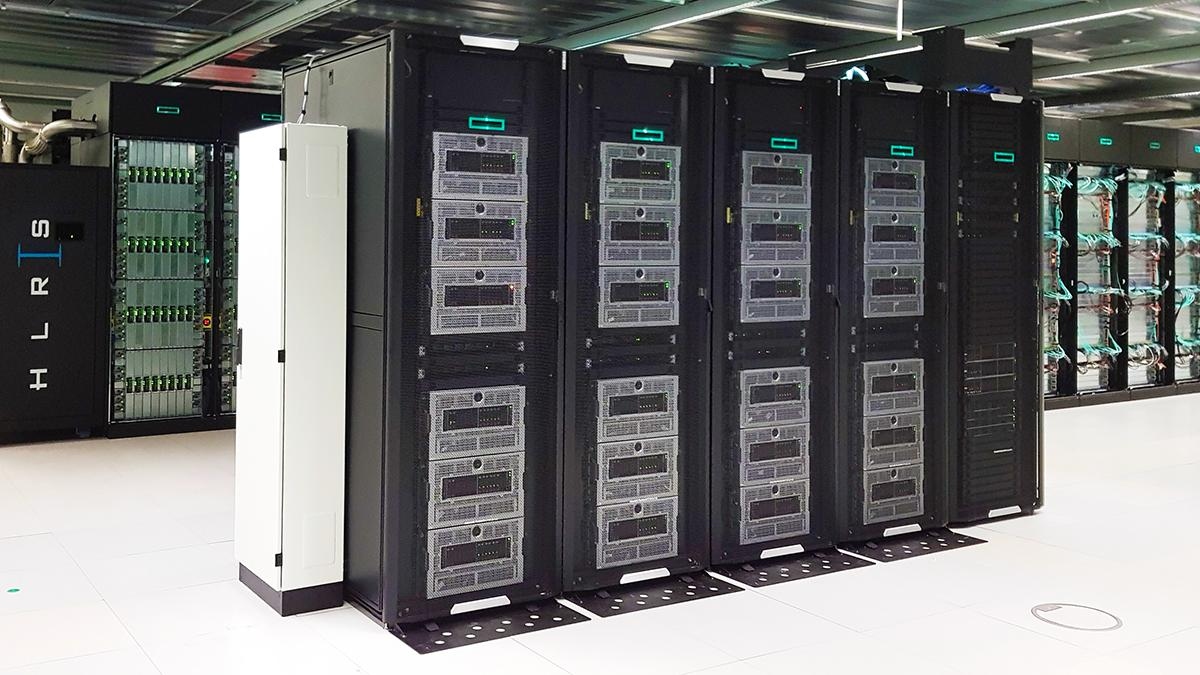
According to a new Eurelectric report presented during the summit, data centers are projected to account for approximately 28% of Europe’s increase in electricity demand by 2030.
The forecast highlights the growing interdependence between digital infrastructure and energy systems. As investments in artificial intelligence, cloud computing and advanced data-processing capabilities continue to expand, electricity networks, generation assets and system flexibility mechanisms will need to evolve accordingly.
The report estimates that electricity consumption by European data centers could reach between 149 and 287 terawatt-hours (TWh) annually by the end of the decade, representing one of the most significant long-term demand growth trends observed by the power sector in recent decades.
AI as Both a Driver of Demand and a System Solution
While artificial intelligence is expected to increase electricity consumption, Eurelectric argues that it will also play a critical role in improving the efficiency and resilience of energy systems.
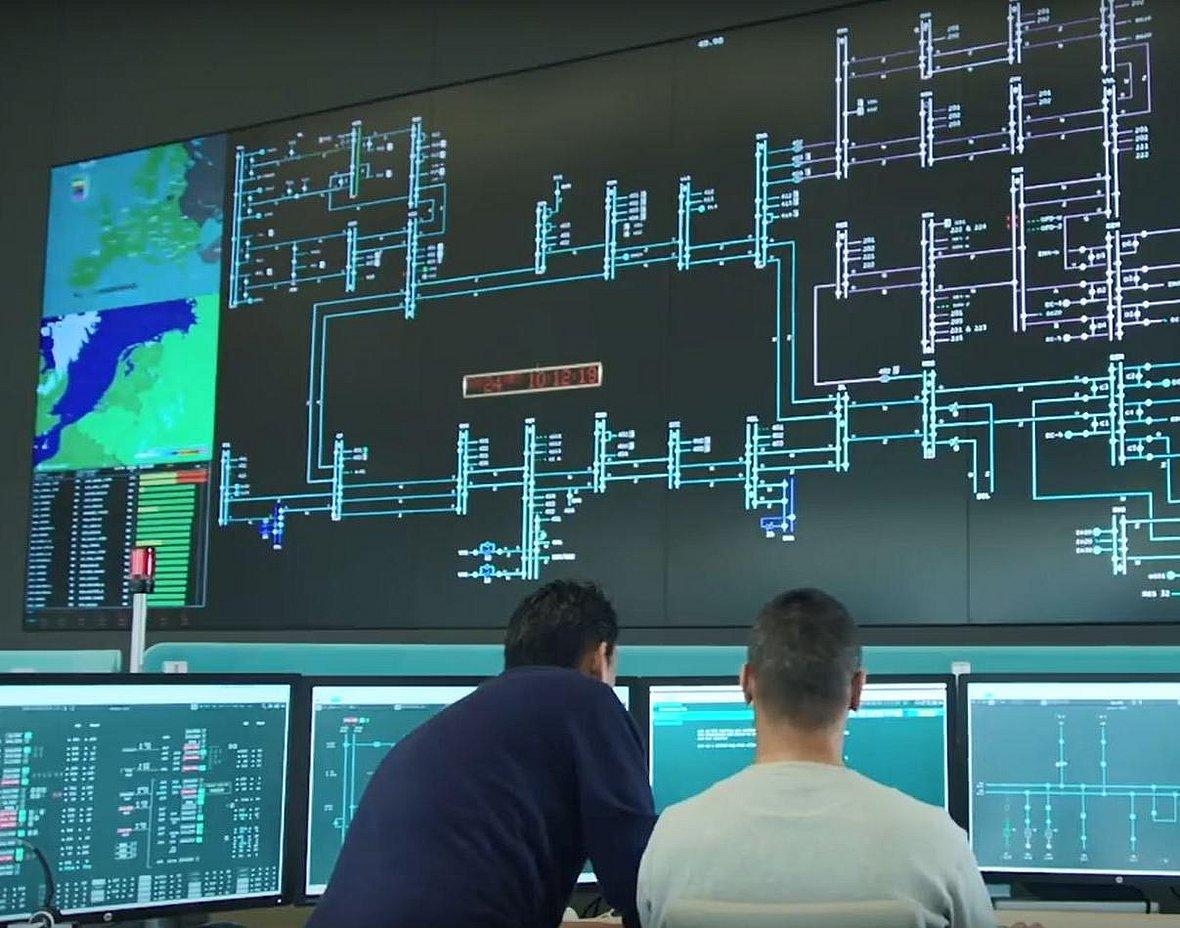
Electricity companies are already deploying AI-enabled tools for network management, demand forecasting, predictive maintenance and optimization of generation resources. These technologies are expected to become increasingly important as power systems integrate larger shares of renewable energy and accommodate more decentralized sources of generation and storage.
As a result, AI is simultaneously emerging as a major source of new electricity demand and a key technology for managing that demand efficiently.

Strengthening Cooperation Between Utilities and Technology Companies
Recognizing the scale of the challenge, Eurelectric is seeking closer collaboration between electricity providers and major global technology companies, including hyperscale cloud operators such as Google, Microsoft, Amazon Web Services and Meta.
The initiative aims to identify best practices for the development and integration of data centers while minimizing impacts on electricity networks and ensuring reliable system operation.
Industry stakeholders will also examine opportunities to modernize Europe’s electricity infrastructure through advanced forecasting tools, enhanced flexibility mechanisms and new approaches to energy system planning.
According to Stassis, accelerating grid connections and streamlining permitting procedures will be essential to enabling the infrastructure required to support future growth in both artificial intelligence and clean energy deployment.
Grid Readiness Emerging as a Strategic Priority
One of the central conclusions of the report is that future electricity demand associated with AI cannot be met solely through the construction of additional transmission and distribution infrastructure.
Instead, Europe will require a combination of network expansion, grid-enhancing technologies, digital solutions and flexibility services that allow for more efficient utilization of existing assets.
The report also highlights the importance of reforming connection procedures and ensuring that grid capacity is allocated efficiently to projects with the highest level of maturity and likelihood of implementation.


Sustainability Remains Central to Growth
Eurelectric stresses that the expansion of data centers must remain aligned with the European Union’s climate objectives.
Growing electricity consumption from digital infrastructure should be accompanied by parallel investments in renewable energy generation, low-carbon electricity supply and energy-efficiency measures.
Corporate Power Purchase Agreements (PPAs) are identified as a particularly important mechanism for financing new renewable energy projects while providing long-term price stability for both electricity producers and large consumers.
The report also emphasizes opportunities to improve sustainability through waste-heat recovery, circular economy practices and stronger cybersecurity frameworks.


A Defining Infrastructure Challenge for Europe
The rapid growth of artificial intelligence is reshaping the relationship between digital innovation and energy policy.
As Europe seeks to strengthen its technological competitiveness, the ability to deliver sufficient clean, reliable and affordable electricity will become a critical determinant of success.
The convergence of the digital and energy transitions is no longer a future scenario. It is already underway, requiring coordinated action from policymakers, utilities, technology companies and investors to ensure that Europe’s infrastructure is prepared for the next generation of economic growth.
Source: pagenews.gr