Trump, Netanyahu and Mamdani: The New Geopolitical Clash That Could Shape America’s Political Future
 ΧΡΟΝΟΣ ΑΝΑΓΝΩΣΗΣ 6 '
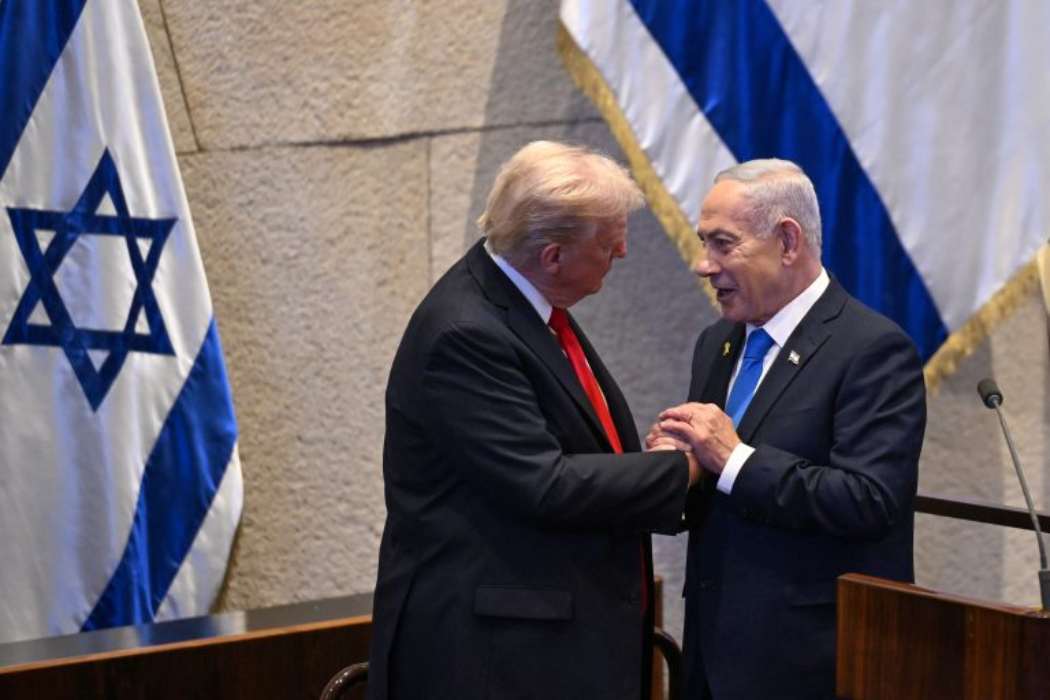
Πηγή Φωτογραφίας: AP Photo//Trump, Netanyahu and Mamdani: The New Geopolitical Clash That Could Shape America's Political Future



Netanyahu at the Center of an American Political Battle
At first glance, the debate over whether Israeli Prime Minister Benjamin Netanyahu could face arrest during a visit to the United States appears to revolve around international law and the jurisdiction of the International Criminal Court (ICC).
In reality, however, the controversy has developed into something far more consequential. It is rapidly becoming a new political and geopolitical fault line that could influence both the upcoming U.S. midterm elections and the race toward the 2028 presidential election.
At the center of this confrontation stand two dramatically different political figures: President Donald Trump and New York City Mayor Zohran Mamdani.
Although they represent opposing ideological visions, the political battle surrounding Netanyahu appears to serve the strategic interests of both.
Mamdani’s Pledge Opens a New Political Front
The controversy began when Zohran Mamdani reaffirmed his campaign pledge that he would examine every legal avenue available to enforce the International Criminal Court’s arrest warrant against Benjamin Netanyahu should the Israeli leader visit New York City.
Mamdani stated that he is consulting legal advisers regarding the warrant issued by the ICC in November 2024.
However, the United States is not a party to the Rome Statute and does not recognize the jurisdiction of the International Criminal Court.
As a result, the prospect of an American mayor ordering the arrest of a visiting foreign head of government remains legally remote.
Politically, however, the damage—or opportunity—has already been created.
Trump Seizes the Opportunity
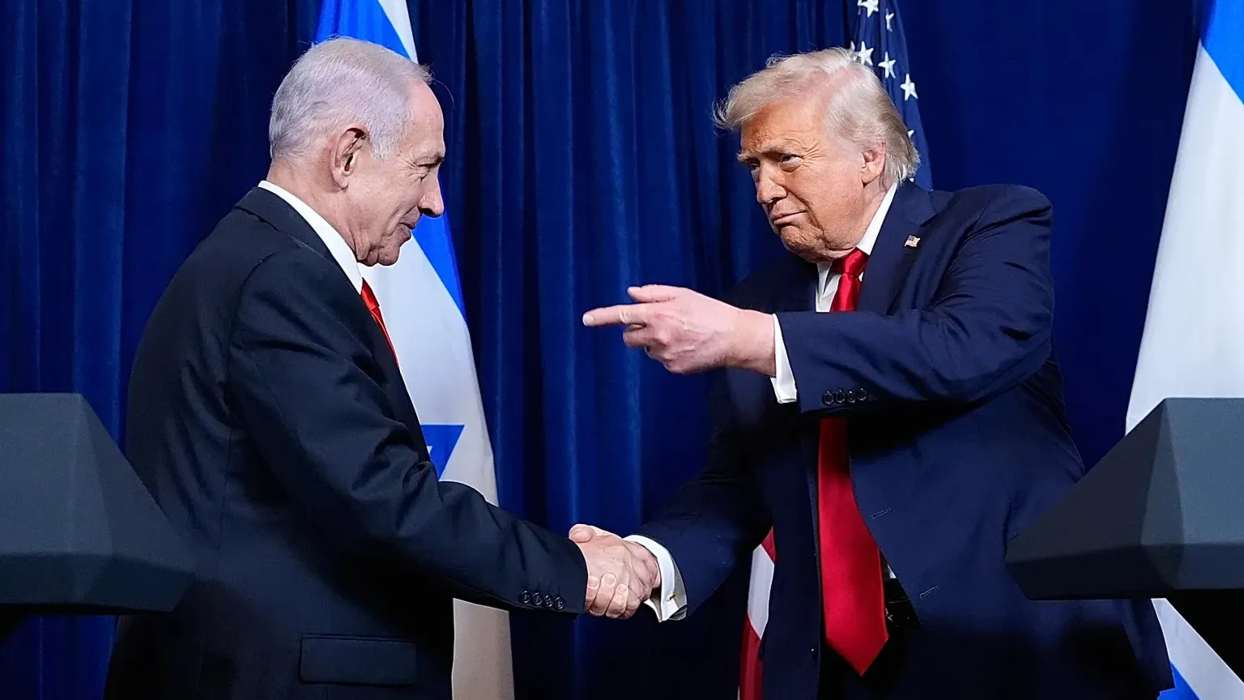
Donald Trump immediately transformed the legal debate into a political confrontation.
The U.S. president publicly declared that Benjamin Netanyahu “will not be arrested” in the United States, framing the issue as another example of what he portrays as the Democratic Party’s growing ideological radicalization.
The move was far from accidental.
With inflation, cost-of-living pressures and economic concerns continuing to dominate public opinion, Trump has sought to redirect national attention toward issues where he traditionally enjoys stronger political support: national security, foreign policy, unwavering support for Israel and broader cultural conflicts.
The controversy also provides an opportunity to reinforce his standing among Evangelical Christians, traditional Republican voters and segments of the American Jewish community increasingly concerned about rising anti-Israel rhetoric within parts of the Democratic Party.
Mamdani Emerges as the Face of a New Progressive America
For Zohran Mamdani, the confrontation carries a very different political value.
His electoral rise has been fueled largely by younger voters and progressive constituencies for whom the war in Gaza and U.S. policy toward Israel have become defining political issues.
Retreating from his campaign commitment could be interpreted by supporters as his first major concession to the political establishment.
Instead, maintaining his position strengthens his image as a politician willing to defend his principles even while confronting the President of the United States.
The confrontation also elevates him from the mayor of America’s largest city into one of the Democratic Party’s most recognizable emerging national figures.
At the same time, Mamdani links foreign policy to domestic priorities, arguing that American resources should increasingly be invested in affordable housing, healthcare and education rather than military commitments overseas.
The Growing Divide Within the Democratic Party
The Netanyahu controversy has exposed one of the Democratic Party’s deepest internal divisions.
On one side stand younger progressives who argue that America’s long-standing, nearly unconditional support for Israel must be reassessed in light of the humanitarian consequences of the Gaza war.
On the other are centrist Democrats who continue to view the U.S.-Israel alliance as a cornerstone of American foreign policy and warn against rhetoric they believe risks crossing the line from criticism of the Israeli government into broader hostility toward Israel.
Trump does not need to resolve this division.
He simply needs to deepen it.
By presenting Mamdani as representative of the Democratic Party as a whole, he forces Democratic candidates nationwide to address an issue that increasingly divides their own electoral coalition.
The Broader Geopolitical Dimension
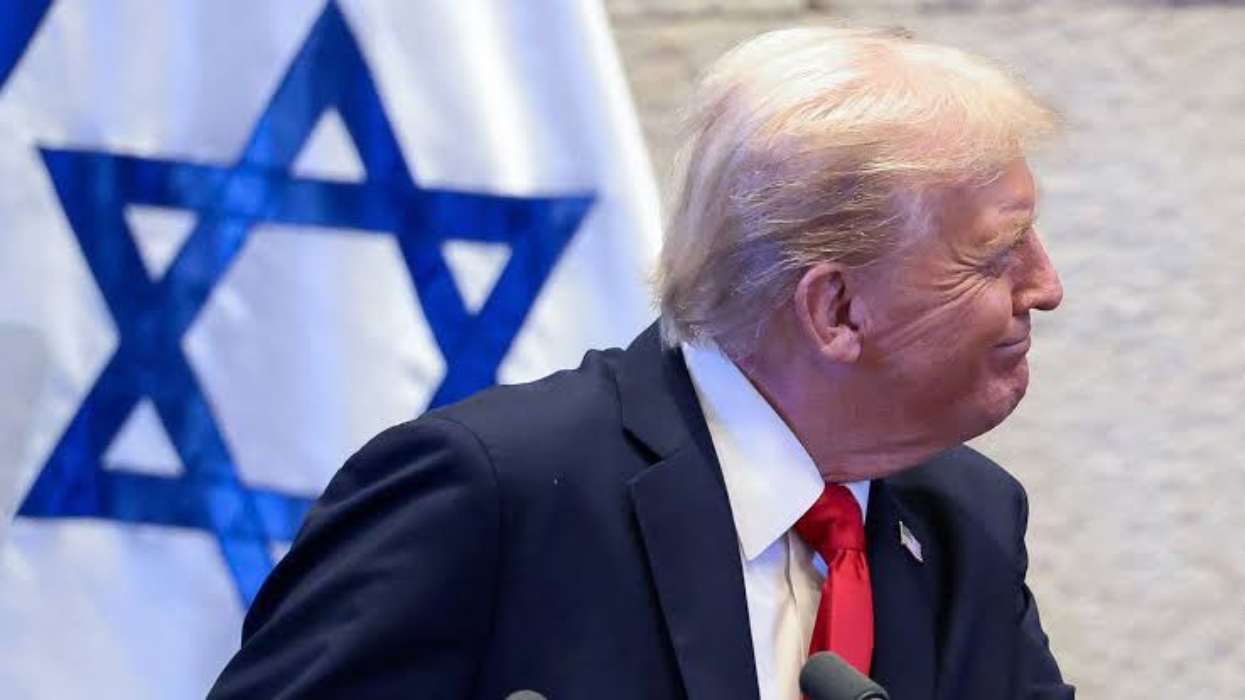
Beyond domestic American politics, the controversy also carries significant geopolitical implications.
The close relationship between Donald Trump and Benjamin Netanyahu has played a major role in shaping U.S. strategy toward the Middle East, influencing regional dynamics involving Iran, Arab states and the continuing conflict in Gaza.
At the same time, the debate over the International Criminal Court once again highlights the long-standing divergence between the United States and many European countries regarding the authority of international judicial institutions.
What began as a legal discussion has therefore evolved into a broader geopolitical contest over sovereignty, international law and the future architecture of the Western alliance.
Benjamin Netanyahu has become far more than Israel’s prime minister. For Donald Trump, he represents an opportunity to expose and amplify ideological divisions within the Democratic Party while shifting America’s political conversation toward issues that favor Republican electoral strategy. For Zohran Mamdani, the same controversy serves as both a test of political credibility among progressive voters and a platform for expanding his national profile.
Ultimately, the battle surrounding Netanyahu is no longer simply about Israel or the International Criminal Court. It has become a reflection of America’s evolving political identity—one with significant implications for U.S. foreign policy, domestic polarization and the electoral battles that will define the country’s political future.
Source: pagenews.gr
Διαβάστε όλες τις τελευταίες Ειδήσεις από την Ελλάδα και τον Κόσμο