
Against this backdrop, ministers responsible for migration from Greece, Italy, Cyprus and Malta met in Rome to discuss enhanced cooperation on migration management, combating human smuggling networks, and preparing for potential future crises.
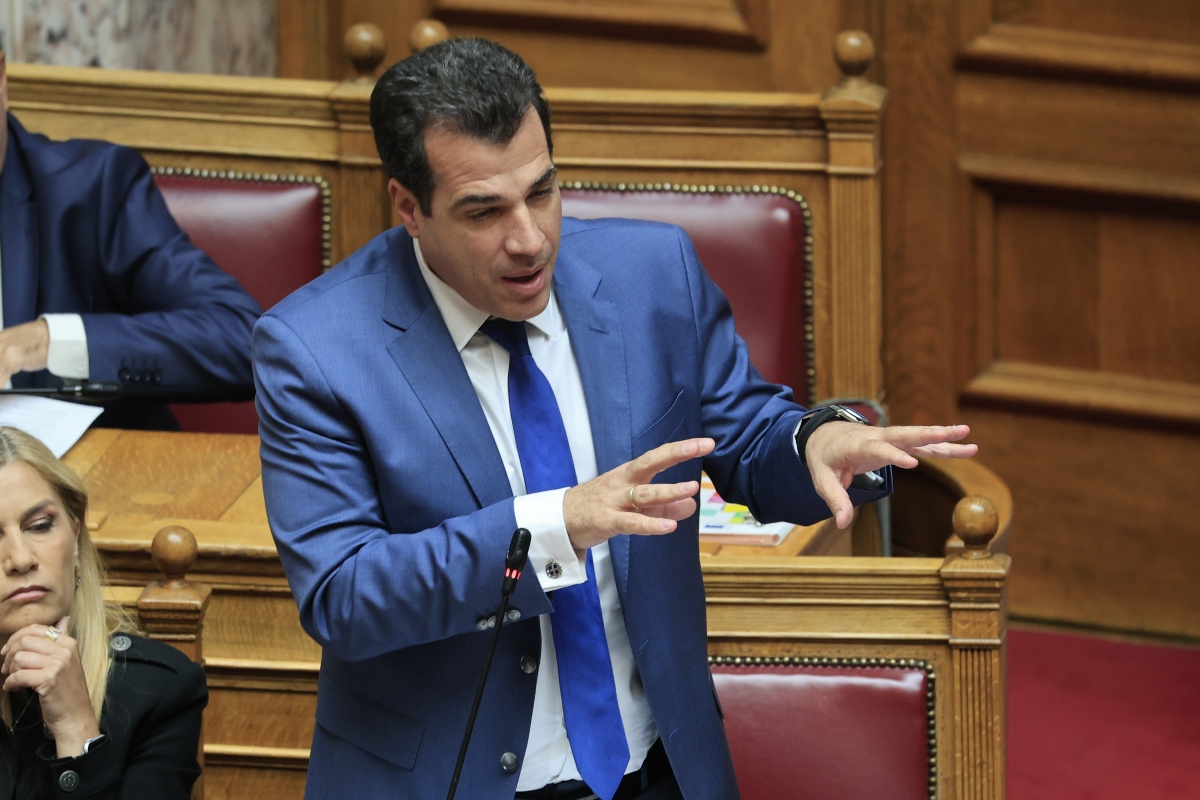
Greek Minister for Migration and Asylum Thanos Plevris, accompanied by Secretary General for Migration Policy Nadia Papakosta, participated in the meeting following an invitation from Italian Interior Minister Matteo Piantedosi.
The gathering follows the joint political initiative launched by Greek Prime Minister Kyriakos Mitsotakis, Italian Prime Minister Giorgia Meloni, Cypriot President Nikos Christodoulides, and Maltese Prime Minister Robert Abela, who have all called for coordinated Mediterranean action on migration.
A Mediterranean Bloc Takes Shape Within the European Union
Beyond operational cooperation, the Rome meeting highlighted a broader political trend: the gradual emergence of a Mediterranean alliance seeking greater influence over European migration policy.
The four countries have consistently argued that frontline states bear a disproportionate share of migration pressures and therefore require stronger European solidarity, enhanced border protection mechanisms, and tougher action against trafficking networks.
Participants agreed on the need to deepen cooperation in combating human smuggling organizations operating across the Mediterranean.
Libya and Emerging Migration Routes at the Center of Discussions
Particular attention was devoted to developments in Libya, which remains one of the principal departure points for migrants seeking to reach Europe.
Greece and Italy agreed to strengthen bilateral cooperation in addressing migration flows originating from Libya, with a special focus on the increasing arrivals of Bangladeshi nationals using Libyan smuggling routes.
European authorities increasingly view instability in Libya, combined with security challenges across the Sahel and the broader Middle East, as factors that could generate renewed migration pressures on Europe in the coming months.
The two countries agreed to intensify cooperation regarding migration routes from Libya, particularly concerning arrivals of Bangladeshi nationals.


A Common Approach Toward NGOs
One of the most significant topics discussed concerned the role of Non-Governmental Organizations operating in the Mediterranean.
The issue has become increasingly controversial across Europe, with several governments calling for greater transparency, accountability, and regulatory oversight.
During the meeting, Greece presented key aspects of its new legislative initiative governing NGO operations.
The Greek proposal attracted considerable interest from participating states, which requested further information regarding its implementation and regulatory framework.
Preparing for Future Migration Crises
The ministers also agreed that Europe must remain prepared for the possibility of a new migration crisis.
Conflicts in the Middle East, geopolitical instability, economic disruption, and climate-related displacement are all viewed as potential drivers of increased migratory flows toward Europe over the coming years.
The four countries expressed readiness to consider additional measures should a new migration emergency emerge.

The Broader Political Dimension
The significance of the Rome meeting extends well beyond migration management.
It reflects a strategic effort by Mediterranean member states to strengthen their collective voice within the European Union at a time when implementation of the new EU Pact on Migration and Asylum is entering a critical phase.
For Athens, closer coordination with Rome, Nicosia and Valletta strengthens Greece’s negotiating position inside the EU. For Italy under Giorgia Meloni, it forms part of a broader strategy to elevate southern European states as key actors in shaping Europe’s migration and border-security policies.
• Enhanced cooperation against human trafficking and smuggling networks.
• A shared approach regarding NGO operations in the Mediterranean.
• Stronger Greece–Italy coordination on migration flows originating from Libya.
• Increased preparedness for potential future migration crises.
• Significant interest from partner countries in Greece’s new NGO regulatory framework.
The Rome meeting was about more than migration policy. It showcased the growing determination of Greece, Italy, Cyprus and Malta to shape a common geopolitical and institutional agenda within the European Union.
As migration, border security and regional stability become increasingly interconnected, this emerging Mediterranean coalition could evolve into one of the EU’s most influential political groupings on migration governance and internal security. If migratory pressures intensify again in the coming years, the decisions and partnerships forged today may become central to Europe’s response tomorrow.
Source: pagenews.gr