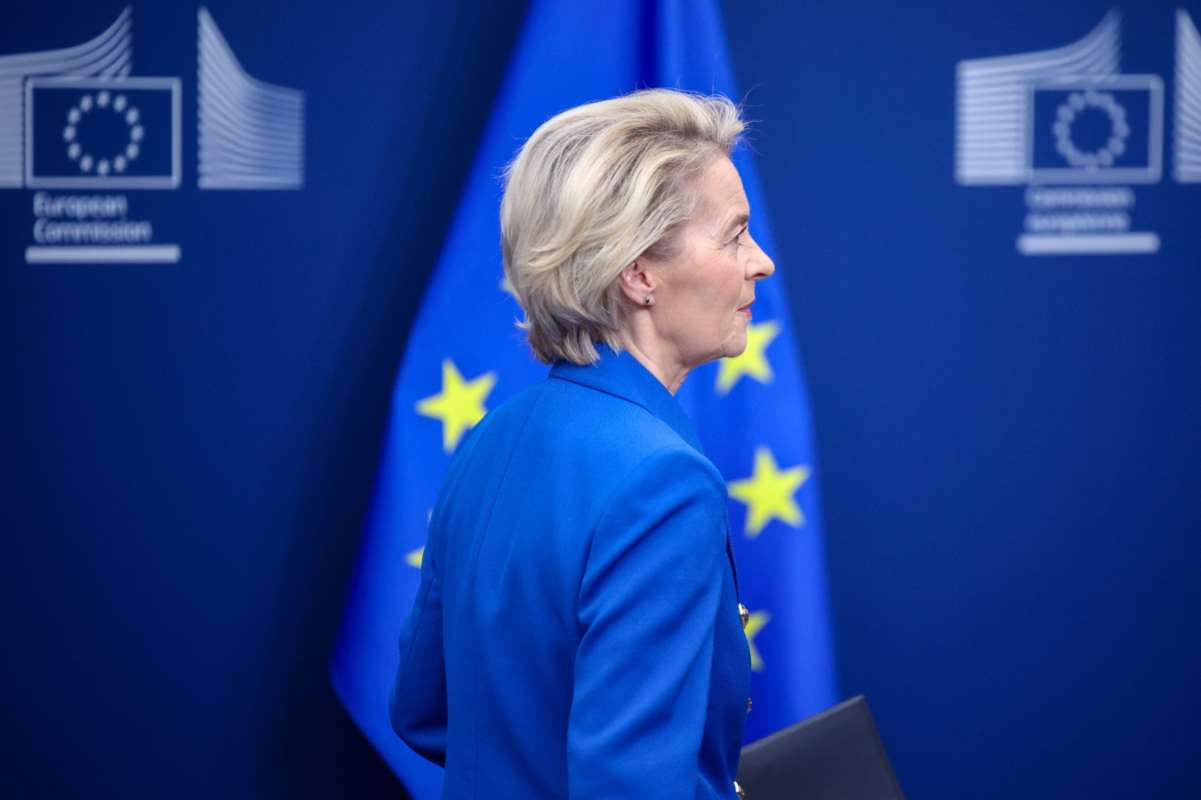
European Union leaders are converging on Brussels for what is shaping up to be one of the most consequential summits in recent months, with an agenda spanning economic security, geopolitical strategy and the future financing of the bloc. From relations with China and the war in Ukraine to negotiations over the EU’s next long-term budget, the meeting is expected to lay bare the competing priorities that continue to divide the Union’s 27 member states.
Proceedings begin with addresses by European Parliament President Roberta Metsola and Ukrainian President Volodymyr Zelensky, before leaders move into what are expected to be difficult negotiations stretching into Friday. At stake is not only a series of major policy decisions, but also the credibility of the EU’s ability to act collectively in an increasingly volatile world.
A Tougher European Line on China
One of the summit’s central issues is the European Union’s economic relationship with China. European Commission President Ursula von der Leyen is seeking political backing for measures aimed at countering what Brussels describes as unfair trade practices and state-supported industrial overcapacity from Beijing.
EU officials are examining tools that could be deployed against products entering the European market at extremely low prices, placing growing pressure on European manufacturers. Discussions are also focused on mechanisms to address excess production in strategic sectors benefiting from heavy Chinese state subsidies.
Yet support for a more aggressive approach is far from unanimous. Several capitals remain wary of provoking a broader trade confrontation with China, which remains one of Europe’s most important export destinations and a critical supplier of raw materials and industrial components.
The challenge facing EU leaders is finding a balance between defending European industry and avoiding a damaging economic escalation with Beijing.

Competitiveness Takes Center Stage
The summit will also focus heavily on strengthening Europe’s economic competitiveness. Leaders are expected to discuss the “One Europe, One Market” initiative, designed to deepen the single market and eliminate barriers that continue to restrict cross-border business activity.
A growing number of member states argue that excessive regulation and bureaucratic burdens have weakened Europe’s ability to compete with global economic powers such as the United States and China. Policymakers are increasingly concerned that the EU risks falling behind in attracting investment, fostering innovation and expanding industrial capacity.
Energy costs are also expected to feature prominently in the debate. Many industrial sectors continue to argue that Europe’s emissions trading system and broader climate-related regulations have significantly increased production costs at a time of intense international competition.
The €2 Trillion Budget Battle
Perhaps the most politically sensitive discussion will revolve around the EU’s next seven-year financial framework, currently estimated at €2 trillion.
The proposal has reignited a familiar divide between fiscally conservative member states and countries that rely heavily on EU funding. Germany and the Netherlands are among those pushing for stricter budget discipline and spending restraint, while a number of southern and eastern member states are seeking to preserve funding for cohesion policies, agriculture and regional development.
The Cypriot Presidency has attempted to bridge the gap through a compromise package involving limited spending reductions compared with the European Commission’s original proposal. However, significant disagreements remain.
For countries such as Greece, the outcome will have major implications. The final agreement will determine the scale of future funding available for infrastructure projects, investment programs, digital transformation initiatives and agricultural support over the coming years.
Ukraine, the Middle East and Europe’s Defense Future
On the geopolitical front, Ukraine remains a dominant topic. President Zelensky is expected to press European leaders to maintain military, financial and political support while accelerating Kyiv’s path toward EU membership.
At the same time, developments in the Middle East and the implications of recent diplomatic moves involving the United States and Iran are expected to feature prominently in leaders’ discussions. Concerns over regional stability, energy security and potential migration pressures continue to shape the European agenda.
Meanwhile, momentum is building behind calls for stronger European defense capabilities. Several member states are advocating increased investment in defense industries, expanded military cooperation and enhanced deterrence capabilities as security concerns continue to mount across the continent.
The debate reflects a broader push toward greater European strategic autonomy at a time when global power dynamics are becoming increasingly unpredictable.
A Defining Test for European Unity
Despite repeated commitments to solidarity and common purpose, the Brussels summit is likely to underscore the reality that significant differences remain among member states. Disagreements over China, budget priorities, competitiveness and defense policy reveal an EU still struggling to reconcile diverse national interests with collective strategic ambitions.
The outcome of the negotiations will offer a crucial indication of whether the European Union can move beyond internal divisions and act as a cohesive geopolitical force in an era marked by economic rivalry, security challenges and growing global uncertainty.
More than a routine summit, Brussels is becoming a battlefield of competing visions for Europe’s future — and the decisions taken here could shape the trajectory of the Union for years to come.
Source: pagenews.gr