CHINA SIDESTEPS IRAN BLOCKADE: Gulf States Shift Toward Beijing Amid Energy Shock
 ΧΡΟΝΟΣ ΑΝΑΓΝΩΣΗΣ 4 '
Πηγή Φωτογραφίας: AP Photo//CHINA SIDESTEPS IRAN BLOCKADE: Gulf States Shift Toward Beijing Amid Energy Shock



Key Takeaways
- China continues receiving Iranian oil despite US pressure and disruption attempts
- Massive “shadow fleet” logistics network keeps oil flowing through Strait of Hormuz
- Iran reportedly has 160M+ barrels of oil at sea, cushioning export disruption
- China holds ~1.2 billion barrels in reserves, reducing vulnerability
- Sanctions are not fully preventing trade flows, only reshaping them
- Beijing is expanding diplomacy with Saudi Arabia and United Arab Emirates
- Xi Jinping pushes for ceasefire and maritime stability
- UAE signals possible shift toward yuan-based oil trade and China alignment
- Gulf states increasingly hedging between US security and Chinese economics
- Overall trend: China gains influence as US struggles to fully control regional outcomes
As the war involving Iran approaches its third month, China is quietly consolidating its position across two strategic fronts: energy security and Middle East diplomacy.
Despite US-led pressure and heightened tensions in the Strait of Hormuz, Chinese trade flows and regional influence appear not only intact—but expanding.
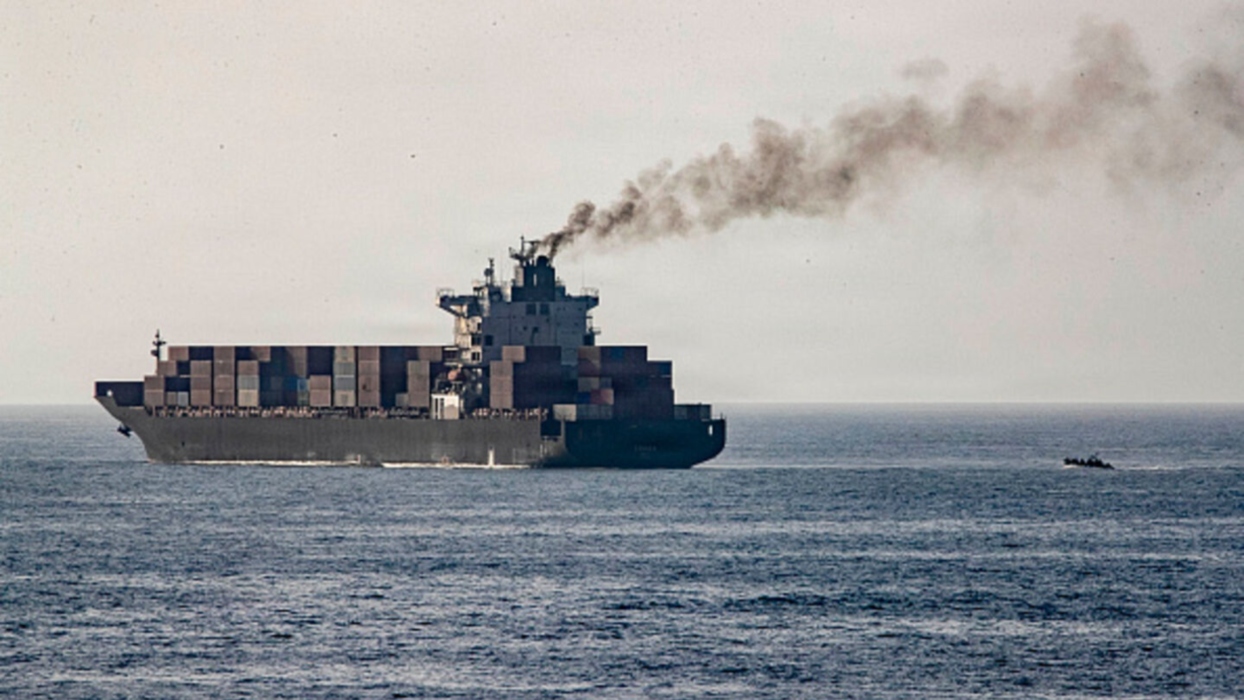
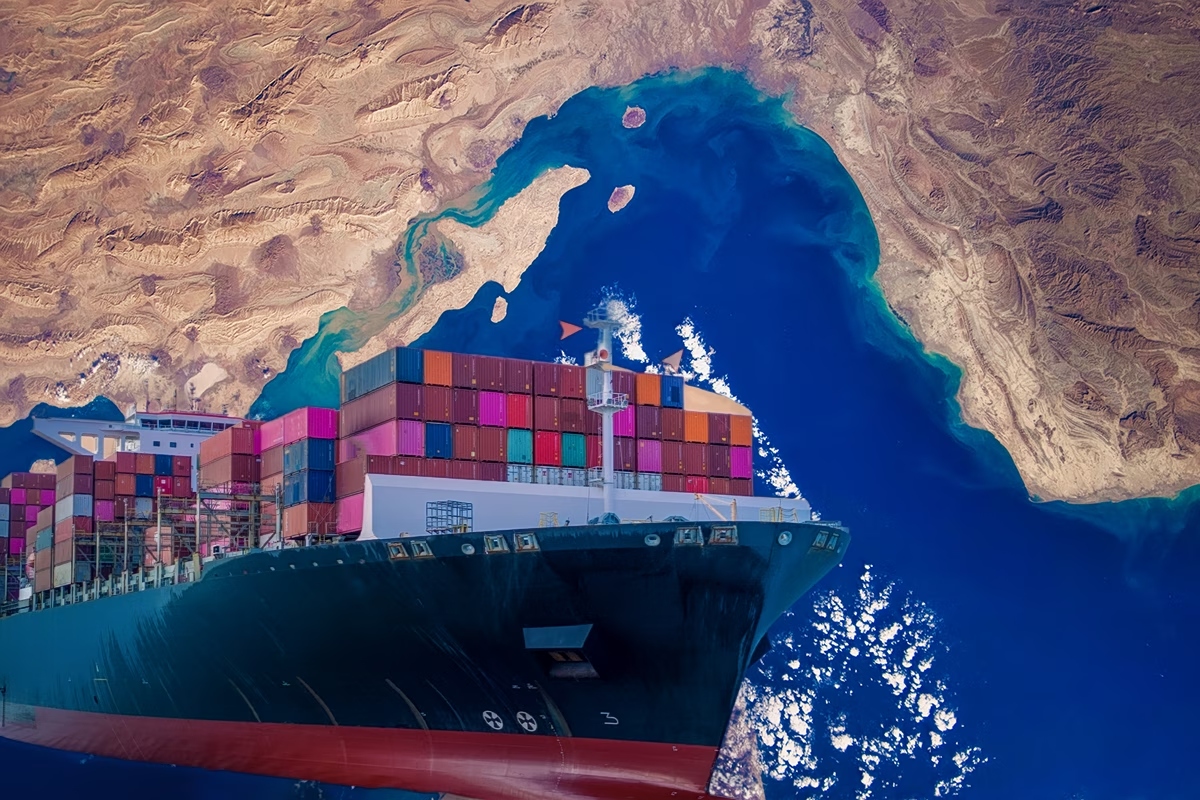
Oil continues to flow despite blockade pressure
According to shipping intelligence reports cited in the briefing:
- Dozens of Iranian tankers have continued passing through Hormuz
- Large volumes of crude are already stored at sea
- Over 160 million barrels of Iranian oil are floating on tankers awaiting delivery
Even more significant: around 140 million barrels are reportedly already outside the most dangerous operational zones.
China’s advantage comes from two key factors:
- Continued access to Iranian oil via a “shadow fleet” of tankers
- Massive domestic reserves estimated at over 1.2 billion barrels
This gives Beijing a structural buffer against supply shocks that most import-dependent economies cannot match.
Sanctions pressure is weakening—not stopping flows
Despite US efforts to restrict Iranian exports, reports indicate:
- Multiple Iranian tankers continue reaching international buyers
- Some vessels disguised their destination or ownership
- At least one intercepted tanker was reportedly en route to China
This suggests a growing gap between formal sanctions policy and real-world enforcement capacity.
China’s diplomatic offensive in the Gulf
While maintaining energy security, Beijing is simultaneously deepening political ties with key Gulf states:
Key developments:
- Xi Jinping called Saudi leadership for an immediate ceasefire and protection of shipping lanes
- Strong engagement with Saudi Arabia and the United Arab Emirates
- High-level Emirati visits to Beijing signal deepening strategic coordination
China is positioning itself as:
a stabilizing diplomatic actor in contrast to US volatility in the region
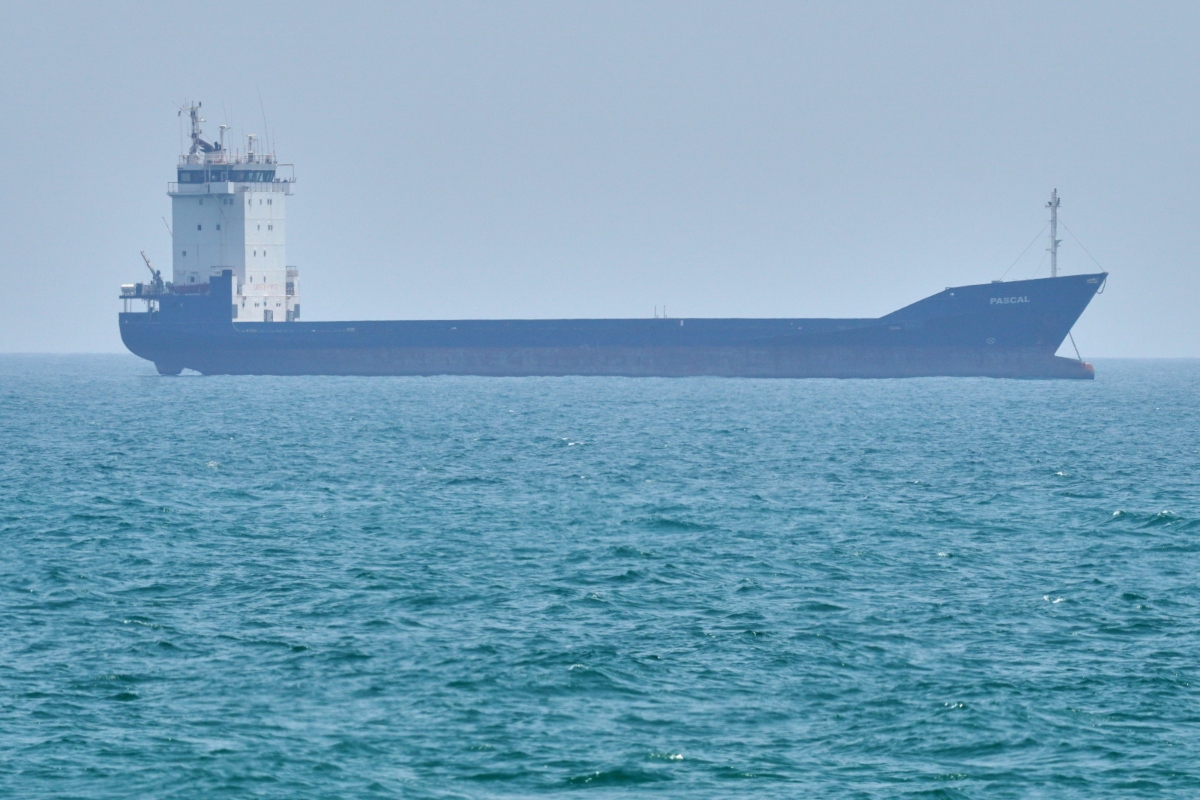
UAE hedging strategy: between Washington and Beijing
The United Arab Emirates is increasingly signaling strategic flexibility:
- Reported discussions with the US over financial support (currency swap line)
- Implicit warning: deeper economic alignment with China if US support weakens
- Consideration of expanding yuan-denominated oil trade
Even more sensitive: internal debate over the long-term value of hosting US bases such as Al Dhafra.
China’s strategic win: influence without confrontation
Beijing’s approach is not military—it is structural:
- Keeps oil flowing despite geopolitical disruption
- Expands financial and trade influence in Gulf markets
- Avoids direct military entanglement
- Positions itself as a predictable partner vs. US conditional diplomacy
As one regional assessment summarized:
The longer Washington struggles to achieve decisive outcomes, the more space China gains.
Global implications
This shift signals three major geopolitical trends:
- Erosion of sanctions effectiveness in complex maritime systems
- Acceleration of Gulf hedging strategies between US and China
- Emergence of a dual-power energy architecture (USD + yuan influence zones)
The Strait of Hormuz remains central—not just as an oil corridor, but as a strategic battleground for global influence.
China is not “breaking” the blockade—it is routing around it.
By combining energy resilience, maritime flexibility, and quiet diplomacy, Beijing is turning crisis conditions into strategic leverage across the Middle East.
In the new geopolitical equation, control is no longer about blocking flows—but about adapting faster than your rivals.
Source: pagenews.gr
Διαβάστε όλες τις τελευταίες Ειδήσεις από την Ελλάδα και τον Κόσμο