Cold War 2.0: Trump, Xi and the Battle for the Future of Global Power
 ΧΡΟΝΟΣ ΑΝΑΓΝΩΣΗΣ 9 '
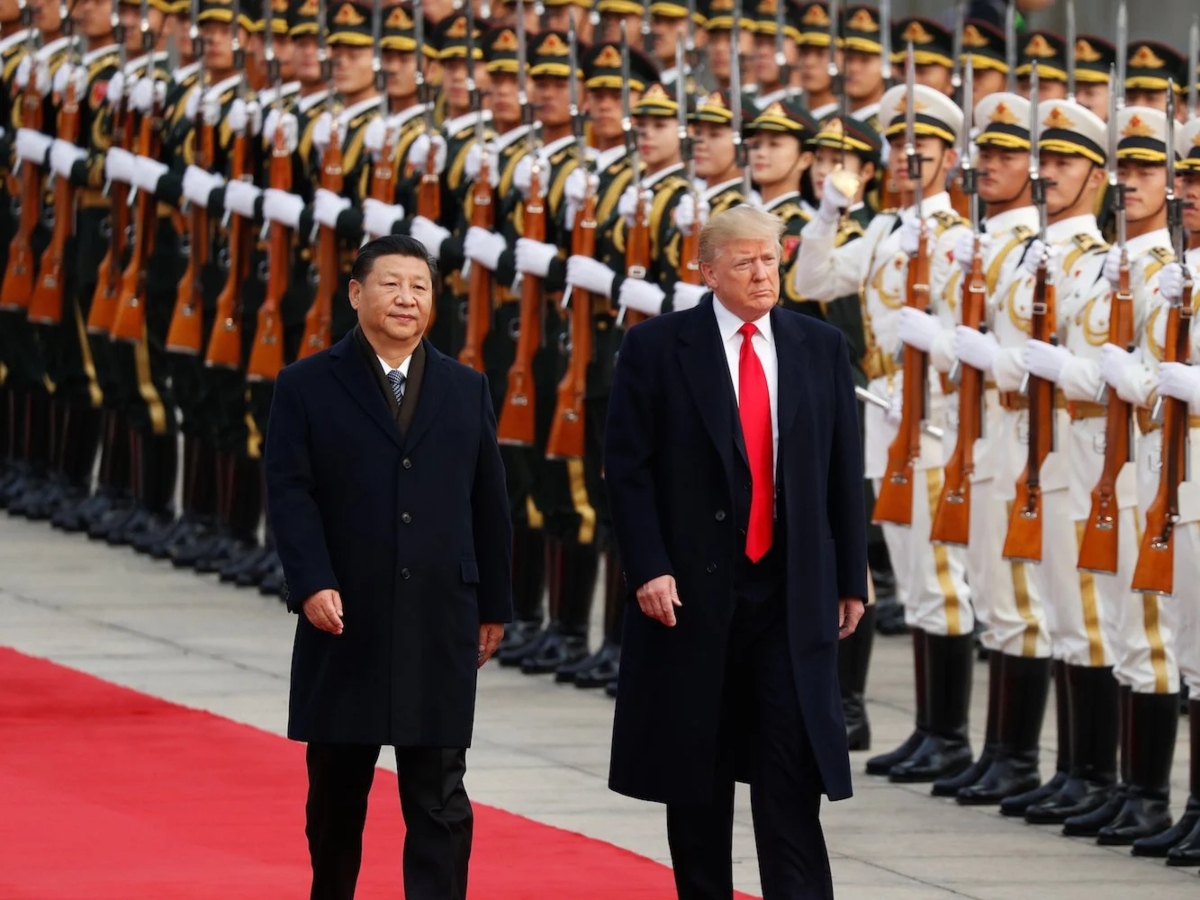
Πηγή Φωτογραφίας: AP Photo//Cold War 2.0: Trump, Xi and the Battle for the Future of Global Power



The world is no longer witnessing isolated geopolitical crises. From the war in Ukraine to tensions in the Taiwan Strait, from the Middle East to the Indo-Pacific, nearly every major international flashpoint now carries the unmistakable imprint of the escalating strategic rivalry between the United States and China.
What is emerging is not a replay of the 20th century Cold War — but something potentially more complex and more dangerous:
A fragmented, economically intertwined and technologically weaponized “Cold War 2.0.”
The upcoming summit between Donald Trump and Xi Jinping in Beijing therefore carries significance far beyond trade negotiations or diplomatic symbolism. The meeting is ultimately about one central question:
Can the world’s two largest powers manage strategic rivalry without pushing the international system into prolonged instability and systemic fragmentation?
Cold War 2.0 Is Not Cold War 1.0
The similarities with the US-Soviet confrontation are impossible to ignore.
Technology races. Proxy theatres. Sanctions wars. Military posturing. Espionage. Competing ideological narratives.
Taiwan today increasingly resembles what Berlin symbolized during the original Cold War: a strategic fault line with global implications.
Yet the differences are even more profound.
Unlike the Soviet Union, China is deeply embedded inside the global capitalist system. The American and Chinese economies remain interconnected through trade, manufacturing, investment flows, semiconductors, financial markets and critical supply chains.
This creates a paradoxical reality:Washington and Beijing are strategic competitors trapped inside mutual economic dependence.
As a result, Cold War 2.0 is not about complete decoupling. It is about selective disengagement, technological denial and controlled strategic competition.
China does not seek the immediate destruction of the international order. Instead, Beijing aims to gradually reshape global institutions, trade systems and geopolitical norms to reflect Chinese power and strategic preferences.
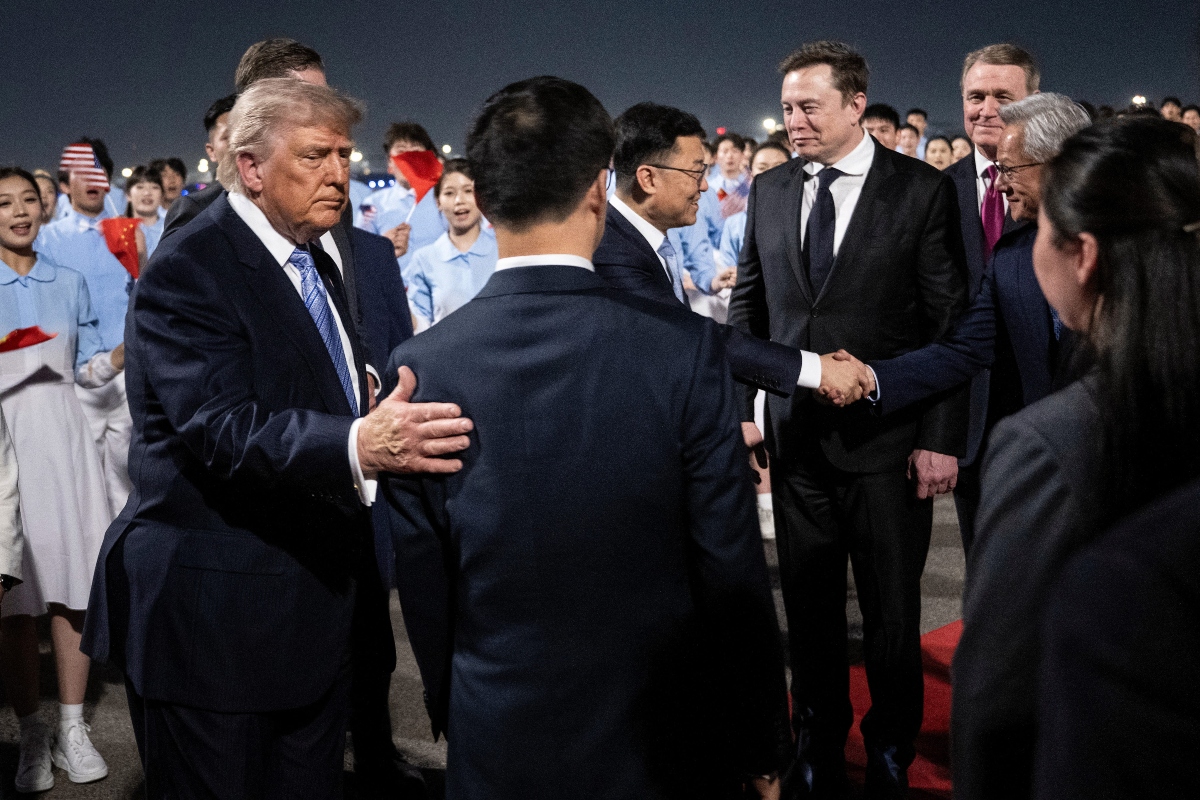
Trump’s Return: Pressure Through Transactional Nationalism
President Trump’s return has transformed the tone of US-China relations.
Unlike traditional American foreign policy elites who frame China primarily as a systemic ideological challenger, Trump approaches geopolitics through a more transactional lens — one rooted in tariffs, industrial leverage, economic nationalism and negotiated advantage.
During his first presidency, Trump launched the US-China trade war, challenged Chinese technological expansion and openly attacked assumptions surrounding limitless globalization.
Now, however, his strategy appears more calibrated.
Rather than seeking outright confrontation, Trump increasingly appears focused on what can be described as:“managed competition under economic pressure.”
Washington’s likely objectives during the Beijing summit include:
- reducing trade imbalances,
- restricting Chinese strategic technology transfers,
- pressuring Beijing over fentanyl precursor networks,
- containing tensions around Taiwan,
- and securing relative stability in the Indo-Pacific.
At the same time, Trump remains willing to negotiate tactical understandings with China if those agreements deliver domestic political or economic gains.
This creates unpredictability.
America’s institutional security establishment views China as a long-term civilizational and strategic challenger. Trump, however, also sees Beijing as a negotiating counterpart capable of delivering “deals.”
That distinction matters deeply for allies and adversaries alike.
Xi Jinping and China’s Long Strategic Game
If Trump represents transactional nationalism, Xi Jinping represents strategic continuity backed by centralized state power.
Under Xi’s leadership, China has evolved from a cautious economic actor into an increasingly assertive geopolitical force.
Its long-term strategy is visible across multiple fronts:
- military modernization,
- naval expansion,
- artificial intelligence,
- semiconductor independence,
- Belt and Road infrastructure networks,
- and global manufacturing dominance.
Unlike Western democracies constrained by electoral cycles, Beijing operates according to long-duration strategic planning.
That patience is one of China’s greatest geopolitical advantages.
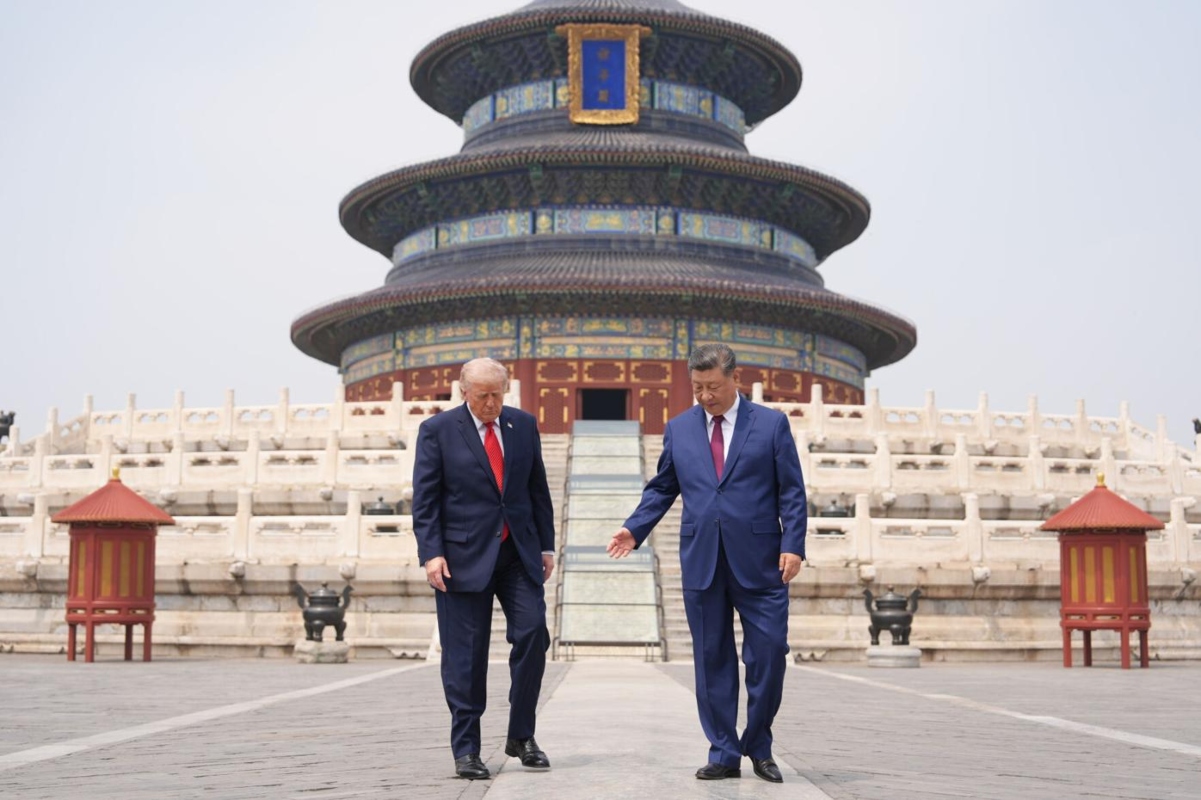
Despite economic slowdowns, demographic pressures and real-estate instability, China has strengthened domestic technological capabilities while diversifying export markets across Asia, Africa, Latin America and the Global South.
China’s model of influence also differs fundamentally from America’s.
Historically, the United States projected power through alliances, military deployments, financial dominance and institutional legitimacy.
China instead exports:
- infrastructure dependency,
- manufacturing centrality,
- strategic investment,
- digital ecosystems,
- and economic leverage.
Beijing avoids formal alliances but expands influence through calibrated dependency.
In essence:Washington exports political influence backed by military power. Beijing exports economic dependency backed by state capacity.
Taiwan: The Most Dangerous Flashpoint
No issue captures the logic of Cold War 2.0 more sharply than Taiwan.
For China, Taiwan is tied directly to national sovereignty and the broader narrative of historical reunification.
For the United States, Taiwan represents strategic credibility and the balance of power in the Indo-Pacific.
Neither side currently appears eager for direct war.
Yet both are preparing for long-term confrontation.
China continues military signaling, naval pressure and grey-zone coercion around the island. Meanwhile, Washington strengthens regional alliances with Japan, Australia and other Indo-Pacific partners while expanding deterrence architecture.
The likely purpose of the Trump-Xi summit is therefore not conflict resolution.
It is escalation management.
Technology, AI and the New Battlefield
The true battlefield of Cold War 2.0 may ultimately be technological rather than military.
Artificial intelligence. Quantum computing. Rare earths. Cybersecurity. Semiconductors. Critical infrastructure.
These sectors have become instruments of geopolitical power.
Economic security is now inseparable from national security.
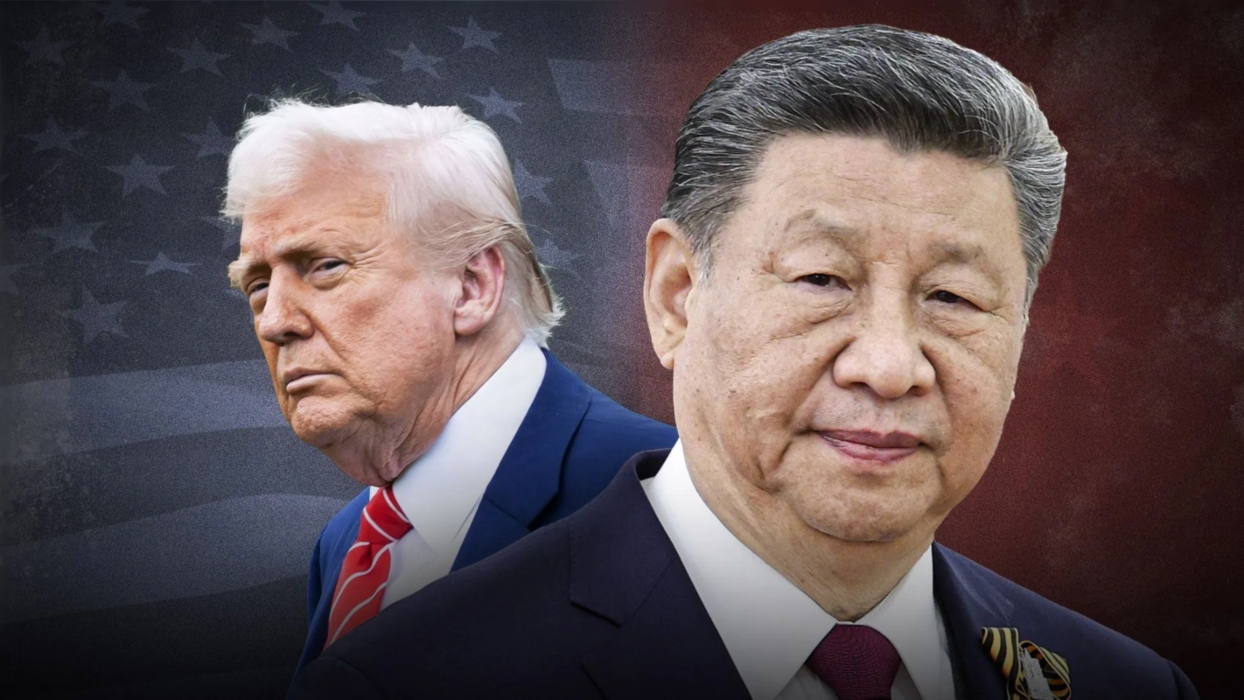
The United States still dominates advanced innovation ecosystems, military alliances and global finance.
China dominates large-scale manufacturing capacity, industrial scalability and supply-chain integration.
This asymmetry explains the current strategic contest.
Washington seeks to slow China’s technological ascent through export controls and alliance-based restrictions.
Beijing seeks self-reliance through indigenous innovation and strategic diversification.
At the same time, both powers are competing to shape global narratives.
America promotes democratic resilience and a “rules-based international order.”
China promotes development efficiency, non-interference and state-driven modernization.
Much of the Global South increasingly engages both sides pragmatically rather than ideologically.
Iran and the Middle East: Another Front in Cold War 2.0
The growing confrontation over Iran illustrates how deeply global geopolitics has become interconnected.
Both Washington and Beijing require Middle Eastern stability to prevent energy shocks and supply disruptions. Yet their strategic approaches differ profoundly.
The United States continues relying primarily on military deterrence, alliance structures and coercive pressure to preserve regional dominance.
China, by contrast, pursues calibrated balance:
- publicly advocating de-escalation,
- while quietly preserving strategic and energy ties with Tehran.
Beijing is unlikely to abandon Iran entirely. At the same time, it will avoid direct confrontation with Washington.
For China, prolonged American overextension in the Middle East may even create strategic advantages elsewhere — particularly in Asia and the Indo-Pacific.
Thus, Iran becomes another arena where:China advances through patience, economic penetration and diplomatic positioning, while the US relies primarily on military leverage.
Competitive Coexistence, Not Reconciliation
Expectations surrounding the Trump-Xi engagement should remain realistic.
The structural contradictions driving US-China rivalry are too deep to disappear through summit diplomacy alone.
These include:
- Taiwan,
- semiconductor dominance,
- military competition,
- sanctions regimes,
- AI supremacy,
- supply-chain control,
- and competing visions of world order.
The most likely outcome is therefore not reconciliation.
It is:Managed confrontation under conditions of deep interdependence.
China is not yet capable of replacing the United States as a singular global hegemon.
But America is no longer able to exercise uncontested dominance either.
That reality defines the emerging world order.
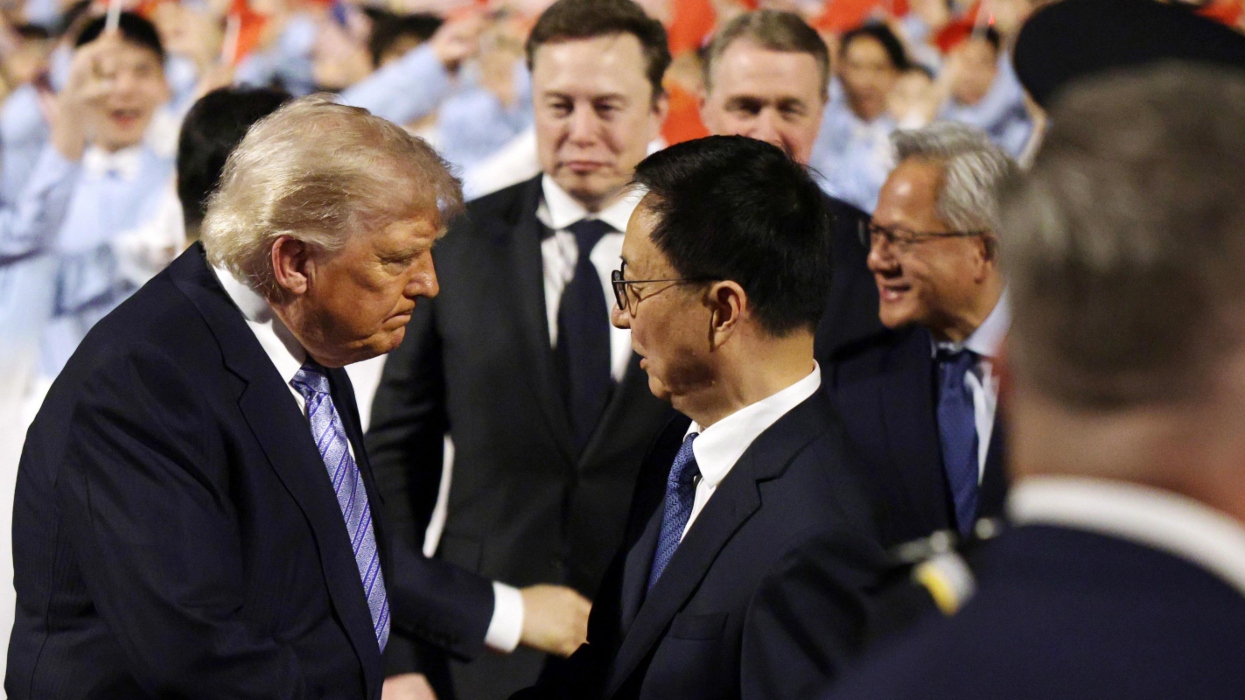
The Rest of the World Faces a Strategic Dilemma
Cold War 2.0 will not produce a simple bipolar world.
Today’s international system is multipolar, economically interconnected and technologically diffused.
Middle powers such as India, Gulf states, ASEAN countries and regional blocs are increasingly pursuing strategic autonomy rather than rigid bloc politics.
Most countries no longer want to choose sides permanently.
Instead, they seek:
- diversified partnerships,
- technological resilience,
- flexible diplomacy,
- and sector-specific alignments.
Ironically, Trump’s “America First” posture may accelerate the very multipolarity Washington seeks to resist.
Even close US allies increasingly hedge against unpredictability in American policy while simultaneously remaining cautious about China’s growing influence.
The Long Geopolitical Test of the 21st Century
Cold War 2.0 is unlikely to end through dramatic collapse or decisive military victory.
Instead, it will become a prolonged test of:
- economic endurance,
- technological adaptation,
- political resilience,
- strategic patience,
- and crisis management below the threshold of open war.
Trump may make the rivalry louder, sharper and more transactional.
Xi may continue pursuing calibrated expansion with long-term discipline.
But the underlying reality remains unchanged:The US-China rivalry is here to stay — and the rest of the world must learn to navigate carefully between pressure and prudence, competition and coexistence, rhetoric and geopolitical reality.
Source: pagenews.gr
Διαβάστε όλες τις τελευταίες Ειδήσεις από την Ελλάδα και τον Κόσμο