Trump-Xi Summit Puts Iran at the Center of a Dangerous New Global Power Game
 ΧΡΟΝΟΣ ΑΝΑΓΝΩΣΗΣ 7 '
Πηγή Φωτογραφίας: AP Photo//Trump-Xi Summit Puts Iran at the Center of a Dangerous New Global Power Game



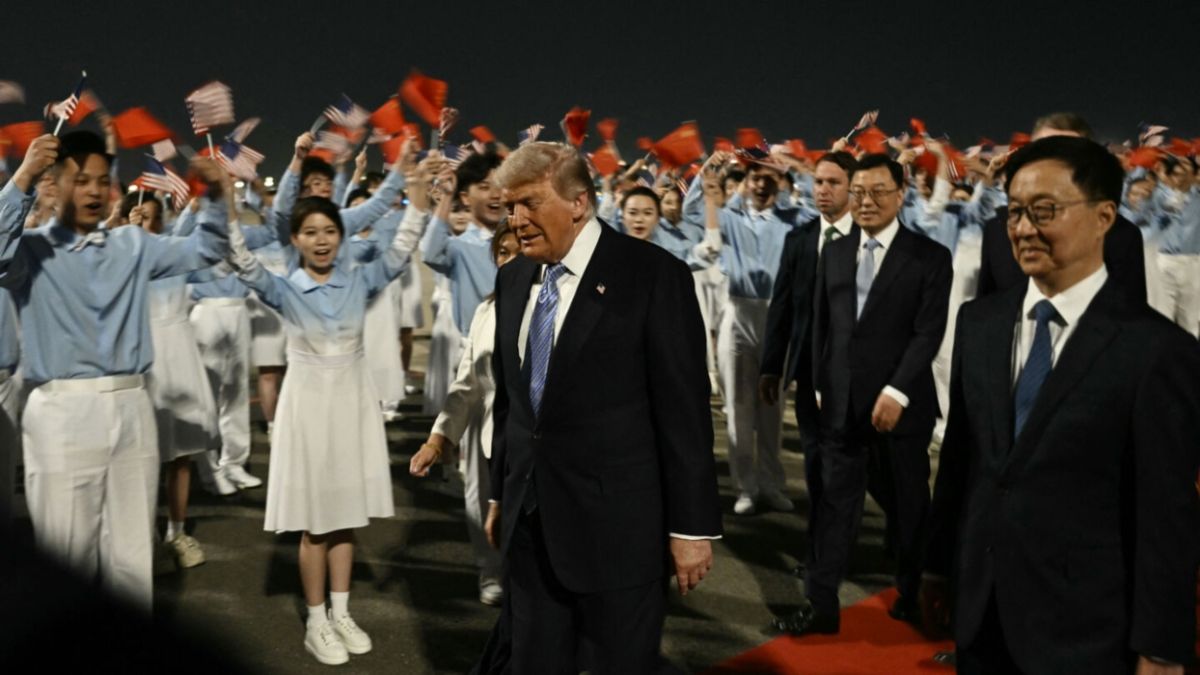
The upcoming summit between Donald Trump and Xi Jinping is shaping up to be far more than another chapter in the US-China rivalry. Behind the scenes, Iran has emerged as one of the most sensitive and potentially explosive issues on the agenda — exposing the fragile balance between energy security, military deterrence and the future architecture of global power.
My latest: Why Xi will be loathe to offer Trump more than the ‘bare minimum’ on Iran https://t.co/B2oFQHf7QK
— Elizabeth Hagedorn (@ElizHagedorn) May 13, 2026
For Tehran, the stakes could hardly be higher.
Iranian officials increasingly view China as the only global power capable of restraining American pressure without openly aligning itself with Washington. Yet despite the rhetoric of “strategic partnership,” leaders in Tehran understand a hard geopolitical reality: Beijing operates according to interests, not alliances.
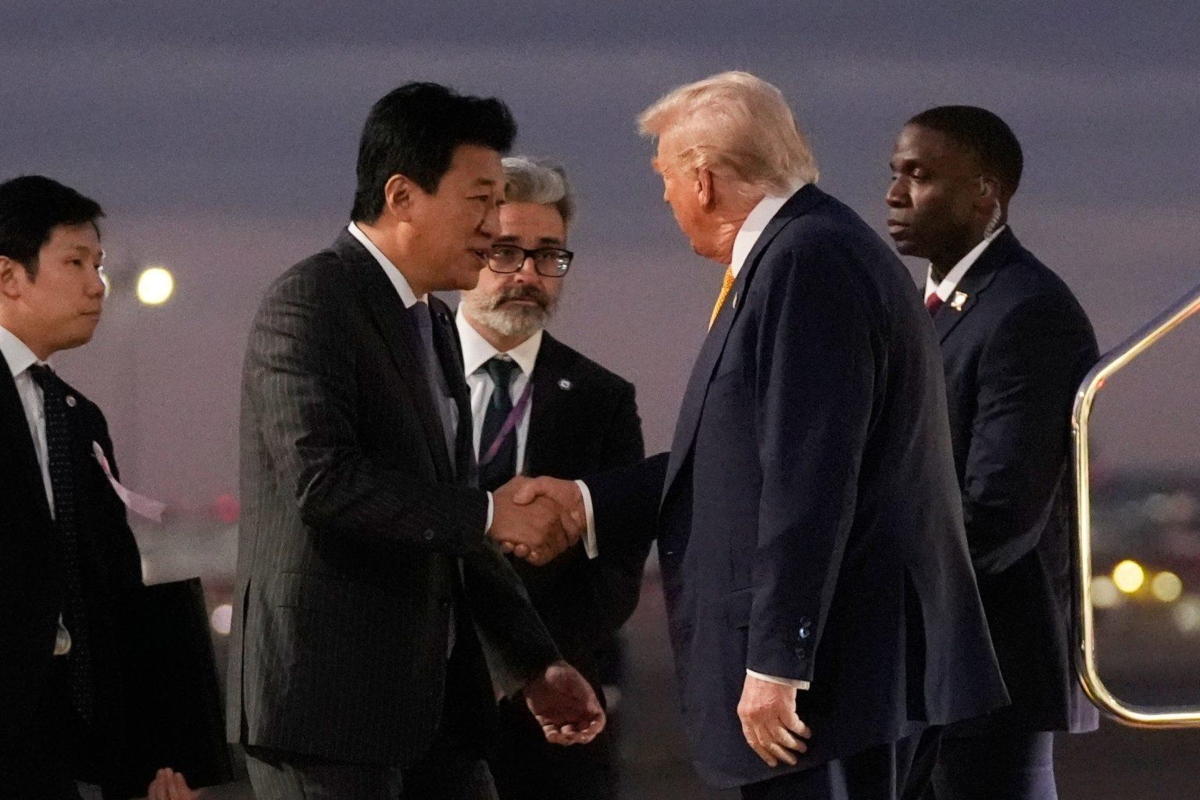
And right now, China’s overriding interest is stability.
The Chinese economy remains heavily dependent on Middle Eastern energy flows, particularly crude oil shipments moving through the Strait of Hormuz. Any prolonged escalation involving Iran could send global oil prices soaring, disrupt maritime trade routes and further weaken an already slowing Chinese economy. That explains why Beijing has adopted an extremely cautious posture ahead of the Trump-Xi talks.
Rather than offering Tehran unconditional backing, China appears determined to preserve strategic ambiguity: supporting Iran diplomatically while avoiding any direct confrontation with the United States.
This balancing act reflects Beijing’s broader Middle East doctrine — one designed to expand influence without becoming trapped in regional conflicts.
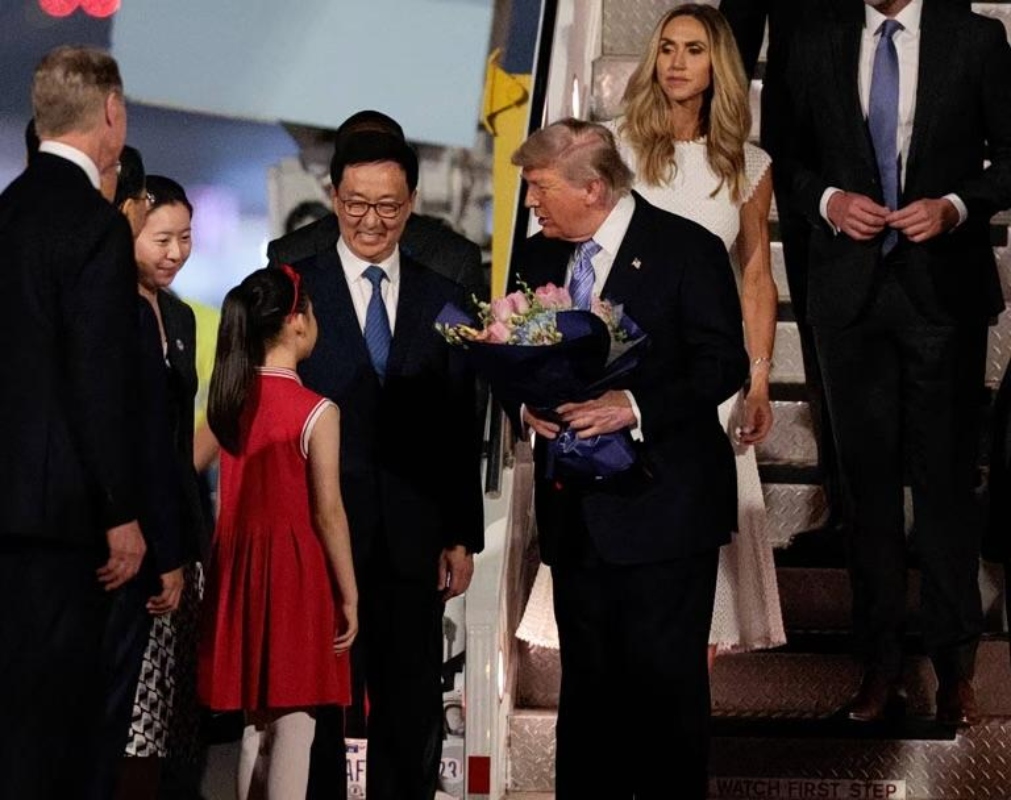
Trump Wants China to Restrain Iran
According to diplomatic sources and regional analysts, Trump is expected to press Xi Jinping to use China’s leverage over Tehran to prevent a broader Gulf escalation, especially any threat to shipping lanes or oil infrastructure in the Persian Gulf.
For Washington, Iran has become a multidimensional strategic problem affecting:
- global energy markets,
- inflation and domestic economic pressure,
- maritime security,
- and broader US military positioning across the Middle East.
The White House reportedly believes Beijing possesses economic leverage over Tehran that no Western power currently enjoys. China remains Iran’s largest oil customer and one of its few remaining major economic lifelines under sanctions pressure.
But Beijing is unlikely to cooperate for free.
Trump-Xi summit live: Talks in Beijing to include Iran, trade and Taiwan https://t.co/Pi0CUZpaOI https://t.co/Pi0CUZpaOI
— Reuters World (@ReutersWorld) May 14, 2026
Chinese negotiators are expected to tie any assistance on the Iran file to broader concessions from Washington — particularly on tariffs, semiconductor restrictions and the future status of Taiwan. In effect, Iran may become part of a much larger geopolitical transaction between the world’s two superpowers.
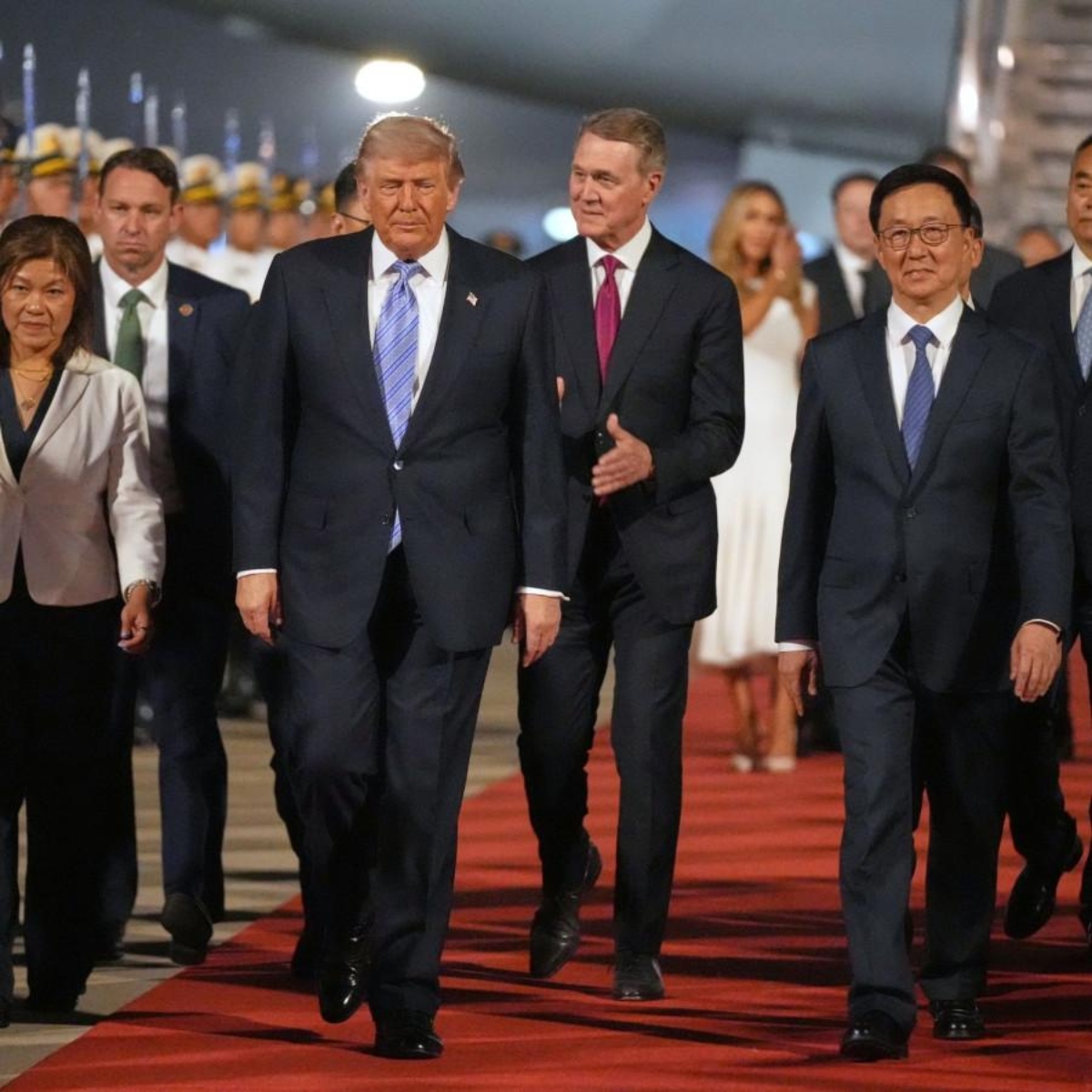
Tehran Fears a “Grand Bargain” Over Its Head
Inside Iran’s political establishment, concern is growing that China could ultimately treat Tehran less as a strategic ally and more as a negotiable asset.
That fear explains why Iranian officials continue to express reservations about relying too heavily on Beijing as a long-term guarantor of security. Despite strong economic ties and military cooperation, China has shown no indication that it is willing to jeopardize its trillion-dollar relationship with the United States for the sake of the Islamic Republic.
This is the core contradiction shaping the current crisis:China wants Iran strong enough to pressure the United States — but not unstable enough to trigger a global energy shock.
That strategic calculation explains Beijing’s careful diplomatic language in recent weeks. Chinese Foreign Minister Wang Yi has repeatedly emphasized support for Iran’s sovereignty while avoiding any suggestion of military commitment or direct confrontation with Washington.
President Trump is in Beijing for talks with President Xi Jinping at a pivotal moment for the global economy, specifically hoping that China can use its influence as Iran’s top oil customer to help end the war on Iran.
🔴 Follow our LIVE coverage: https://t.co/Cz3e56L48Z pic.twitter.com/FG1rCG6X7m
— Al Jazeera English (@AJEnglish) May 14, 2026
A New Global Order Is Emerging
The Trump-Xi summit comes at a moment when the international system is rapidly transforming:
- the United States is trying to contain both China and Iran simultaneously,
- China is expanding its political and economic influence across the Middle East,
- while Iran is attempting to survive through anti-Western strategic partnerships and multipolar diplomacy.
What makes this moment especially dangerous is that all three actors believe time is working against them.
Washington fears losing strategic dominance. Beijing fears economic encirclement. Tehran fears isolation and regime vulnerability.
The result is a volatile triangular contest where diplomacy, trade, military deterrence and energy markets are now deeply interconnected.
Chinese President Xi Jinping hailed “new positioning” of bilateral ties with the US after his summit with President Donald Trump, according to state broadcaster CCTV.
🔴 More on https://t.co/5H0QqpfIYw pic.twitter.com/j4DKmSard8
— Al Jazeera Breaking News (@AJENews) May 14, 2026
The central question remains unresolved:
Will China continue acting as a neutral stabilizer in the Middle East — or will growing confrontation with the United States eventually force Beijing to choose sides?
President Donald Trump has maintained that the US will achieve victory in its war on Iran, whether via diplomacy or military action, while dismissing the necessity of Chinese involvement in reaching a settlement.
🔴 Follow our LIVE coverage: https://t.co/nlpLHc7Ur1 pic.twitter.com/PCmdQdwazD
— Al Jazeera English (@AJEnglish) May 13, 2026
For now, Beijing appears determined to maintain controlled equilibrium: keeping Iran close enough to challenge American influence, but distant enough to avoid being dragged into war.
Safeguarding peace and stability across the Taiwan Strait is the biggest common denominator between China and the United States, Chinese President Xi Jinping said on Thursday when holding talks with US President Donald Trump in Beijing, according to xinhua.
Noting that the… pic.twitter.com/c8cZMj8wfN
— Global Times (@globaltimesnews) May 14, 2026
Source: pagenews.gr
Διαβάστε όλες τις τελευταίες Ειδήσεις από την Ελλάδα και τον Κόσμο