Greece Slows New EU Sanctions on Russia as Dynagas Becomes the Focal Point
Greece has unexpectedly found itself at the center of one of the European Union’s most sensitive geopolitical debates, after reportedly opposing part of the bloc’s proposed 21st sanctions package against Russia.
According to the Financial Times, Athens raised strong objections to new measures targeting the transportation of Russian liquefied natural gas (LNG), arguing that the proposal would disproportionately damage Dynagas, the LNG shipping company owned by Greek shipping magnate George Prokopiou.
The intervention goes beyond the protection of a single company. It highlights a much broader dilemma confronting Europe: how far can sanctions be expanded before they begin undermining Europe’s own strategic industries and global competitiveness?
Dynagas and the Arctic Fleet That Cannot Be Replaced
Unlike conventional LNG carriers, Dynagas operates one of the world’s most specialized fleets.
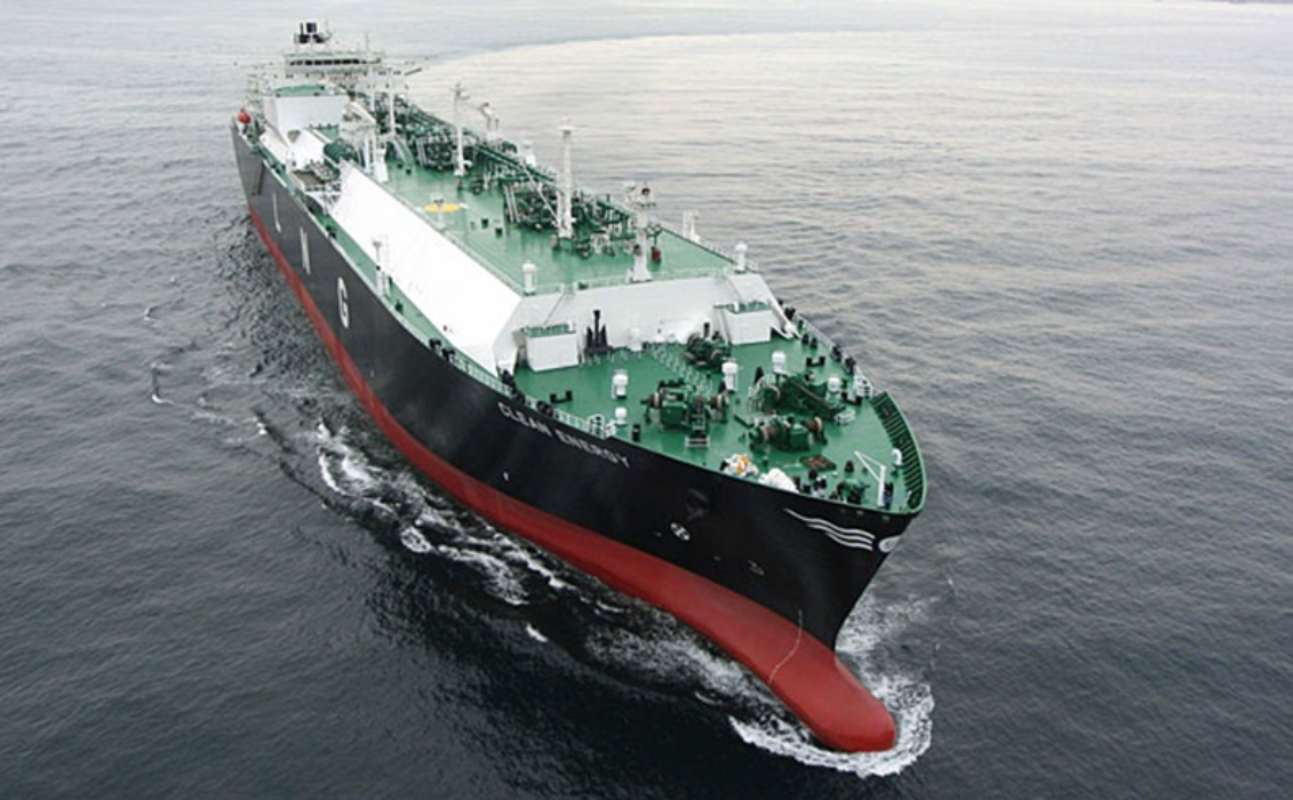
The company owns roughly one-third of the global Arc7 ice-class LNG carrier fleet—vessels specifically designed to navigate the Arctic and transport LNG from Russia’s Yamal LNG project.
Each Arc7 vessel is estimated to cost around $300 million, making them among the most technologically advanced and expensive LNG carriers ever built.
According to diplomats cited by the Financial Times, Greece argued during EU discussions that banning these vessels from transporting Russian LNG would effectively strand a unique fleet with very limited alternative commercial uses, causing severe financial losses.


A Strategic Conflict Within Europe’s Sanctions Policy
The dispute reveals a growing contradiction inside the European Union’s sanctions strategy.
On one hand, Brussels aims to reduce Russia’s energy revenues.
On the other, European shipping companies remain indispensable players in global energy logistics.
As the world’s leading maritime nation, Greece maintains that sanctions must be carefully calibrated to avoid inflicting disproportionate damage on European shipping while pursuing broader geopolitical objectives.
The case underscores an increasingly important reality: sanctions are no longer purely diplomatic tools—they are becoming instruments with direct consequences for Europe’s industrial and maritime competitiveness.
The 21st Sanctions Package Faces Delays
Because EU sanctions require unanimous approval, Greece’s reservations have delayed adoption of the new package.
Beyond LNG shipping restrictions, the proposal includes:
- Additional sanctions on Russian banks;
- Measures targeting cryptocurrency networks;
- New restrictions on companies linked to Russia’s military-industrial complex;
- Adjustments to the price cap mechanism for Russian crude oil.
EU ambassadors ultimately agreed only to extend the current oil price cap mechanism for another week while negotiations continue.
George Prokopiou Moves Into the Geopolitical Spotlight
According to the Financial Times, Dynagas has transported more than 10 million tonnes of Russian LNG during 2025, using 11 Arc7 vessels that completed approximately 144 voyages.


Meanwhile, Prokopiou’s tanker company Dynacom has also remained active in transporting Russian crude oil, generating an estimated $915 million in revenues over the past three years, according to figures cited in the report.
The growing focus on Greek shipping illustrates how commercial maritime operations have become deeply intertwined with Europe’s geopolitical strategy toward Russia.
Europe’s Strategic Dilemma
The Dynagas case illustrates that sanctions policy has entered a far more complex phase.
Today’s decisions affect not only diplomatic pressure on Moscow but also:
- global shipping networks,
- European energy security,
- supply chains,
- and the competitiveness of the EU’s own maritime industry.
Several European diplomats privately acknowledge that every new sanctions package now carries increasingly significant economic costs for member states themselves.
Shipping Has Become a Geopolitical Asset
Behind the disagreement lies a broader transformation in global geopolitics.
Europe seeks to weaken Russia’s energy revenues while simultaneously relying on one of the world’s strongest shipping industries—an industry overwhelmingly dominated by Greek shipowners.
Athens’ intervention demonstrates that sanctions are no longer simply political declarations. They now shape the future of maritime trade, energy security, and Europe’s strategic autonomy.
What initially appeared to be a technical objection over LNG shipping has evolved into one of the most significant obstacles to the EU’s latest sanctions package, underscoring the increasingly central role of maritime power in global geopolitics.