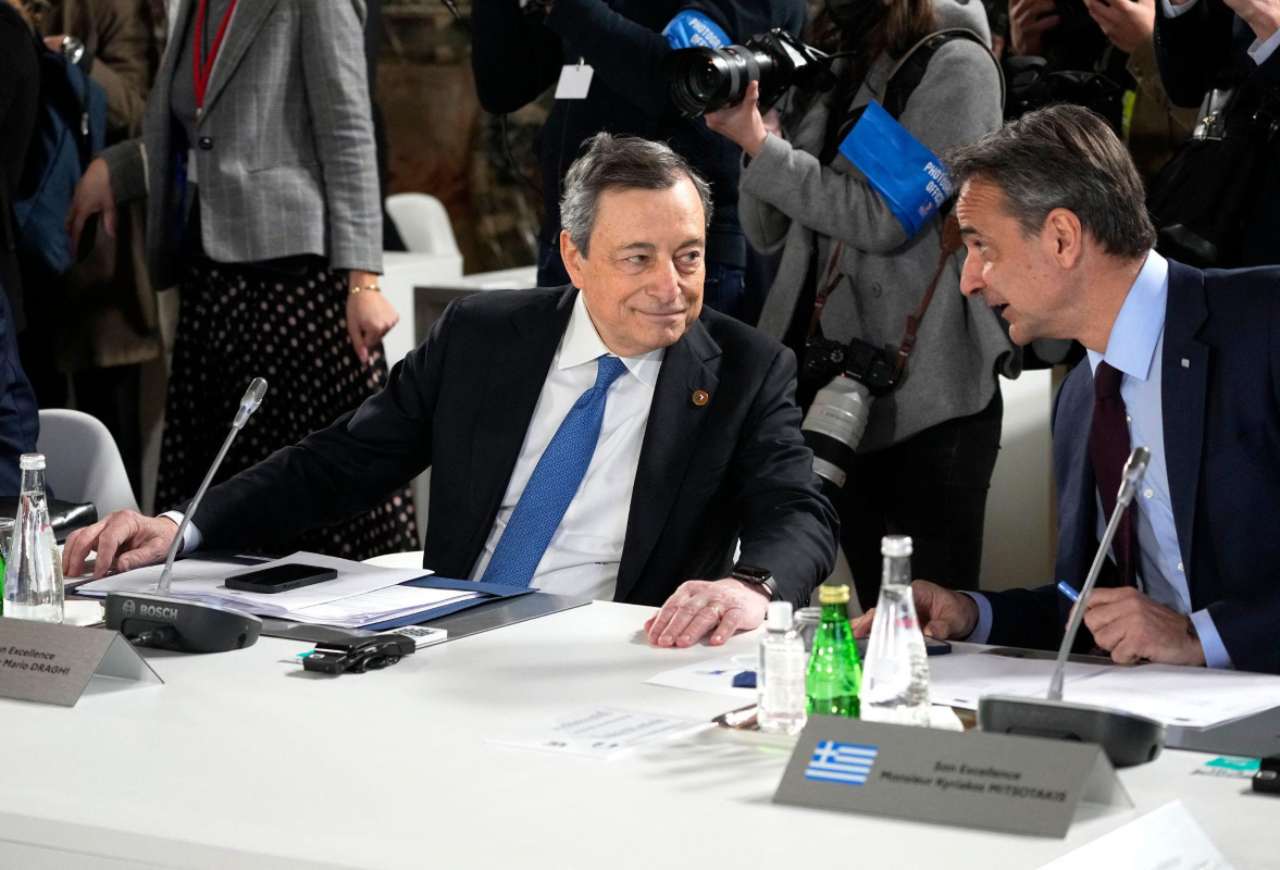
Greece Puts Electricity Market Reform Back on the EU Agenda
The Greek government has launched a renewed effort to reshape Europe’s electricity market, placing energy affordability at the center of the European competitiveness debate.
Prime Minister Kyriakos Mitsotakis argues that Europe’s current electricity pricing model no longer reflects the realities of the green energy transition. Despite record investments in renewable energy, European consumers and industries continue to face electricity prices that remain substantially higher than those in the United States and other major economies.
Athens is now calling for reforms that would allow the low production costs of renewable energy sources (RES) to flow directly into consumer electricity prices.
The Green Energy Paradox
Europe has dramatically expanded renewable electricity generation over the past decade.
Countries such as Greece now generate a significant share of their electricity from solar and wind power, where production costs are among the lowest in the energy sector.
Yet consumers often fail to benefit from these lower costs.
The reason lies in the structure of the European wholesale electricity market.
Under the current marginal pricing (Target Model) system, electricity prices are determined by the last—and usually most expensive—power plant required to meet demand. In most cases, that marginal producer is a natural gas-fired plant.
As a result, even when renewable energy supplies much of the electricity, wholesale prices continue to reflect natural gas costs rather than the much cheaper cost of solar or wind generation.
The Draghi Approach
Mitsotakis’ position closely mirrors the conclusions of Mario Draghi’s landmark report on European competitiveness.
Draghi warned that persistently high energy prices are becoming one of the greatest threats to Europe’s industrial future.
His central argument is straightforward:
Europe’s energy transition cannot be judged solely by expanding renewable generation. It must also deliver lower electricity costs for manufacturers, businesses, and households.
Without affordable energy, Europe risks losing investment, industrial production, and global competitiveness.


What Could Change?
The proposals currently being discussed across Europe do not seek to abolish the existing electricity market.
Instead, they aim to modernize it.
Potential reforms include:
- expanding the use of Contracts for Difference (CfDs);
- increasing long-term Power Purchase Agreements (PPAs);
- accelerating investments in electricity grids and cross-border interconnections;
- strengthening electricity storage systems to reduce dependence on gas-fired generation.
The objective is to allow a larger share of low-cost renewable electricity to be sold through long-term pricing mechanisms rather than volatile spot markets.
Why It Matters for Greece
For Greece, the debate carries particular importance.
The country has become one of Europe’s fastest-growing renewable energy markets, with solar and wind capacity expanding rapidly over recent years.
However, the financial benefits of this transformation are not always visible in consumer electricity bills, particularly during periods of elevated natural gas prices.
The Greek government argues that the success of the energy transition should ultimately be measured not only by installed renewable capacity, but also by whether households and businesses experience lower electricity costs.
Geopolitical Dimension: Energy as a Strategic Asset
Athens’ initiative extends beyond domestic energy policy.
By reopening the discussion on electricity market reform, Greece is positioning itself as an active player in shaping the next phase of Europe’s energy architecture.
Following the EU’s efforts to reduce dependence on Russian energy after the invasion of Ukraine, the next strategic challenge is ensuring that Europe’s clean energy transition also strengthens economic resilience and industrial competitiveness.
Lower electricity prices are increasingly viewed not simply as an economic objective but as a geopolitical necessity in an era of intensifying global competition.
Greece Seeks to Lead Europe’s Next Energy Reform
The Mitsotakis government is attempting to move beyond the first phase of Europe’s energy transition—which focused on energy security, diversification of supply, and rapid renewable deployment—and into a second phase centered on market efficiency and affordability.
Athens is effectively embracing the “Draghi agenda”, arguing that Europe must ensure renewable energy delivers tangible economic benefits.
If the current market design continues to tie electricity prices to expensive natural gas, the EU risks undermining both its industrial competitiveness and public support for the green transition.
By championing electricity market reform, Greece is seeking to position itself not only as a regional energy hub in Southeastern Europe, but also as one of the leading voices advocating for a more competitive, resilient, and consumer-oriented European energy market.
Source: pagenews.gr