Kastoria 365: Kefalogianni’s Plan to Turn the City Into a Four-Season Destination
 ΧΡΟΝΟΣ ΑΝΑΓΝΩΣΗΣ 6 '
Πηγή Φωτογραφίας: eurokinissi//Kastoria 365: Kefalogianni’s Plan to Turn the City Into a Four-Season Destination



Kastoria is seeking to move beyond the model of a short winter-break destination and embrace a far more ambitious strategy: tourism 365 days a year, built around nature, culture, gastronomy, mountain activities and coordinated destination management.
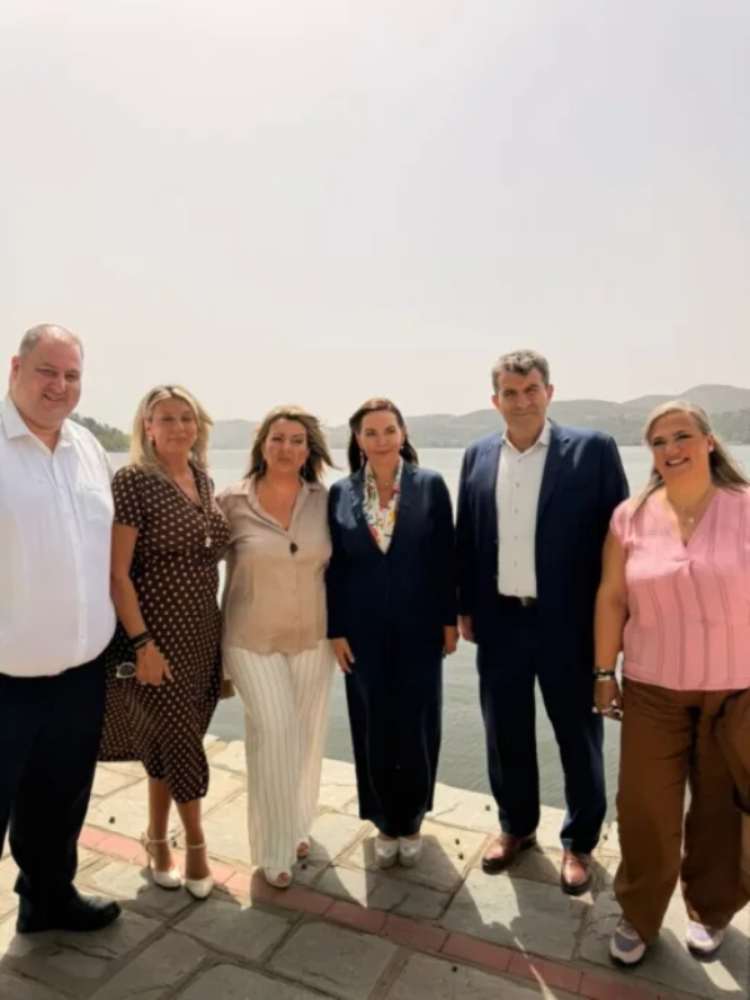
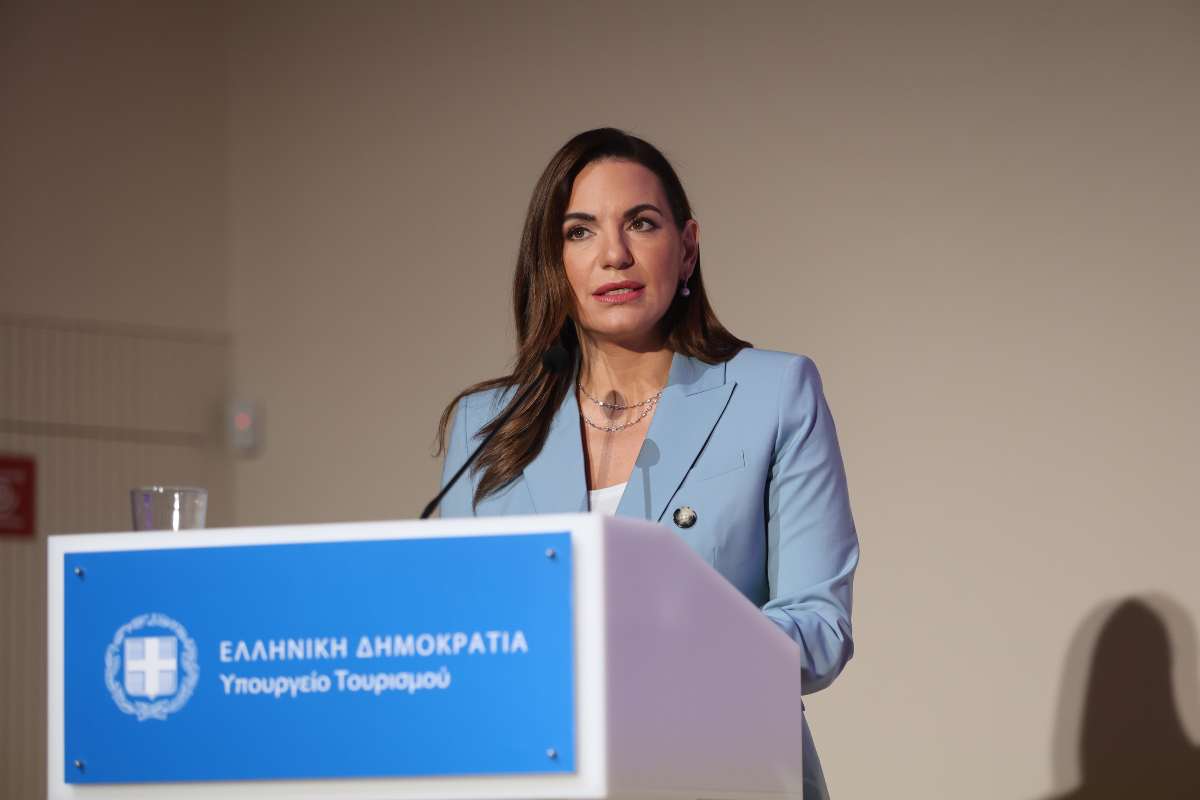
That was the focus of a broad meeting held on Friday, August 28, in the Regional Unit of Kastoria, attended by Tourism Minister Olga Kefalogianni, Deputy Minister Anna Karamanli, local government representatives and business stakeholders.
The significance of the meeting goes beyond the creation of another destination plan.
The real political and economic question is whether a border region facing demographic pressure can use tourism as a permanent pillar of economic activity rather than a seasonal supplement.
That is the challenge now being placed at the center of the government’s tourism strategy for the area.
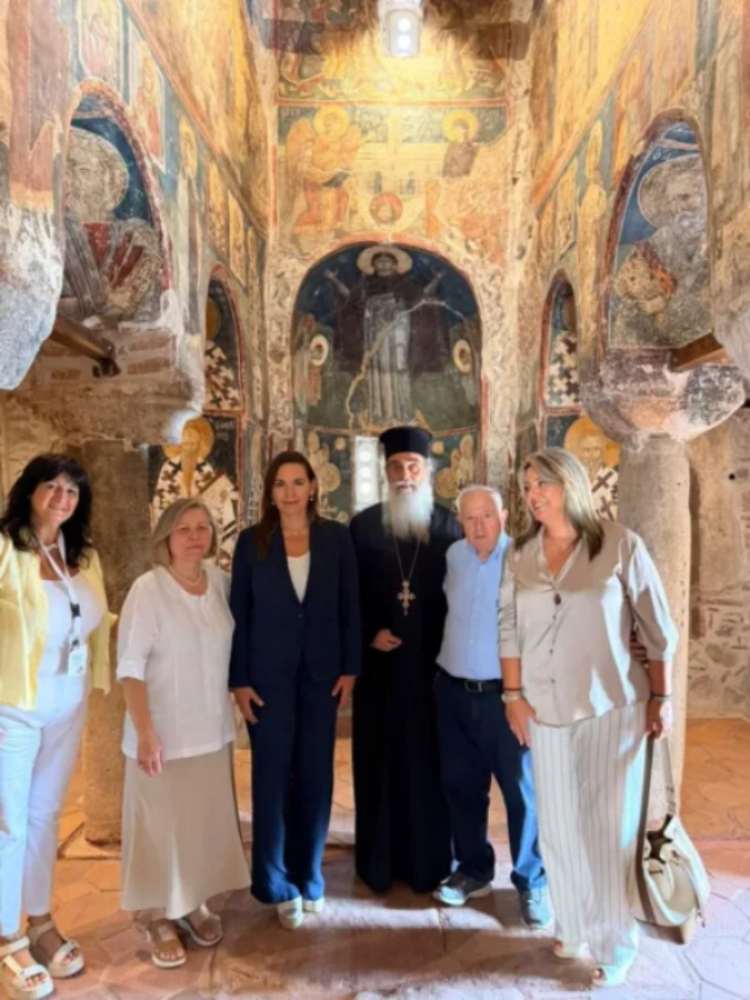
Kefalogianni: Kastoria can become a year-round destination
The Tourism Ministry is seeking to position Kastoria among the Greek destinations that have considerable tourism assets but have not yet fully capitalized on them.
The strategic objective is to develop the region as a four-season destination, increasing both the length of the tourism season and the number of overnight stays.
Kastoria has a particularly rich mix of advantages:
- Lake Kastoria and the city’s distinctive urban landscape
- the mountain ranges of Vitsi and Grammos
- hiking and nature-based activities
- Byzantine and post-Byzantine heritage
- traditional settlements
- local gastronomy
- potential for religious, sports and alternative tourism
The challenge is to stop treating these assets as separate experiences and turn them into one coherent destination product.
The €19.5 million infrastructure package
The most tangible part of the plan concerns infrastructure.
Kastoria Deputy Regional Governor Dimitris Savvopoulos submitted a memorandum outlining the area’s strategic priorities, including two major proposed projects with a combined budget of €19.5 million.
The first is the upgrade of the Vitsi Ski Center, budgeted at around €10 million.
The second is the proposed road connection between Polykerasos and Nymfaio, estimated at €9.5 million.
That road link could have particular tourism value by creating a unified mountain route between two strong destinations in Western Macedonia, helping develop multi-day tourism packages rather than isolated visits.
Kastoria Airport is the difficult but critical bet
No destination strategy can deliver scale without accessibility.
That is why the further development of Kastoria’s “Aristotelis” Airport was also put on the table.
Improved air connectivity could significantly change the market Kastoria is able to target.
Without stronger air links, the city remains heavily dependent on road traffic and relatively nearby visitor markets. With better connections, it could gain access to Athens, European markets and organized tourism packages.
For that reason, airport connectivity was identified by local stakeholders as one of the core strategic priorities.
From a winter weekend to a four-season model
The biggest conceptual shift is the effort to break seasonality.
Kastoria already has strong recognition as a winter and festive-season destination. The new model aims to extend activity throughout the year.
In winter, Vitsi and the mountainous environment can dominate the offer.
In spring and autumn, hiking, nature tourism and cultural tourism can take the lead.
In summer, the lake, outdoor activities, mountain escapes and gastronomy can play a larger role.
That is the logic of 365-day tourism: not simply more visitors over a few peak dates, but more days of economic activity for hotels, restaurants, local producers and small businesses.
DMO and EOT: Kastoria needs a brand, not fragmented promotion
Kastoria is already included in the Greek National Tourism Organisation’s campaign for Mountain Greece and in the planning of a Destination Management Organisation, or DMO.
That matters because modern tourism development is not based on advertising alone.
A DMO is designed to manage the destination as a whole: visitor experience, infrastructure, data, service quality, business coordination and promotion.
Kastoria is also being treated as one of the country’s key mountain destinations within this framework.
The next challenge is to build a clear international identity — not simply as “a beautiful city in northern Greece,” but as a destination with a distinct and marketable profile.
A possible Western Macedonia “Pass”
Another proposal with particular interest is the inclusion of Western Macedonia in a dedicated tourism-support scheme similar to a regional “Pass.”
If adopted, such a program could serve two purposes: stimulate domestic demand during low-occupancy periods and channel spending directly into local businesses.
No such scheme has yet been formally approved. It remains a proposal that would require financial and institutional assessment.
Tourism meets the Just Transition
The visit by Kefalogianni comes at the same time that Prime Minister Kyriakos Mitsotakis is promoting the broader government strategy for Western Macedonia’s transition toward a new productive model.
Tourism can form one part of that transition.
It cannot by itself replace the industrial and energy activity the region has lost. But it can add income, create new small businesses and provide jobs in an economy that needs greater diversification.
Most importantly, tourism can generate economic activity outside the major urban centers.
That gives the issue a broader political dimension: Kastoria’s development is directly linked to efforts to slow population decline and create reasons for younger people to remain in the region.
The real test: More overnight stays, not more meetings
Kastoria does not need to prove that it is beautiful. That is already established.
What it needs is to convert that beauty into a measurable tourism economy.
The next phase should therefore be judged by concrete indicators: longer average stays, more overnight bookings, stronger off-season occupancy, more air arrivals and higher revenues for local businesses.
That is ultimately the real test of the plan.
Source: pagenews.gr
Διαβάστε όλες τις τελευταίες Ειδήσεις από την Ελλάδα και τον Κόσμο