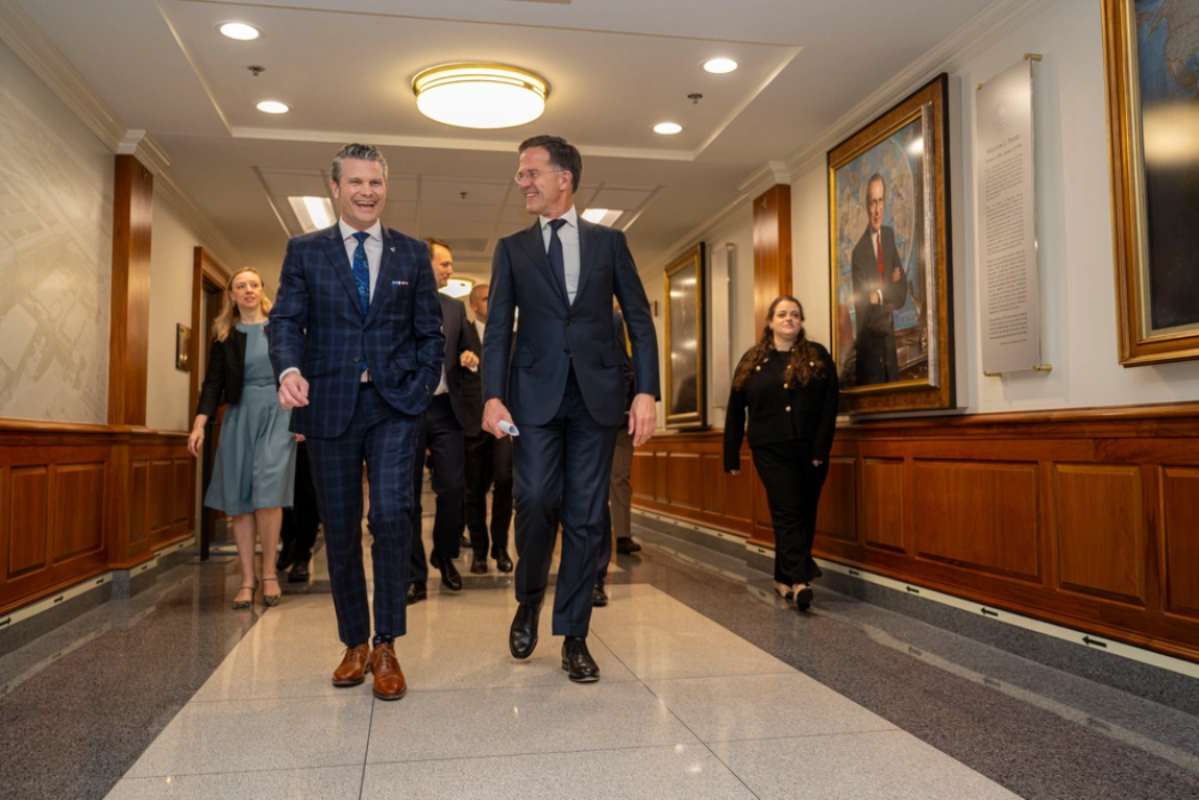
“We have a lot of assets here that are right where we want them. I don’t expect anything big.”
US Ambassador to NATO Matt Whitaker’s remarks reflect a shift emerging in the Trump administration’s planning: troop reductions in Europe are expected to be substantially smaller than allies had feared.
According to Bloomberg reporting citing people familiar with the discussions, European governments now anticipate an overall reduction of approximately 5,000 personnel, compared with earlier concerns that Washington could withdraw as many as 25,000.
No final decision has been announced. The review remains underway, and President Donald Trump retains the final say.
Operational Needs Limit the Scope for Cuts
Two factors appear to be influencing the planning.
The first is increased defence spending by NATO allies, which Washington has viewed favourably.
The second concerns America’s own military requirements. According to the report’s sources, Pentagon leaders recognise how important European forces and infrastructure are to projecting US power into the Middle East.
The Iran war has demonstrated that European bases directly support American operations beyond Europe itself.
Access to facilities, logistical support and permission to fly through allied airspace remain important components of US military planning.
Germany Faces Reductions as the Eastern Flank Gains
Most reductions are expected to focus on Germany, which hosts the largest American military contingent in Europe.
At the same time, the framework under consideration would strengthen NATO’s eastern flank. Countries bordering Russia have offered to cover some of the costs of the American presence.
The review therefore concerns both the overall number of personnel and where they are stationed.
The Pentagon did not respond to a request for comment on Friday.


Recommendations Expected on December 1
Under Secretary of Defense for Policy Elbridge Colby has a central role in the review and is expected to submit a formal report to Defense Secretary Pete Hegseth.
General Alexus Grynkewich, NATO’s supreme allied commander in Europe and head of US European Command, presented possible scenarios for consideration in September.
According to the report, Hegseth is expected to deliver his final recommendations to Trump on December 1.
Until then, the figures remain subject to deliberations and could change.
Congressional Conditions on Falling Below 76,000
America’s military presence in Europe is generally described as approximately 80,000 personnel. An official report recorded roughly 78,000 in US European Command’s area of responsibility at the end of September.
Legislation restricts funding for reductions below 76,000 for longer than 45 days without the required certifications and reporting to Congress.
That threshold is not an unconditional prohibition on withdrawals. It establishes requirements that include assessing the consequences and certifying that the change serves US national security interests.
Related oversight provisions cover relinquishing facilities and withdrawing significant equipment.


Pressure on European Allies Continues
A smaller expected withdrawal does not mean Washington has abandoned its demand that Europeans assume greater responsibility for their defence.
Frustration over burden-sharing predates the current administration and extends beyond the Republican Party.
Democratic control of Congress from January adds another consideration, given lawmakers’ authority over military spending and oversight.
The direction remains towards a reduced American presence. Its scale, however, appears increasingly constrained by operational requirements, alliance commitments and congressional scrutiny.
Source: pagenews.gr