Lagarde Keeps Markets on Edge: Why 2.5% May Not Be the End of the ECB Rate Cycle
 ΧΡΟΝΟΣ ΑΝΑΓΝΩΣΗΣ 6 '
Πηγή Φωτογραφίας: AP Photo//Lagarde Keeps Markets on Edge: Why 2.5% May Not Be the End of the ECB Rate Cycle



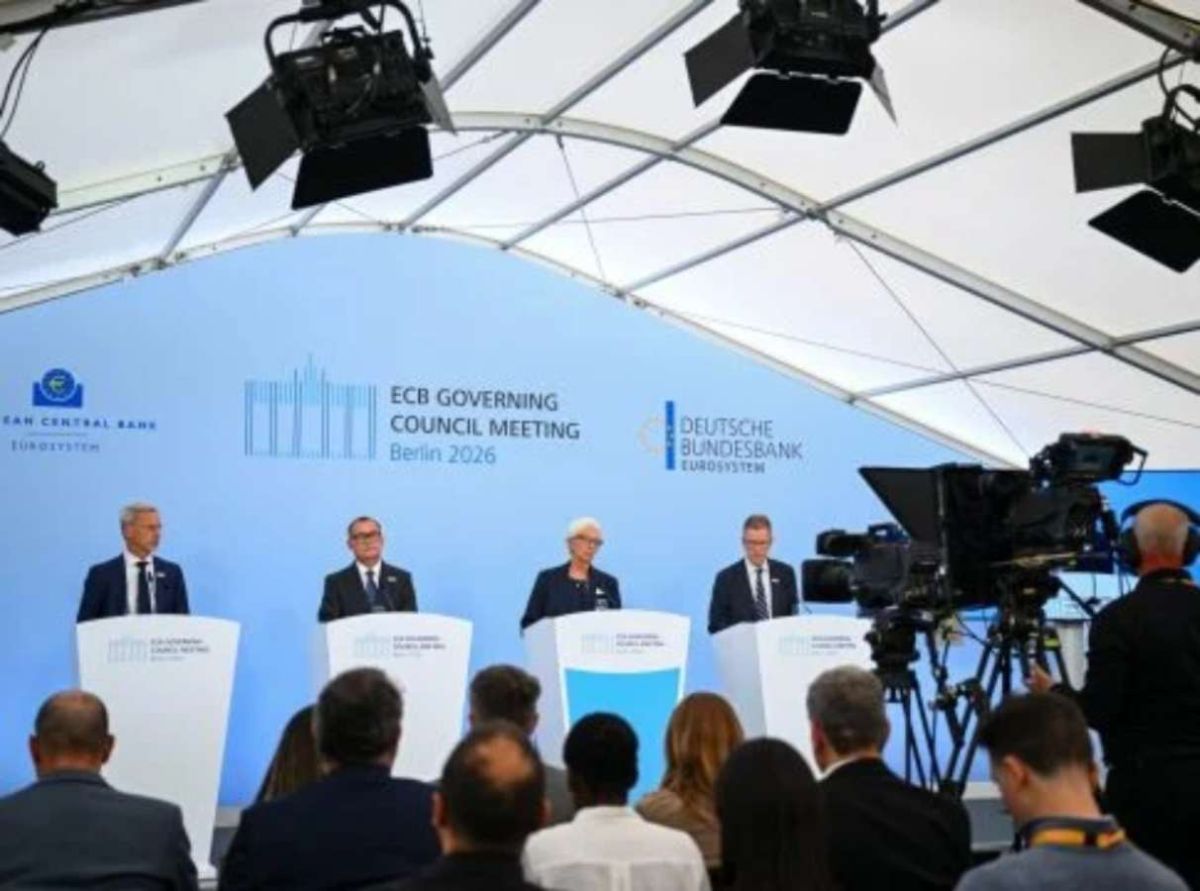
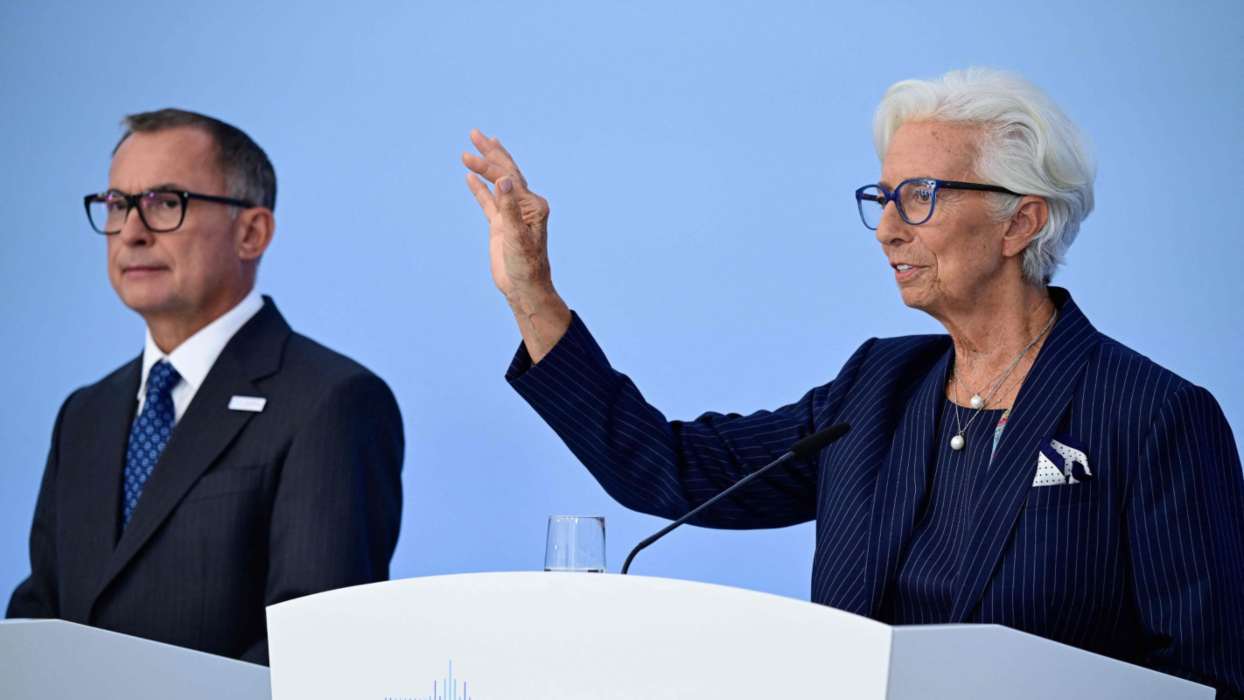
Christine Lagarde did not give markets the one message they were waiting for most: a clear signal that the latest rate increase would also be the last.
Instead, the European Central Bank opted for controlled ambiguity.
The ECB raised its three key interest rates by 25 basis points, taking the deposit facility rate to 2.50%, the main refinancing operations rate to 2.65% and the marginal lending facility rate to 2.90%.
But the real message was more important than the hike itself: the ECB is not committing to stopping here.
Lagarde’s Psychological Game With Markets
Frankfurt is now operating on two levels.
The first is the policy rate itself.
The second is expectations.
As long as Lagarde refuses to rule out another increase, markets are forced to price in tighter financial conditions, higher bond yields and a greater degree of caution around inflation.
In other words, the ECB is trying to make communication do part of the tightening before another rate hike becomes necessary.
“We are not pre-committing to a particular rate path,” remains the ECB’s key line, with decisions still framed as data-dependent and meeting-by-meeting.
That uncertainty is exactly what keeps markets on edge.
Iran and the Energy Shock Are Rewriting the ECB Outlook
The biggest change is energy.
The ECB is increasingly treating the shock from the conflict in the Middle East as a potentially persistent inflationary force rather than a temporary spike in prices.
That distinction matters.
The risk is no longer just that energy becomes more expensive.
The deeper concern is that higher energy costs begin feeding into wages, services, food prices and corporate pricing decisions, turning an external shock into a more entrenched inflation problem.
The latest projections point to:
- headline inflation at 3.0% in 2026,
- 2.5% in 2027,
- 2.1% in 2028,
- core inflation at 2.5% in 2026,
- 2.6% in 2027,
- and still 2.3% in 2028.
The message is clear: inflation is expected to remain uncomfortably close to, or above, the ECB’s target for longer than markets had hoped.
The Hawks Have Regained the Upper Hand
The tone coming from the Governing Council is clearly more hawkish.
Earlier in the summer, the ECB could still afford to wait and assess how much of the energy shock would prove temporary.
That luxury has diminished.
By choosing another rate increase, Frankfurt is signalling that the risk of inflation becoming embedded is now considered more dangerous than the risk of a modest additional hit to growth.
And there is another reason the ECB can afford to stay tough.
The Economy Is Proving More Resilient Than Expected
The euro-area economy has held up better than feared.
Growth remains weak, but it has been strong enough to reduce the immediate recession risk from another rate increase.
That gives the ECB more room to prioritise inflation control.
The underlying logic is straightforward: if the economy were already close to recession, the case for further tightening would be weaker.
But as long as activity remains relatively resilient, the ECB can keep monetary conditions restrictive for longer.
Four Messages Markets Are Reading
The new ECB stance sends four signals:
- The tightening cycle may not be over.
- Rates are likely to stay high for longer.
- Balance-sheet reduction through APP and PEPP continues to tighten financial conditions.
- The ECB remains ready to use the Transmission Protection Instrument if sovereign spreads widen in a disorderly way.
The last point is especially important for highly indebted euro-area countries.
The ECB is effectively saying it can remain hawkish on interest rates while still preventing fragmentation in sovereign bond markets.
Why Lagarde Refuses to Say “This Is the Peak”
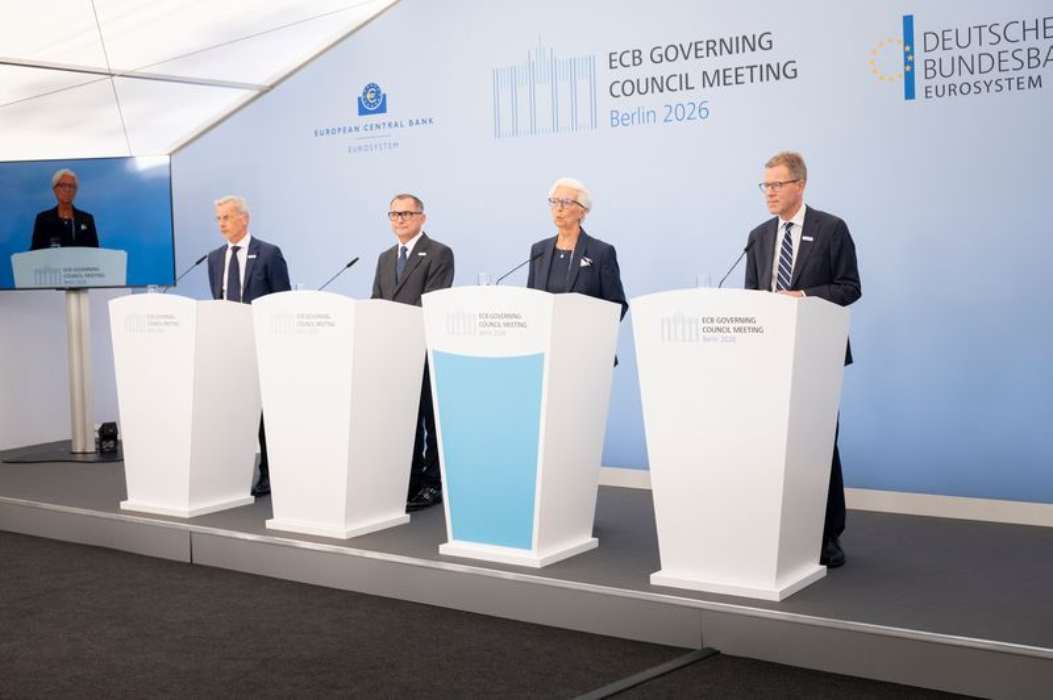
If the ECB explicitly declared that 2.5% was the top of the cycle, markets would immediately begin pricing earlier rate cuts.
That could trigger:
- lower bond yields,
- looser financial conditions,
- renewed pressure on the euro,
- and weaker transmission of the ECB’s anti-inflation stance.
So uncertainty itself becomes part of the policy toolkit.
Lagarde wants markets to believe another increase remains possible, even if the ECB ultimately never delivers it.
What It Means for the Euro, Bonds and Banks
For the euro, a more hawkish ECB provides support in an environment where the Federal Reserve and the Bank of England may follow different monetary paths.
For bonds, the “higher for longer” message means yields can remain elevated for an extended period.
For banks, the picture is more complex.
Higher rates can support net interest margins, but they also increase funding costs and intensify pressure on households and businesses.
And for investors more broadly, the key takeaway is that a fast return to cheap money is moving further away.
The Base Case: 2.5% for Longer, With One More Hike Still on the Table
The most likely scenario is not an aggressive sequence of further increases.
It is a prolonged period of restrictive rates, with one additional hike left as an option if the energy shock spills more clearly into core inflation.
If energy prices ease and wage pressures remain contained, 2.5% could prove to be the peak.
But if Middle East tensions continue to feed inflation and second-round effects strengthen, the ECB has made clear that it is prepared to move again.
That is the essence of Lagarde’s strategy:
make markets fear the next rate hike, so the ECB may not actually need to deliver it.
Source: pagenews.gr
Διαβάστε όλες τις τελευταίες Ειδήσεις από την Ελλάδα και τον Κόσμο